Exploring How to Automate Repetitive Tasks and Free Up Your Time reveals a transformative approach to enhancing efficiency in both personal and professional spheres. Automation serves as a powerful tool that allows individuals to streamline their daily operations, reducing the burden of mundane tasks that often consume valuable hours.
Whether it’s through the utilization of advanced software or leveraging simple applications, the potential for automation spans a wide array of repetitive activities. This not only increases productivity but also fosters a more balanced lifestyle, allowing individuals to focus on what truly matters.
Understanding Automation
Automation refers to the use of technology to perform tasks with minimal human intervention. This concept has become increasingly significant in our daily lives as it allows individuals and organizations to streamline operations, reduce the likelihood of human error, and enhance efficiency. By leveraging automation, tasks that are repetitive and time-consuming can be executed with speed and precision, ultimately freeing up valuable time for more strategic activities.Repetitive tasks that can be automated encompass a wide range of activities found in both personal and professional settings.
Common examples include data entry, email responses, appointment scheduling, social media posting, and invoice generation. These tasks, while essential, often consume a substantial portion of our time and can be tedious when performed manually.
Benefits of Automating Tasks
The advantages of automating repetitive tasks are numerous and can significantly enhance productivity levels in both personal and professional domains. Automation not only saves time but also improves the consistency and quality of the output. The following points illustrate the key benefits of task automation:
-
Increased Efficiency:
Automation allows for tasks to be completed faster, as machines can perform repetitive functions continuously without fatigue.
-
Reduced Human Error:
Automated processes minimize the risk of mistakes associated with manual data entry or complex calculations, ensuring higher accuracy in outcomes.
-
Cost Savings:
By reducing the time spent on repetitive tasks, organizations can lower operational costs and allocate resources to more critical areas.
-
Enhanced Focus:
Automation frees up time for individuals to focus on strategic decision-making and creative problem-solving, leading to better job satisfaction and outcomes.
-
Scalability:
Automated systems can easily adapt to increasing workloads without requiring proportional increases in manpower, making it simpler to scale operations.
In adopting automation solutions, practitioners are more likely to realize gains in both personal productivity and organizational performance. For example, small businesses often utilize automated billing software, which not only expedites the invoicing process but also ensures timely payments, thus improving cash flow management. In summary, the integration of automation into daily operations represents a forward-thinking approach that aligns with the demands of contemporary life and work.
Tools for Automation
Automation tools are designed to enhance productivity by eliminating repetitive tasks, enabling users to focus on more strategic activities. With a plethora of options available, selecting the right tool is crucial for optimizing workflow. This section explores several popular software options, compares their features based on user feedback, and highlights the top five automation tools along with their primary use cases.
Popular Software and Tools for Automation
There are numerous automation tools that cater to different needs and industries. Below is a comparison of some widely recognized automation tools, based on user reviews and key features:
| Tool Name | Primary Features | User Rating |
|---|---|---|
| Zapier | Connects apps and automates workflows; supports thousands of integrations | 4.7/5 |
| Automate.io | Facilitates multi-step workflows; user-friendly interface | 4.6/5 |
| Integromat (Make) | Advanced workflow automation; visual interface for complex tasks | 4.5/5 |
| Microsoft Power Automate | Integrates seamlessly with Microsoft products; strong for enterprise use | 4.4/5 |
| IFTTT | Simple applets for personal automation; ideal for smart home devices | 4.3/5 |
Top Five Automation Tools and Their Use Cases
Considering the diverse functionalities of automation tools, the following list highlights the top five tools and their specific applications that can benefit various users:
- Zapier: Best for small to medium businesses looking to integrate multiple applications and automate workflows across different platforms.
- Automate.io: Ideal for marketing teams to automate lead management and social media posting.
- Integromat (Make): Suitable for businesses needing complex automation involving data manipulation and multiple conditional workflows.
- Microsoft Power Automate: Perfect for organizations already using Microsoft services, enabling streamlined processes and data flow across applications.
- IFTTT: Great for personal automation tasks, particularly in managing smart home devices or connecting personal apps.
Implementing Automation in Daily Life
In today’s fast-paced world, implementing automation in daily life can significantly enhance productivity and free up valuable time. By utilizing automation tools, individuals can streamline repetitive tasks and focus on more meaningful activities. This section provides a comprehensive guide on how to effectively integrate automation into your daily routine.
Step-by-Step Guide for Setting Up Automation
To automate common tasks, one must follow a systematic approach to ensure efficiency and effectiveness. The following steps Artikel how to successfully implement automation in daily activities:
- Identify Repetitive Tasks: Begin by listing out tasks that are performed regularly. These could range from managing emails to scheduling social media posts.
- Select Automation Tools: Choose suitable automation tools based on the tasks identified. Popular tools include Zapier for connecting apps, IFTTT for simple automations, and Trello for project management.
- Set Up Automation Workflows: Create workflows within your chosen tools. For example, set up a workflow that automatically saves email attachments to a cloud storage service.
- Test the Automation: Run tests to ensure that the automation works as intended. Make adjustments as necessary to optimize the process.
- Monitor and Adjust: Once implemented, continuously monitor the automation’s performance and make any adjustments to improve efficiency.
Checklist for Identifying Tasks Suitable for Automation
Assessing tasks for automation requires a structured checklist that helps determine which tasks can be automated effectively. Below is a checklist to guide this evaluation:
- Is the task repetitive and time-consuming?
- Can the task be clearly defined with specific parameters?
- Does the task require minimal human intervention?
- Is the task performed regularly (daily, weekly, or monthly)?
- Are there existing tools or software that can facilitate automation?
Integrating Automation Tools into Existing Workflows
Integrating automation tools into current workflows is crucial for maximizing their benefits. The following methods can be employed to ensure a seamless integration:
- Analyze Current Workflows: Evaluate existing workflows to identify areas where automation can be introduced without disrupting processes.
- Provide Training: Ensure that all team members are trained on the new tools. This can involve workshops, tutorials, or providing user guides.
- Start with Small Automations: Begin by automating minor tasks to build confidence and familiarity with the tools before tackling more complex processes.
- Solicit Feedback: Encourage users to provide feedback on the automation tools to identify any issues or areas for improvement.
- Iterate and Improve: Regularly revisit and refine the automation processes based on user experiences and emerging needs.
“Automation is not an option; it is a necessity in today’s work environment.”
By following these guidelines, individuals and organizations can successfully implement automation into their daily lives, significantly enhancing productivity and efficiency.
Time Management Strategies
The integration of automated processes into daily routines significantly enhances time management capabilities. By minimizing the time spent on repetitive tasks, individuals can redirect their attention toward more strategic initiatives, ultimately improving productivity and work-life harmony. Effective time management strategies not only improve how time is utilized but also contribute to personal satisfaction and goal achievement.
Impact of Automation on Time Management
Automating tasks allows for a more streamlined approach to managing time. This reduction in manual efforts leads to increased efficiency and frees up valuable hours. With automation, individuals can focus on high-priority tasks that require creativity and critical thinking, rather than getting bogged down by mundane activities. The following points illustrate how automation enhances time management:
-
Increased Efficiency:
Automation reduces the time needed to complete repetitive tasks, such as data entry or scheduling, enabling individuals to accomplish more in less time.
-
Enhanced Focus:
By delegating routine tasks to automation tools, individuals can concentrate on strategic decision-making and problem-solving activities that require deeper engagement.
-
Improved Organization:
Automated reminders and scheduling tools help individuals keep track of deadlines and appointments, reducing the likelihood of missed commitments.
Prioritizing Tasks Before Automation
Prioritizing tasks is crucial before implementing automation, as it ensures that the most important activities are addressed first. A systematic approach to prioritization can significantly enhance the effectiveness of automation strategies. Here are some techniques to consider:
-
The Eisenhower Matrix:
This method categorizes tasks into four quadrants based on their urgency and importance, allowing individuals to focus on what truly matters.
-
ABC Method:
Assigning A, B, or C labels to tasks based on their priority can help in distinguishing between high, medium, and low-priority items.
-
SMART Goals:
Setting Specific, Measurable, Achievable, Relevant, and Time-bound goals can clarify which tasks warrant automation and ensure alignment with overall objectives.
Maintaining Work-Life Balance
Once repetitive tasks are automated, maintaining a healthy work-life balance becomes more achievable. The extra time gained from streamlined processes can be utilized to improve personal well-being and relationships. To sustain this balance, consider the following tips:
-
Establish Boundaries:
Clearly define work hours and personal time to prevent work from encroaching on personal life. Automation can help manage tasks within designated hours.
-
Engage in Leisure Activities:
Utilize the time saved from automated tasks to participate in hobbies, exercise, or social activities that enhance overall quality of life.
-
Regular Reflection:
Periodically assess time allocation to ensure that both professional and personal priorities are being met, adjusting automation strategies as necessary.
Overcoming Challenges in Automation

The journey towards automating repetitive tasks is often fraught with obstacles. Recognizing these challenges and developing strategies to address them is fundamental to successful implementation. Automation can be a powerful tool for efficiency, yet the initial stages may reveal complexities that can be daunting for many individuals and organizations. Understanding potential pitfalls allows users to navigate the automation landscape more effectively.
Common Obstacles in Automation
Several obstacles can impede the effective automation of tasks. Identifying these issues early can significantly enhance the likelihood of successful automation. Below are some prevalent challenges:
- Resistance to Change: Individuals may be hesitant to adopt new technologies due to fear of the unknown or concerns about job security.
- Technical Complexity: The intricacies of automation tools can overwhelm users, particularly those with limited technical backgrounds.
- Integration Issues: Existing systems and tools may not be compatible with new automation solutions, leading to functionality gaps.
- Cost Constraints: Initial investments in automation tools can deter organizations, particularly small businesses with limited budgets.
- Lack of Training: Inadequate knowledge or training on automation tools can result in underutilization or incorrect application.
Strategies for Troubleshooting Automation Issues
Effective troubleshooting is crucial when automation processes do not perform as intended. Users can employ several strategies to identify and resolve issues efficiently:
- Systematic Testing: Regularly test automated processes to pinpoint errors or inefficiencies, allowing for timely corrections.
- Documentation: Maintain clear documentation of automation processes to facilitate troubleshooting and serve as a knowledge base for future reference.
- Feedback Loops: Implement mechanisms to gather feedback from users interacting with automated systems, which can highlight problems and areas for improvement.
- Collaboration: Encourage collaboration among team members to share experiences and solutions related to automation challenges.
Importance of Ongoing Evaluation and Adjustment
Automation is not a one-time effort; it requires continuous evaluation and refinement to maintain effectiveness. Regular assessment of automated systems can yield insights that drive improvements. Organizations should establish routine reviews of their automation tools to ensure they align with evolving business goals and technological advancements.
“Continuous improvement in automation processes not only enhances efficiency but also adapts to changing environments and user needs.”
Adjustments may include updating software, retraining staff, or revisiting workflows to better leverage automation capabilities. By committing to ongoing evaluation, users can ensure that their automated systems remain relevant and effective, ultimately maximizing the benefits of automation in their daily lives.
Future of Automation

The future of automation is rapidly evolving, driven by advancements in technology and shifting workforce dynamics. As society increasingly embraces digital transformation, understanding emerging trends in task automation becomes essential. This evolution is not only reshaping industries but also redefining how we perceive work and efficiency.
Emerging Trends in Task Automation Technology
The landscape of task automation technology is witnessing significant innovations. Key trends include the integration of machine learning, robotic process automation (RPA), and advanced analytics. These technologies are streamlining operations and enhancing decision-making processes across various sectors.
For instance, machine learning algorithms are now capable of analyzing vast amounts of data to predict outcomes and automate responses, making businesses more agile and responsive. RPA has gained traction in sectors like finance and healthcare, where repetitive tasks can be automated, allowing employees to focus on strategic initiatives. Additionally, the rise of low-code/no-code platforms is democratizing automation, enabling non-technical users to create their own automated solutions without extensive programming knowledge.
Impact of Artificial Intelligence on Automation
The influence of artificial intelligence (AI) on automation is profound and multifaceted. AI technologies are enhancing automation by providing systems with the ability to learn from experience, adapt to new inputs, and perform tasks previously thought to require human intelligence.
In industries such as manufacturing, AI-powered robots are not only executing repetitive tasks but also optimizing production lines through real-time data analysis. In customer service, AI-driven chatbots are handling inquiries with increasing sophistication, reducing wait times and improving customer satisfaction. The integration of AI into automation systems is expected to lead to greater efficiency and productivity, while also raising questions about workforce displacement.
Predictions for the Evolution of Automation and Workforce Implications
The trajectory of automation is likely to bring significant changes to the labor market. Some predictions highlight a growing need for workers to develop skills complementary to automated systems, fostering a shift toward more strategic and creative roles.
Research indicates that by 2030, as many as 375 million workers globally may need to switch occupational categories due to automation. This transformation necessitates a robust focus on reskilling and upskilling initiatives to prepare the workforce for new roles that machines cannot easily replicate. Industries might witness a hybrid workforce model where humans and machines work collaboratively, enhancing overall productivity.
As automation continues to advance, organizations that prioritize adaptability and continuous learning will be better positioned to thrive in this changing landscape. Embracing this evolution will not only enhance operational efficiency but also empower workers to leverage technology in ways that augment their capabilities, leading to a more innovative and competitive future.
Case Studies

Real-life examples of individuals and businesses successfully automating tasks illustrate the profound impact of automation on productivity and efficiency. These cases not only demonstrate the versatility of automation tools but also provide insights into the measurable outcomes achieved through their implementation.Automation has transformed various sectors, including healthcare, finance, and retail, leading to significant improvements in operational efficiency and time management.
The following case studies highlight specific instances where automation has been effectively integrated, showcasing both the processes involved and the benefits realized.
Business Automation in E-commerce
One notable case is that of an e-commerce firm that adopted automation tools to streamline its order processing system. Previously, the company handled orders manually, which resulted in delays, errors, and customer dissatisfaction. By implementing an automated system, they managed to reduce processing time significantly.The table below summarizes the before-and-after results of this automation implementation:
| Aspect | Before Automation | After Automation |
|---|---|---|
| Order Processing Time | 24 hours | 1 hour |
| Human Errors in Orders | 10% | 1% |
| Customer Satisfaction Rating | 75% | 95% |
This case illustrates how automation not only expedited processes but also enhanced customer satisfaction, proving the effectiveness of technological integration in operational frameworks.
Personal Automation in Freelancing
A freelance graphic designer serves as a compelling example of personal automation leading to enhanced productivity. Initially, the designer spent hours managing client communications and project timelines. By utilizing automation tools for invoicing and scheduling, significant time savings were achieved.The measurable outcomes are detailed in the following table:
| Aspect | Before Automation | After Automation |
|---|---|---|
| Time Spent on Admin Tasks | 15 hours/week | 3 hours/week |
| Number of Projects Completed | 5/month | 10/month |
| Client Response Time | 48 hours | 2 hours |
This example demonstrates that even individual professionals can harness automation to free up valuable time, allowing for a greater focus on creative endeavors and client engagement.
Healthcare Automation for Patient Management
Another impactful case is seen in the healthcare sector, where a clinic implemented an automated patient management system to improve scheduling and record-keeping. Prior to automation, the clinic faced challenges with appointment overbooking and patient record inaccuracies.The outcomes following automation are presented in the table below:
| Aspect | Before Automation | After Automation |
|---|---|---|
| Appointment Errors | 15% of appointments | 1% of appointments |
| Patient Wait Time | 30 minutes | 10 minutes |
| Staff Time Spent on Scheduling | 20 hours/week | 5 hours/week |
This case emphasizes the critical role of automation in enhancing patient care while simultaneously reducing administrative burdens on healthcare staff.These case studies reflect the various ways in which automation can be applied across different sectors, providing compelling evidence of its benefits in streamlining operations, improving productivity, and enhancing overall satisfaction for both businesses and individuals.
Resources for Further Learning
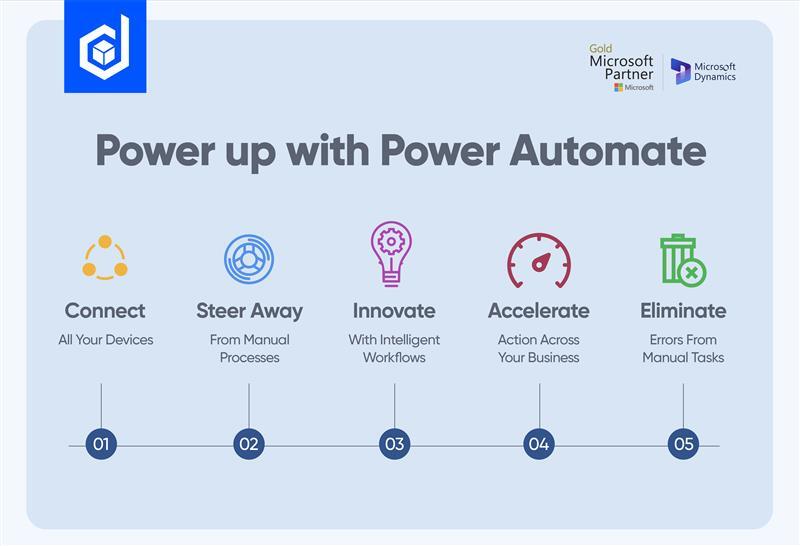
As automation becomes an increasingly vital aspect of both personal and professional life, gaining deeper insights into its various facets can greatly enhance one’s ability to implement effective solutions. The following resources encompass a wide range of materials, from books and articles to online courses, that cater to anyone looking to expand their knowledge and skills in automation.
Books and Articles on Automation
A solid foundation in automation concepts can be established through a selection of well-regarded books and articles. These resources offer valuable theories as well as practical applications of automation technologies.
- The Phoenix Project: A Novel About IT, DevOps, and Helping Your Business Win by Gene Kim, Kevin Behr, and George Spafford – This book presents automation in the context of IT and DevOps, illustrating its importance through storytelling.
- Automate This: How Algorithms Came to Rule Our World by Christopher Steiner – This book explores how automation and algorithms impact various industries and daily life.
- Robot-Proof: Higher Education in the Age of Artificial Intelligence by Joseph E. Aoun – A discussion on the future of work and how education can adapt to automation challenges.
- Articles on Automation from Harvard Business Review
-A collection of insightful articles discussing the strategic implications of automation in business.
Online Courses on Automation
Engaging with structured learning environments can greatly enhance understanding. Several online platforms offer courses that delve into the principles and practicalities of automation.
- Coursera – Robotic Process Automation (RPA) Specialization
-A comprehensive course focused on RPA techniques to streamline business processes. - Udacity – Introduction to Robotics
-This course introduces the basics of robotics and automation technology. - LinkedIn Learning – Learning Automation Testing
-A course that emphasizes automated testing methodologies to improve software development. - edX – Data Science and Automation
-This course merges data science principles with automation practices in various fields.
Forums and Communities for Automation Discussions
Participating in forums and community discussions can provide real-time insights and support. Engaging with others who share similar interests fosters a collaborative learning environment.
- Reddit – r/automation
-A community where users share automation projects, tools, and ideas. - Stack Overflow
-A platform for technical discussions that often includes automation solutions and troubleshooting assistance. - Automation.com
-An online community focused on the automation industry, offering forums for discussion and knowledge sharing. - LinkedIn Groups – Automation Professionals
-A networking group for professionals interested in automation technologies and strategies.
Blogs Covering Automation Topics
Regularly reading blogs dedicated to automation can provide ongoing education and inspiration. These platforms frequently cover tips, trends, and innovations in the field.
- Automation World
-A blog that discusses trends, technologies, and strategies within the industrial automation sector. - The Automation Blog
-A comprehensive source for tutorials, tips, and automation project insights. - RPA & AI Insights
-A blog focusing on Robotic Process Automation and artificial intelligence innovations. - TechCrunch – Robotics Section
-This segment of TechCrunch covers the latest news and advancements in robotics and automation technologies.
End of Discussion
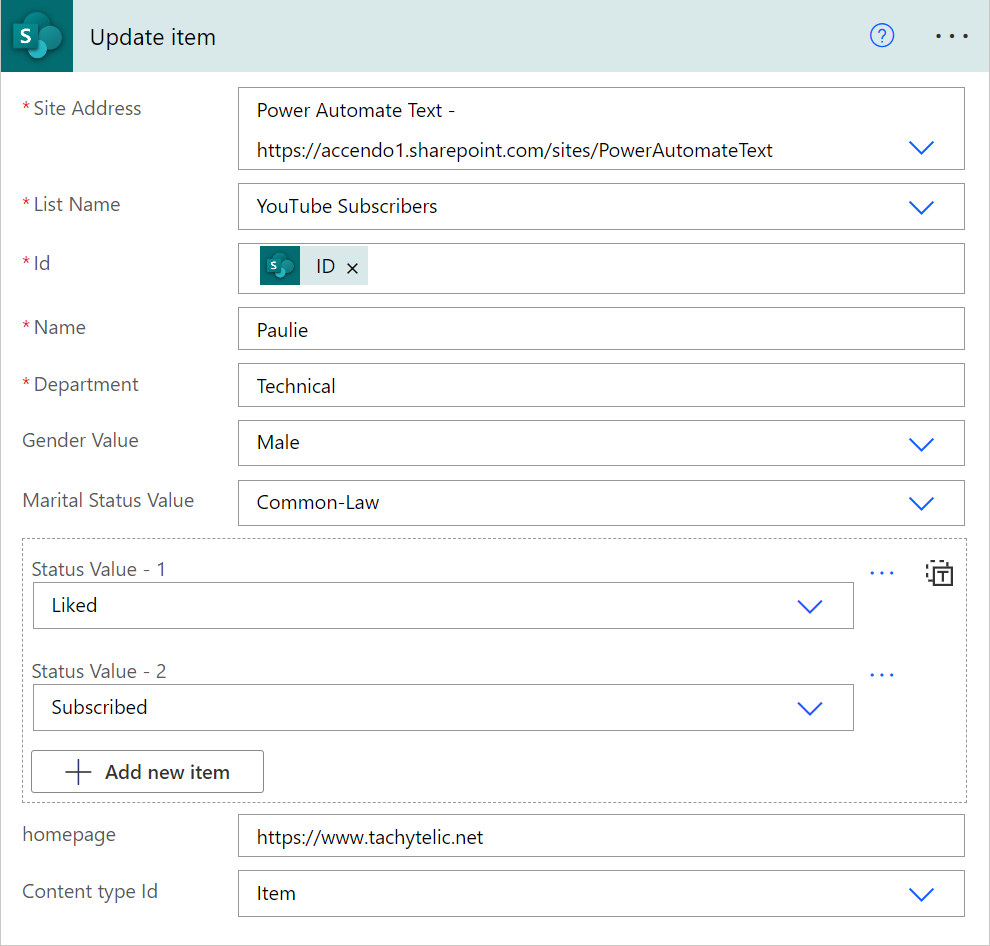
In conclusion, embracing automation presents an invaluable opportunity to reclaim one’s time and enhance overall productivity. By understanding the various tools and strategies available, individuals can pave the way for more efficient task management, leading to both personal satisfaction and professional success.