The process of managing large projects can often feel daunting, filled with complexities that can overwhelm even the most seasoned professionals. Understanding what constitutes a large project, along with the challenges it presents, is crucial for effective management. By breaking down these large endeavors into manageable steps, we can enhance productivity and focus, paving the way for smoother workflows and successful outcomes.
This guide will delve into the benefits of segmenting projects, explore practical methods for task identification and prioritization, and discuss how to create timelines and adapt plans. With the right approach, large projects can become not just feasible but also enjoyable to tackle.
Understanding Large Projects
Large projects are often defined as those that encompass extensive scope, resources, time, and complexity. They typically involve multiple stakeholders, require intricate coordination, and demand a comprehensive approach to management. The essence of a large project lies in its ambitious goals, which can span various domains, such as construction, technology implementation, or product development. The intricacies involved in such undertakings can lead to significant challenges that, if not addressed, may hinder progress and overall success.The complexities of large projects often arise from a multitude of factors, including the breadth of tasks, the number of people involved, and the interdependencies between different project components.
For instance, in a construction project, delays in one phase can impact subsequent phases, leading to a cascading effect of setbacks. Furthermore, large projects may involve diverse teams with varying skill sets and objectives, making communication and collaboration pivotal to project success.
Common Challenges in Large Projects
Managing large projects entails navigating several common challenges that can impede progress and threaten outcomes. Recognizing these challenges is crucial for effective project management. Below are some of the prevalent issues faced during large project execution:
- Scope Creep: This refers to the gradual expansion of project scope beyond the original objectives. It often results from insufficient project definition and can lead to resource strain and delays.
- Communication Breakdowns: Ineffective communication among team members and stakeholders can lead to misunderstandings, misalignment, and ultimately project failure.
- Resource Allocation: Large projects often require significant resources, including manpower and finances. Mismanagement of these resources can create bottlenecks and hinder progress.
- Risk Management: Identifying and mitigating risks is challenging in large projects due to their complexity and scope. Failure to proactively address potential risks can derail project timelines.
- Timeline Management: Coordinating multiple tasks and teams to maintain a schedule can be difficult, with delays in one area impacting others.
The critical nature of addressing these challenges highlights the importance of structured project management methodologies. These methodologies provide frameworks for planning, executing, and monitoring large projects, ultimately aiding in a smoother workflow and improved outcomes.
The Importance of Breaking Down Large Projects
Breaking down a large project into manageable steps is essential for effective execution and control. This process allows project managers and teams to focus on smaller, achievable tasks, which contributes to the overall success of the project. To illustrate, consider a software development project that involves multiple components, such as user interface design, backend development, and integration testing. By breaking this project into smaller parts, teams can prioritize tasks, allocate resources more effectively, and track progress more easily.
The benefits of this approach include:
- Enhanced Focus: Smaller tasks allow teams to concentrate on specific areas, fostering a deeper understanding and attention to detail.
- Improved Accountability: Assigning clear responsibilities for each manageable step promotes accountability within the team.
- Flexibility and Adaptability: As each step is completed, teams can reassess priorities and adapt to changes or challenges that arise during the project.
- Clear Milestones: Breaking down the project creates identifiable milestones that serve as motivational checkpoints and aids in tracking overall progress.
In summary, effectively understanding and managing large projects involves recognizing their inherent complexities, addressing common challenges, and leveraging the benefits of breaking projects into manageable steps. This structured approach is vital for achieving successful outcomes in ambitious undertakings.
Benefits of Breaking Down Projects
Breaking down large projects into manageable steps offers numerous advantages that can significantly enhance overall project execution. By dividing complex tasks into smaller, focused components, individuals and teams can navigate the challenges of project management with greater ease and efficiency.One of the primary benefits of breaking down projects is improved productivity. When tasks are divided into smaller, manageable steps, it becomes easier to allocate resources and time effectively.
This structured approach allows project teams to focus on individual tasks without feeling overwhelmed by the entirety of a large project. When team members can concentrate on completing smaller tasks, they often experience a quicker turnaround time and can deliver results more consistently. In addition, smaller tasks provide opportunities for regular progress assessments and adjustments, leading to better overall performance.
Enhanced Focus and Motivation
The division of projects into smaller tasks fosters a greater sense of focus and motivation among team members. When individuals are presented with a clear, concise set of objectives, they are more likely to maintain their engagement and enthusiasm throughout the project lifecycle. The sense of accomplishment that comes from completing smaller tasks can lead to heightened motivation, as each finished step reinforces progress towards the ultimate goal.To illustrate the impact of manageable tasks on focus and motivation, consider the following aspects:
- Clarity of Objectives: Smaller tasks clarify what needs to be accomplished, reducing ambiguity and allowing team members to understand their specific roles within the project.
- Frequent Wins: Completing smaller tasks generates a series of quick wins, which can boost morale and encourage continued effort towards the larger project goal.
- Increased Accountability: When tasks are clearly defined, individuals take ownership of their responsibilities, fostering a culture of accountability that drives productivity.
- Reduced Procrastination: The overwhelm that often accompanies large projects can lead to procrastination. Smaller tasks create manageable deadlines that help maintain momentum and reduce the tendency to delay work.
The psychological impact of setting and achieving small goals cannot be underestimated. According to research in behavioral psychology, individuals are more likely to stay motivated when they see tangible progress. By breaking down projects into smaller tasks, the path to completion becomes clearer, and the overall project becomes less daunting, leading to enhanced focus and sustained motivation.
Methods for Breaking Down Projects
Breaking down large projects into manageable steps is essential for effective project management. Utilizing structured methods and tools can significantly enhance productivity and ensure that all aspects of the project are addressed systematically. The following sections Artikel various techniques for segmenting projects, utilizing project management tools, and following a step-by-step process for project decomposition.
Techniques for Segmenting Projects into Phases
Segmenting a project into distinct phases enables clear focus and direction. Each phase can be treated as a mini-project, complete with its own goals, tasks, and timelines. The common techniques for segmentation include:
- Waterfall Methodology: This linear approach involves completing one phase before moving to the next. Ideal for projects with well-defined requirements, it ensures that each stage is fully completed before proceeding.
- Agile Methodology: In contrast to the waterfall method, Agile promotes iterative progress through short cycles called sprints. This method allows for flexibility and adjustments based on feedback and changing requirements.
- Phase-Gate Process: This technique involves dividing the project into phases separated by gates. At each gate, the project is reviewed, and decisions are made whether to continue, modify, or terminate the project.
Use of Project Management Tools to Organize Tasks
Project management tools are instrumental in organizing and tracking tasks effectively. These tools provide a centralized platform for team collaboration, task assignments, and progress monitoring. Popular project management tools include:
- Trello: A visual tool that uses boards, lists, and cards to manage tasks and workflows. Trello is particularly useful for tracking progress in real-time.
- Asana: This tool allows for task creation, assignment, and deadline management. Asana’s project timelines and dashboards provide clear visibility of progress and responsibilities.
- Microsoft Project: A comprehensive tool designed for detailed project management, allowing Gantt chart creation and resource allocation to ensure that tasks are completed on schedule.
Step-by-Step Method for Decomposing a Project
Decomposing a project into smaller, manageable components can be accomplished through a systematic step-by-step approach. This process not only clarifies the workload but also enhances accountability and tracking. The steps are as follows:
- Define the Project Scope: Clearly Artikel the objectives and deliverables of the project, ensuring all stakeholders have a shared understanding.
- Identify Major Milestones: Break down the project into major milestones that mark significant points of progress. These milestones provide direction and motivation.
- List Tasks for Each Milestone: For each milestone, create a comprehensive list of tasks necessary to achieve it. Ensure tasks are specific and actionable.
- Estimate Time and Resources: For each task, estimate the time required and resources needed to complete them. This will aid in scheduling and resource allocation.
- Assign Responsibilities: Assign tasks to team members, considering their skills and availability. Clear responsibilities promote accountability and teamwork.
- Monitor Progress: Regularly check the status of tasks and milestones. Adjust plans as necessary to stay on track and address any issues that arise.
The key to success in project management lies in breaking down large projects into smaller, manageable tasks that can be easily monitored and adjusted as needed.
Identifying Tasks and Milestones

In the process of managing large projects, effectively identifying tasks and milestones is crucial for ensuring progress and accountability. This segment focuses on how to pinpoint essential tasks within a project, the significance of setting milestones, and effective techniques for task identification.Identifying key tasks involves breaking down the overall project into smaller, actionable components. It is essential to have a clear understanding of the project’s objectives, as this will guide the identification of the necessary tasks.
Collaboration with team members can provide diverse insights that may reveal critical tasks not initially considered. Furthermore, it is important to prioritize these tasks based on their impact on project success and deadlines.
Setting Milestones and Their Significance
Milestones play a vital role as markers of progress within a project timeline. They serve as checkpoints that help project managers and teams assess their performance against the planned schedule. Setting effective milestones involves determining significant deliverables or completion points throughout the project.The significance of milestones can be summarized as follows:
- Provide a clear sense of direction by outlining specific goals to be achieved.
- Facilitate monitoring and control of the project’s progress, allowing for timely adjustments if necessary.
- Improve team motivation and morale by celebrating achievements at each milestone.
- Enhance stakeholder communication by providing tangible updates on progress and developments.
To identify tasks effectively, consider employing the following techniques:
- Work Breakdown Structure (WBS): This tool helps decompose a project into smaller, more manageable parts, allowing for the clear identification of tasks and sub-tasks.
- Brainstorming Sessions: Engaging team members in brainstorming sessions can yield a comprehensive list of tasks that need to be undertaken.
- Task Dependency Mapping: Understanding which tasks depend on the completion of others helps in prioritizing and sequencing tasks logically.
- Consulting Subject Matter Experts: Involving experts can provide insights into critical tasks that may not be immediately obvious to the project team.
“Identifying tasks and establishing milestones transforms a daunting project into a series of achievable steps, enhancing both clarity and focus.”
Prioritizing Tasks
In any large project, prioritizing tasks is crucial for successful execution and timely completion. The ability to distinguish which tasks require immediate attention and which can be addressed later can significantly enhance productivity and resource allocation. This section will explore various methodologies for prioritizing tasks and will introduce the widely recognized Eisenhower Matrix as a tool for effective task management.
Methodologies for Prioritizing Tasks
Several methodologies exist for prioritizing tasks efficiently. Utilizing a structured approach can help teams stay focused and ensure that essential tasks are completed first. Below are some prominent methodologies:
- ABC Analysis: This method categorizes tasks into three groups: A (high priority), B (medium priority), and C (low priority). By identifying tasks in each category, teams can allocate resources accordingly and focus on completing ‘A’ tasks first.
- MoSCoW Method: This approach divides tasks into four categories: Must have, Should have, Could have, and Won’t have. It emphasizes the importance of tackling ‘Must have’ tasks before others, ensuring that core objectives are met.
- Value vs. Effort Matrix: This method involves assessing tasks based on their potential value against the effort required to complete them. It helps in identifying quick wins that can be tackled with minimal resources while still delivering significant benefits.
Eisenhower Matrix for Task Prioritization
The Eisenhower Matrix is a powerful tool for prioritizing tasks based on their urgency and importance. Developed by former U.S. President Dwight D. Eisenhower, this matrix divides tasks into four quadrants:
“What is important is seldom urgent, and what is urgent is seldom important.”
The matrix is structured as follows:
- Quadrant I: Urgent and Important
-Tasks that require immediate attention and have significant consequences if not completed. These tasks should be prioritized and tackled first. - Quadrant II: Not Urgent but Important
-Tasks that are crucial for long-term success but do not require immediate action. These should be scheduled and planned for completion to prevent them from becoming urgent. - Quadrant III: Urgent but Not Important
-Tasks that demand immediate attention but do not contribute significantly to broader goals. These can often be delegated or minimized. - Quadrant IV: Not Urgent and Not Important
-Tasks that have little value and can be eliminated or postponed. Minimizing time spent here is essential for productivity.
Assessing Urgency and Importance of Tasks
Assessing the urgency and importance of tasks is vital for effective prioritization. Various criteria can be employed to evaluate each task:
- Impact on Project Goals: Evaluate how each task contributes to achieving the overall project objectives. Tasks that align closely with key goals should be prioritized.
- Deadlines: Consider the deadlines associated with each task. Tasks with impending deadlines likely require immediate attention and should be prioritized accordingly.
- Resource Availability: Assess the resources available, including team skills and time. Prioritize tasks that can be accomplished with the resources at hand to minimize delays.
Properly prioritizing tasks leads to a smoother workflow, reduces feelings of overwhelm, and enhances the overall efficiency of project execution. By applying these methodologies and using tools like the Eisenhower Matrix, project managers can ensure that their teams focus on the tasks that truly matter, facilitating successful project delivery.
Creating a Timeline

Creating a well-structured timeline is essential for effective project management. A timeline not only provides a clear visual representation of the project schedule but also helps project managers track progress, meet deadlines, and allocate resources efficiently. Establishing a timeline involves organizing tasks, estimating timeframes, and making adjustments as needed throughout the project’s life cycle.
Steps to Create a Timeline
In order to establish a robust timeline, several steps should be followed that facilitate the organization and visualization of tasks within a project. These steps ensure that every aspect of the project is taken into account and that the timeline remains realistic and achievable.
- Identify all tasks and milestones: Start by listing all tasks and significant milestones that need to be accomplished throughout the project. This creates a comprehensive overview of what needs to be done.
- Estimate duration for each task: Assign a realistic timeframe to each task based on previous experiences, consultations with team members, and available resources. This may involve analyzing similar projects to derive timeframes.
- Organize tasks chronologically: Arrange tasks in the order they will be executed. This helps to highlight dependencies and sequences that must be maintained to ensure project flow.
- Incorporate buffer time: Include extra time in the timeline to accommodate unforeseen delays or challenges that may arise during the project execution.
- Utilize project management tools: Apply software tools that can facilitate timeline creation and visualization, such as Gantt charts, which allow for an effective display of tasks over time.
Estimating Timeframes for Each Task
Accurate estimation of task duration is crucial for the reliability of a project timeline. To achieve this, several techniques can be adopted:
Utilizing historical data from past projects can lead to more accurate estimates for similar tasks.
Consulting with team members who have firsthand experience with specific tasks can provide valuable insights into time requirements.
Common methods for time estimation include:
- Expert judgment: Drawing on the expertise of team members or industry veterans to estimate timeframes based on their experience.
- Delphi technique: A collaborative approach where multiple experts provide estimates independently, followed by discussions to reach a consensus.
- Three-point estimation: Considering three scenarios—optimistic, pessimistic, and most likely—can help in establishing a range for task duration.
Adjusting Timelines as Projects Evolve
As projects progress, it is likely that adjustments will be necessary to accommodate changes in scope, resource availability, or unforeseen challenges. To manage these fluctuations effectively, consider the following techniques:
Regularly review and update the timeline to reflect current project status and make necessary adjustments.
To adapt timelines efficiently, project managers should:
- Establish a routine review process: Schedule regular check-ins to assess task completion against the timeline and identify any potential delays early on.
- Communicate changes proactively: Keep all team members informed regarding any adjustments to the timeline to ensure alignment and maintain motivation.
- Re-prioritize tasks when necessary: Evaluate the impact of any delays on subsequent tasks and adjust priorities accordingly to keep the project on track.
Tracking Progress
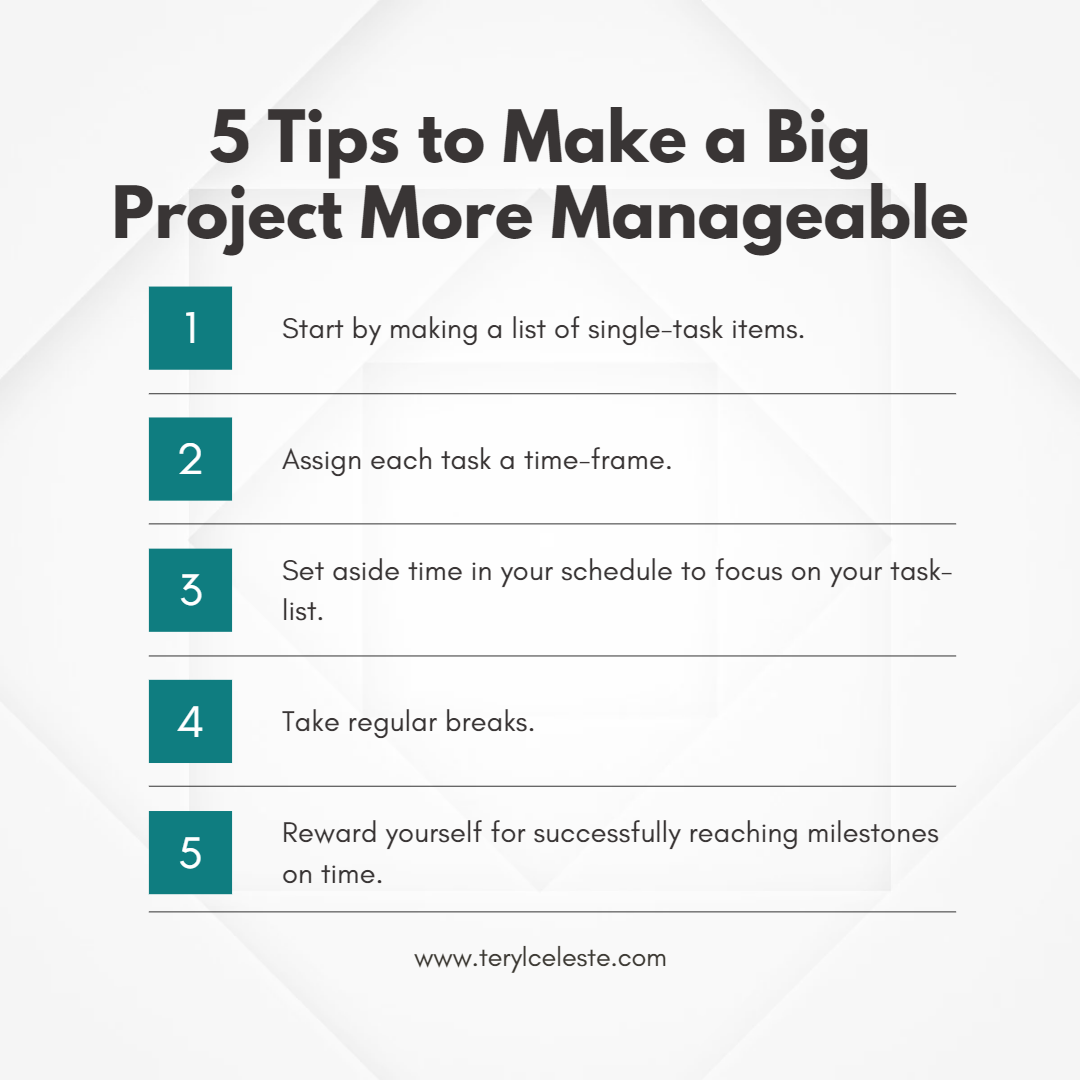
Monitoring progress on smaller tasks is a crucial aspect of managing large projects. It allows teams to identify any potential issues early and make necessary adjustments to keep the project on track. Establishing effective tracking mechanisms ensures that all team members are aligned with project goals and timelines.Implementing a robust tracking system involves regular check-ins and updates, which foster accountability and transparency within the team.
This practice not only keeps everyone informed but also encourages collaboration and timely problem-solving.
Strategies for Monitoring Progress
Several strategies can enhance the process of tracking progress on smaller tasks. These strategies can include the following:
- Daily or Weekly Stand-Up Meetings: Organizing brief meetings allows team members to share progress updates, discuss challenges, and align efforts towards the project goals.
- Progress Dashboards: Utilizing visual management tools that display real-time project metrics can help teams track their progress and stay motivated.
- Task Management Software: Implementing tools such as Trello, Asana, or Jira can improve task visibility and facilitate updates on the status of individual assignments.
Establishing a routine of regular check-ins can elevate the level of communication and engagement within the team. By having scheduled discussions, team members can celebrate completed milestones and address any obstacles that may arise.
Tools for Tracking Project Progress
Utilizing the right tools can significantly streamline the tracking process for projects. The following tools are recommended for effective progress monitoring:
- Microsoft Project: A robust project management software that allows for detailed scheduling, resource allocation, and progress tracking.
- Slack: A communication tool that can be integrated with project management applications, allowing team members to receive updates and communicate efficiently.
- Google Sheets: A flexible spreadsheet application that enables teams to create customizable tracking spreadsheets that can be easily shared and updated.
- Notion: A versatile workspace that combines notes, databases, and task management, offering a unique way to keep track of various aspects of a project.
Incorporating these tools into your project management strategy not only enhances organization but also ensures that everyone involved is aware of their responsibilities and deadlines.
“Regularly tracking progress fosters a proactive approach to problem-solving, enabling teams to adapt and respond effectively to unforeseen challenges.”
Adapting and Revising Plans
Flexibility is a cornerstone of effective project management, enabling teams to respond to the evolving nature of projects and the challenges they present. As project dynamics shift due to unforeseen circumstances or stakeholder feedback, the ability to adapt plans becomes essential for maintaining progress and achieving desired outcomes.The importance of flexibility in project management cannot be overstated. It facilitates timely responsiveness to changes, minimizes project risks, and enhances overall project quality.
Adapting plans based on feedback and developments ensures that the project remains aligned with its goals while also accommodating new insights and improvements.
Revising Plans Based on Feedback
Feedback is a valuable asset in project management, guiding adjustments that can enhance project performance. To effectively revise tasks and timelines, teams should embrace a structured approach:
1. Regular Review Meetings
Establishing a routine for team reviews allows for continuous assessment of project progress. These meetings can provide a platform for discussing challenges and opportunities for improvement.
2. Collecting Stakeholder Input
Actively seeking input from stakeholders can illuminate areas that need adjustment. For example, during a software development project, client feedback on usability may necessitate changes to the user interface design.
3. Assessing Resource Availability
Changes in resource availability may impact timelines. For instance, if a key team member becomes unavailable, reallocating tasks or extending deadlines may be necessary to maintain project quality.
4. Utilizing Agile Methodologies
Agile frameworks, such as Scrum, emphasize iterative progress and adaptability. Teams can break work into smaller increments called sprints, allowing for regular reassessment and adjustment of plans based on recent developments and feedback.
5. Documentation of Changes
Maintaining thorough documentation of all changes made during the project lifecycle is crucial. This ensures that the reasons for changes can be communicated clearly to all stakeholders, thereby fostering transparency and accountability.
“The ability to adapt is equally as important as the ability to plan.”
By implementing these strategies, teams can revise their tasks and timelines effectively, ensuring that projects remain on track and responsive to changing circumstances. For example, in a construction project, if unforeseen weather conditions delay work, the project manager might revise the schedule by extending deadlines for particular phases or reallocating resources to expedite other tasks that are less affected by these delays.
Communication and Collaboration
Effective communication and collaboration are essential for the successful management of large projects. In complex project environments, where multiple stakeholders are involved, clear communication ensures that everyone is aligned with the project’s goals and objectives. It helps to minimize misunderstandings and fosters a collaborative culture that enhances productivity and innovation among team members.
Role of Communication in Managing Large Projects
Communication plays a pivotal role in project management by serving as the foundation for all interactions within the team and with external stakeholders. It facilitates the sharing of information, updates, and feedback, which are critical for project progress. The following points highlight the importance of communication in project management:
-
Transparent communication fosters trust and accountability, which are vital for team dynamics.
- Regular updates and feedback loops ensure that everyone is informed about the project status, potential risks, and changes in direction.
- Effective communication helps in identifying and resolving conflicts early, preventing escalation and promoting a collaborative atmosphere.
- Clear communication of roles and responsibilities reduces ambiguity, enabling team members to focus on their tasks effectively.
Strategies for Facilitating Collaboration Among Team Members
Promoting collaboration among team members is critical for enhancing project performance. Various strategies can be employed to create an environment conducive to teamwork and cooperation:
- Establishing regular team meetings to discuss progress, challenges, and solutions encourages open dialogue and collective problem-solving.
- Utilizing collaborative tools and platforms allows team members to share documents, updates, and feedback seamlessly, breaking down geographical barriers.
- Encouraging team-building activities fosters interpersonal relationships and enhances mutual understanding, which can lead to improved collaboration.
- Recognizing and celebrating team achievements boosts morale and motivates members to work together toward common goals.
Tools That Can Enhance Team Communication
The right tools can significantly enhance communication and collaboration among team members in large projects. Here are several recommended tools and their benefits:
- Project Management Software: Tools like Trello, Asana, and Microsoft Project help organize tasks, assign responsibilities, and track progress, ensuring everyone stays on the same page.
- Communication Platforms: Applications such as Slack and Microsoft Teams facilitate real-time messaging, video calls, and file sharing, making communication more efficient.
- Document Collaboration Tools: Google Workspace and Confluence allow multiple users to work on documents simultaneously, enabling instant feedback and edits.
- Time-Tracking Tools: Platforms like Toggl and Harvest help monitor productivity and ensure that project timelines are adhered to.
Finalizing and Reviewing the Project
Successfully finalizing and reviewing a project is a critical phase that ensures all objectives have been met and provides an opportunity for reflection and growth. This step is essential for validating the work done and gathering insights that can inform future projects. It encapsulates the formal closure of the project while allowing for the identification of strengths and areas for improvement.Finalizing a project involves several key steps that not only confirm the completion of deliverables but also assess their quality and alignment with the original goals.
This process encourages an organized approach to evaluating outcomes and gathering lessons learned that can be documented for future reference.
Steps for Project Completion
Completing a project successfully requires a systematic approach to ensure all elements have been addressed. The following steps are crucial in this process:
- Conduct a Final Review: Assess all deliverables against project objectives to ensure they meet the required standards.
- Obtain Stakeholder Approval: Secure sign-off from key stakeholders, confirming that they are satisfied with the outcomes.
- Finalize Documentation: Complete all project documentation, including reports, financials, and compliance records, to maintain a comprehensive project archive.
- Release Resources: Officially release team members, equipment, and budget allocations, allowing for their redeployment to other projects.
- Celebrate Success: Recognize and celebrate the team’s hard work and achievements to boost morale and encourage future collaboration.
Reviewing Outcomes and Lessons Learned
The process of reviewing outcomes and documenting lessons learned is vital for enhancing future project management practices. This phase involves analyzing what worked well and what did not, providing valuable insights for continuous improvement. To facilitate this review, the following practices should be implemented:
- Organize a Retrospective Meeting: Gather the project team to discuss successes and challenges, ensuring everyone has a voice in the evaluation process.
- Use a Structured Feedback Template: Create a guide that helps frame feedback around key areas such as project scope, timelines, resources, and stakeholder engagement.
- Identify Key Takeaways: Document specific lessons learned, outlining both positive outcomes and critical areas for improvement.
Documenting Feedback and Future Improvements
Effective documentation of feedback ensures that insights gained from the project are accessible for future reference. This not only aids in individual growth but also enhances organizational learning. The following methods can be employed for documenting feedback and future improvements:
- Create a Lessons Learned Database: Develop a centralized repository where all lessons learned from various projects are stored, categorized, and easily accessible.
- Utilize Project Management Tools: Use software that allows for the integration of feedback directly into project plans, enabling real-time updates and adjustments.
- Implement Regular Review Cycles: Schedule periodic reviews of past projects to discuss lessons learned and how they can be applied to ongoing or future projects.
“The greatest lesson in life is to know that even fools are right sometimes.” – Winston S. Churchill
Final Wrap-Up

In conclusion, breaking down large projects into manageable steps is not merely a strategic approach; it is a fundamental skill that can lead to remarkable efficiency and success. By employing effective techniques for task management, prioritization, and collaboration, project leaders can navigate the complexities of large undertakings with confidence. Embracing this structured methodology will not only enhance productivity but also foster a positive and engaging project environment.