How to Implement Time Blocking to Control Your Schedule takes center stage as an essential tool for enhancing productivity and organizing one’s time efficiently. This innovative approach allows individuals to allocate specific blocks of time for various tasks, ensuring that each moment is utilized to its fullest potential. By understanding the evolution of time management techniques, we can appreciate how time blocking distinguishes itself from traditional scheduling methods, offering a structured yet flexible framework for managing daily responsibilities.
Time blocking not only enhances focus and productivity but also contributes significantly to achieving a balanced work-life dynamic. As we delve into the advantages of this method, it becomes evident that time blocking equips individuals with the tools necessary to combat stress and overwhelm, making it a valuable asset in today’s fast-paced environment.
Introduction to Time Blocking
Time blocking is a time management method that involves dividing the day into distinct blocks of time, each allocated to specific tasks or activities. This technique helps individuals manage their schedules more effectively by providing a structured approach to prioritizing tasks and minimizing distractions. By visualizing their day and committing to completing specific activities within designated time frames, individuals can attain greater productivity and focus.The history of time management techniques can be traced back to the early 20th century, with pioneers like Frank and Lillian Gilbreth advocating for efficiency in work processes.
Over the decades, various methods such as the Pomodoro Technique and Getting Things Done (GTD) gained popularity. Time blocking emerged as a natural evolution of these techniques, combining elements of prioritization and focused work periods to create a comprehensive framework for managing one’s time. Unlike traditional scheduling methods that often rely on to-do lists and arbitrary time slots, time blocking emphasizes intentional allocation of time for each task, fostering accountability and discipline.
Characteristics of Time Blocking
Time blocking possesses several distinctive characteristics that set it apart from conventional scheduling methods. Understanding these elements is crucial for implementing the technique effectively.
- Structured Framework: Time blocking creates a clear structure for the day, providing a roadmap that guides individuals through their tasks. This reduces the mental clutter that often accompanies open-ended to-do lists.
- Focus on Priorities: By allocating specific time slots for tasks based on their priority, individuals ensure that essential activities receive the attention they deserve, enhancing overall productivity.
- Distraction Minimization: Time blocking encourages individuals to focus on one task at a time, reducing the tendency to multitask and thus minimizing distractions that can lead to decreased efficiency.
- Flexibility and Adaptability: While time blocks are set for specific tasks, they can also be adjusted as needed, allowing for flexibility in managing unforeseen interruptions or changes in priorities.
- Accountability: By committing to a time block, individuals hold themselves accountable for their productivity, making it easier to track progress and make necessary adjustments.
“Time blocking transforms the chaotic nature of our schedules into a more organized and productive framework.”
Benefits of Time Blocking

Time blocking is a powerful technique that allows individuals to segment their day into dedicated time slots for specific tasks or activities. This method has become increasingly popular due to its significant advantages in enhancing productivity and focus, promoting work-life balance, and reducing stress levels.The benefits of time blocking extend beyond mere time management; they provide a structured approach that leads to more intentional use of time.
By designating specific blocks for tasks, individuals can minimize distractions and enhance their concentration. This practice fosters a heightened level of focus, making it easier to complete tasks efficiently and effectively.
Impact on Productivity and Focus
Time blocking greatly enhances productivity by allowing individuals to allocate dedicated time for high-priority tasks. The method encourages users to prioritize their workload and tackle the most critical jobs first.
- Increased Concentration: With a set time for each task, distractions can be minimized, leading to deeper focus. For example, a software developer might block out two hours solely for coding, free from interruptions.
- Enhanced Task Management: By visualizing the entire day, individuals can see how much time they truly have for various responsibilities, making it easier to avoid overcommitment.
- Improved Accountability: Committing to time blocks helps individuals hold themselves accountable to their schedules, leading to better adherence to tasks and timelines.
Influence on Work-Life Balance
Time blocking contributes significantly to achieving a healthy work-life balance. It assists individuals in clearly delineating work hours from personal time, thus ensuring that both areas receive appropriate attention.
- Defined Boundaries: By setting specific hours for work, individuals can enjoy uninterrupted personal time, resulting in enhanced relationships and personal well-being.
- Sustainable Work Practices: This technique fosters a routine that can prevent burnout. For instance, a professional who blocks time for regular breaks is likely to maintain higher energy levels throughout the day.
- Flexibility and Adaptability: Time blocking can be adjusted as needed, allowing individuals to accommodate unexpected events without sacrificing their overall schedule.
Reduction of Stress and Overwhelm
Implementing time blocking can aid in significantly lowering stress levels and feelings of overwhelm. By having a clear plan for each day, individuals can approach their tasks with confidence rather than anxiety.
- Visual Clarity: Seeing a well-structured schedule can alleviate the mental load of remembering tasks, which in turn reduces overwhelm. A visual planner can serve as a calming tool, providing a sense of order.
- Task Prioritization: By focusing on one task at a time within each designated block, individuals are less likely to feel scattered and can experience a sense of accomplishment as they complete each task.
- Proactive Stress Management: Knowing when specific tasks will be tackled allows individuals to mentally prepare, thereby reducing anxiety about deadlines or workload.
Steps to Implement Time Blocking
Implementing time blocking requires a structured approach that allows you to take control of your daily schedule. This method not only improves productivity but also helps in reducing stress by assigning specific time slots for different tasks. Below, we Artikel the essential steps to start time blocking effectively.
Initial Steps to Start Time Blocking
Beginning your journey with time blocking involves several key steps that will set a strong foundation for effective schedule management.
- Identify Your Tasks: Start by listing all the tasks and responsibilities you need to manage. This can include work projects, meetings, personal commitments, and even downtime.
- Estimate Time Requirements: For each task, estimate how much time you will need to complete it. This helps in allocating appropriate time slots.
- Create a Time Block Schedule: Using your task list and time estimates, create a schedule by dividing your day into dedicated blocks of time for each task. Consider your energy levels at different times of the day for optimal performance.
- Use Tools and Software: Select tools and software that can assist you in managing your time blocks more efficiently.
- Review and Adjust: At the end of each week, review your progress. Adjust time blocks based on what worked and what didn’t to improve future scheduling.
Tools and Software for Time Blocking
There are numerous tools and software that can facilitate the implementation of time blocking, making it easier to adhere to your planned schedule. These tools help in visualizing your time blocks and can send reminders to keep you on track.
- Google Calendar: A widely-used tool that allows you to create events and reminders for each time block, offering flexibility in adjusting schedules.
- Trello: A project management tool that can be adapted for time blocking by creating cards for each task and scheduling them in your calendar.
- Blocksite: This browser extension helps minimize distractions by blocking specific websites during your time blocks.
- Focus@Will: A music service designed to enhance focus and productivity, helping you maintain concentration during your time blocks.
- Todoist: A task management app that allows you to set due dates and times for tasks, providing a clear visual layout of your schedule.
Time-Blocked Schedule Template
Creating a structured time-blocked schedule can significantly enhance your productivity. Below is a simple layout for a time-blocked schedule, formatted in an HTML table for clarity.
| Time | Task | Description |
|---|---|---|
| 8:00 AM – 9:00 AM | Email Review | Check and respond to important emails. |
| 9:00 AM – 11:00 AM | Project Work | Focus on completing key project deliverables. |
| 11:00 AM – 11:15 AM | Break | Short break to recharge. |
| 11:15 AM – 12:00 PM | Team Meeting | Discuss project updates with the team. |
| 12:00 PM – 1:00 PM | Lunch | Time to relax and refuel. |
| 1:00 PM – 3:00 PM | Client Calls | Schedule calls with potential clients. |
| 3:00 PM – 5:00 PM | Wrap-Up | Finalize reports and prepare for the next day. |
This time-blocked schedule template allows for clear visualization of tasks and helps in maintaining focus throughout the day. By following these steps and utilizing the recommended tools, you can effectively implement time blocking in your daily routine.
Strategies for Effective Time Blocking

Implementing time blocking effectively requires a strategic approach to ensure productivity and balance. By developing well-thought-out strategies, individuals can maximize their time management and create a schedule that supports their goals and priorities. This section Artikels methods for prioritizing tasks, allocating time for different activities, and adjusting blocks as necessary throughout the week.
Prioritizing Tasks in a Time-Blocked Schedule
Establishing a clear priority system is essential when creating a time-blocked schedule. Prioritization helps to ensure that the most critical tasks receive the attention they deserve. Here are several methods for prioritizing tasks effectively:
- Identify Key Objectives: Begin by outlining primary goals for the week or month. This provides a framework for determining which tasks are essential and should be prioritized in your schedule.
- Use the Eisenhower Matrix: Divide tasks into four categories based on urgency and importance: urgent and important, important but not urgent, urgent but not important, and neither urgent nor important. This visual aid aids in identifying which tasks require immediate attention.
- Adopt the Pareto Principle: Focus on the 20% of tasks that will yield 80% of results. By identifying these high-impact tasks, you can prioritize them in your time blocks.
- Daily Review and Adjustment: Every morning or evening, review the completed tasks and adjust priorities based on progress or changes in circumstances.
Allocating Time for Different Types of Tasks
Understanding the nature of tasks is crucial for effective time allocation in a time-blocked schedule. Different types of work require varying levels of focus and energy. Here’s how to allocate time effectively:
- Deep Work Sessions: Allocate uninterrupted blocks of time for deep work, which often requires focus and concentration. Scheduling these sessions during peak productivity hours, such as early mornings, can yield better results.
- Meeting Times: Designate specific blocks for meetings to prevent them from encroaching on productive work periods. Consider scheduling meetings on certain days or times when deep work is less likely to occur.
- Administrative Tasks: Reserve shorter blocks for routine administrative tasks, such as email management and paperwork, which typically require less concentration.
- Breaks and Downtime: Incorporate regular breaks within your schedule to avoid burnout and maintain productivity levels. Use techniques like the Pomodoro Technique, which emphasizes focused work sessions followed by short breaks.
Adjusting Time Blocks as Needed
Flexibility is a key component of effective time blocking. Life is unpredictable, and being able to adjust your schedule can lead to greater productivity. Here’s a step-by-step process for adjusting blocks during the week:
- Monitor Progress: Regularly assess your progress at the end of each day. Identify any blocks that were not completed and consider the reasons behind this.
- Reallocate Resources: If certain tasks are taking longer than anticipated, adjust your blocks to allocate additional time accordingly. This may involve shifting lower-priority tasks to another day.
- Consider Energy Levels: Pay attention to your energy levels throughout the week. If you find that a certain time of day is better suited for specific tasks, adjust your schedule to align with your natural rhythms.
- Communicate Changes: If tasks depend on collaboration, ensure that all relevant parties are informed about any changes in scheduling to maintain alignment and accountability.
Common Challenges and Solutions in Time Blocking
Implementing time blocking can significantly enhance productivity; however, it also presents certain challenges that individuals may encounter along the way. Understanding these potential pitfalls and their solutions is essential for a successful time-blocking experience. Recognizing the common distractions and interruptions that can disrupt your schedule, as well as how to adapt to unexpected changes, can make the difference between a chaotic day and a productive one.
Potential Pitfalls in Time Blocking
Several challenges can arise when adopting time blocking as a scheduling method. These challenges can hinder the effectiveness of this strategy if not addressed properly. Some common pitfalls include:
- Inflexibility: Rigid adherence to the schedule may not allow for necessary adjustments, leading to frustration.
- Overestimation of Productivity: Individuals may misjudge the time required for tasks, resulting in uncompleted blocks.
- Neglecting Breaks: Continuous work without breaks can lead to burnout and reduced efficiency.
Strategies for Overcoming Distractions and Interruptions
Distractions and interruptions are significant barriers to maintaining focus during time-blocked periods. To enhance concentration, consider implementing the following strategies:
- Create a Distraction-Free Environment: Designate a specific workspace that minimizes disturbances from noise and visual distractions.
- Utilize Technology Wisely: Employ apps that block distracting websites or notifications during blocked times.
- Communicate Boundaries: Inform colleagues or family members of your time-blocking schedule to reduce interruptions.
Adapting Time Blocking to Unexpected Changes
Life is inherently unpredictable, and the ability to adapt time blocking to unexpected changes is crucial. Here are some effective methods to manage these fluctuations:
- Buffer Time: Incorporate buffer periods between blocks to accommodate overruns or urgent tasks.
- Prioritize Tasks: At the start of each day, identify the most critical tasks and adjust your blocks accordingly to focus on high-value activities.
- Flexible Blocks: Designate certain blocks as flexible to allow for dynamic scheduling when unexpected events arise.
“Being adaptable is key to maintaining productivity in the face of unexpected changes in your schedule.”
Time Blocking for Different Roles and Goals
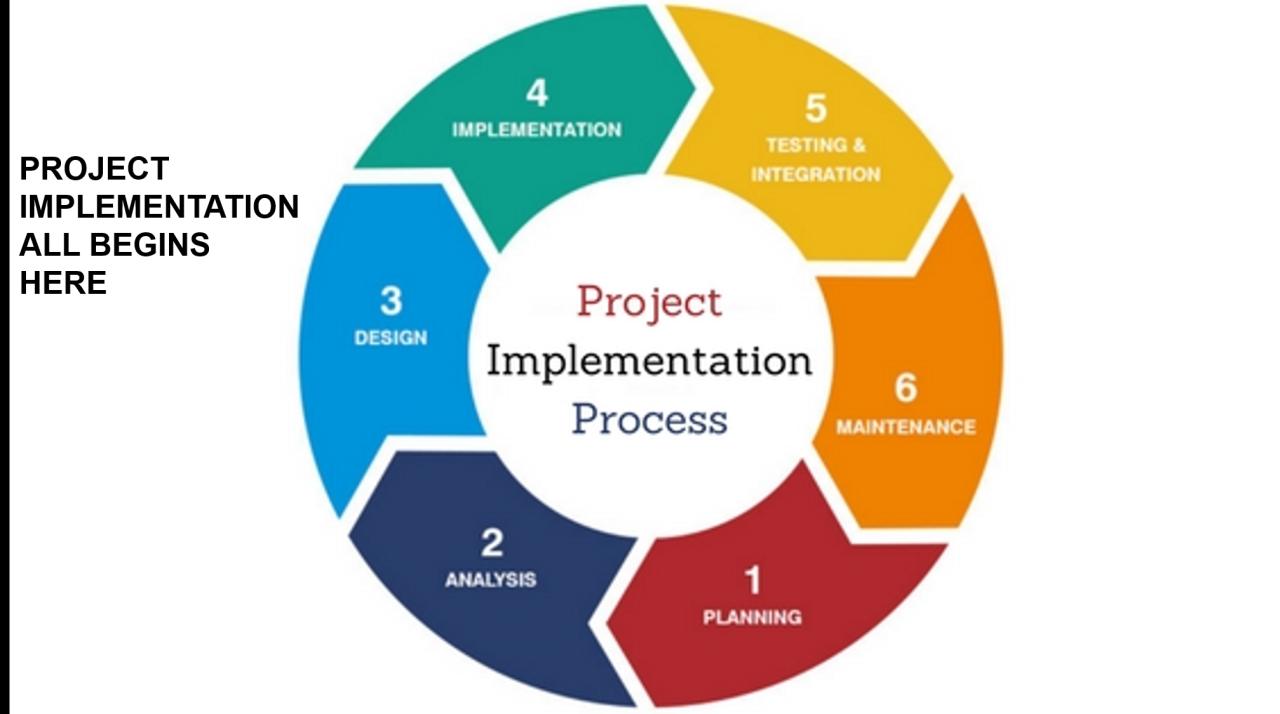
Time blocking is a versatile technique that can be tailored to fit various professional roles and personal aspirations, enhancing productivity and focus. Understanding how to customize time blocking strategies for different contexts allows individuals to maximize their efficiency and achieve their objectives. This segment will explore how professionals and personal enthusiasts can effectively implement time blocking into their schedules.
Customizing Time Blocking for Professions
Different careers require unique approaches to time blocking, catering to the specific demands and workflows inherent in each role. Below are examples of how freelancers and corporate employees can adapt time blocking to improve their productivity.For freelancers, time blocking can help manage multiple projects simultaneously. Freelancers often juggle various clients and tasks, making it essential to allocate specific time slots for client work, administrative tasks, and skill development.
Here’s how freelancers might structure their time blocking:
- Client Work: Dedicated blocks for specific clients to ensure focus and quality.
- Admin Tasks: Time set aside for invoicing, emails, and follow-ups.
- Skill Enhancement: Regular slots for learning new tools or techniques relevant to their field.
Corporate employees, on the other hand, might face a different set of challenges. Here, time blocking can be utilized to navigate meetings, project deadlines, and individual tasks. A corporate employee could structure their day as follows:
- Meeting Blocks: Designated times for team meetings and one-on-ones to avoid interruptions.
- Focused Work Sessions: Uninterrupted periods for deep work on projects or reports.
- Break and Review: Scheduled breaks to refresh and review progress on tasks.
Using Time Blocking for Personal Goals
Time blocking is not limited to professional tasks; it can also be highly effective for achieving personal goals, such as fitness or hobbies. Individuals can create dedicated time slots to ensure consistent progress toward these objectives.For instance, a fitness enthusiast might allocate time blocks for workouts, meal prep, and recovery. Here is an example of how one might plan their week:
- Workout Sessions: Specific days and times for cardio, strength training, and yoga.
- Meal Planning: Weekly time set aside for grocery shopping and meal prep.
- Rest Days: Scheduled downtime for recovery and relaxation.
Similarly, someone pursuing a hobby, such as painting or writing, can benefit from time blocking. By scheduling regular time slots, they can ensure that they cultivate their interests without distractions. For example:
- Creative Sessions: Time allocated for painting or writing, free from interruptions.
- Skill Development: Periods set for learning new techniques or attending workshops.
- Reflection Time: Scheduled moments to review progress and set new goals.
Time Blocking Applications Across Different Fields
For a clearer understanding of how time blocking can be applied across various professions and personal pursuits, the following table provides a comparison of applications in different fields:
| Role/Field | Time Blocking Focus | Example Structure |
|---|---|---|
| Freelancer | Client management, skill development | Client A: 9 AM – 12 PM; Admin: 1 PM – 2 PM; Learning: 3 PM – 4 PM |
| Corporate Employee | Task completion, meeting organization | Meeting: 10 AM – 11 AM; Deep Work: 11 AM – 1 PM; Review: 4 PM – 5 PM |
| Fitness Enthusiast | Workout scheduling, meal prep | Cardio: 7 AM – 8 AM; Meal Prep: Sunday 3 PM – 5 PM |
| Hobbyist (e.g., Painter, Writer) | Creative expression, skill enhancement | Painting: Tuesday 6 PM – 8 PM; Workshop: Saturday 10 AM – 12 PM |
Review and Adjust Your Time Blocking

Regularly reviewing and adjusting your time-blocking strategy is essential to ensure its continued effectiveness in managing your schedule. As tasks and priorities evolve, so too must your approach to time blocking. By taking the time to reflect on and refine your blocks, you can enhance your productivity and ensure that your time management aligns with your goals.Evaluating the effectiveness of your time-blocking system involves measuring productivity and analyzing how well you are utilizing your scheduled time.
Key metrics for assessing your time-blocking effectiveness include:
Metrics for Assessing Productivity
Understanding metrics that represent your productivity is crucial in identifying areas needing adjustment. Consider the following metrics:
- Completion Rate: Measure the percentage of tasks completed within the allocated time blocks. A high completion rate indicates effective time management.
- Time Spent vs. Estimated Time: Compare the actual time spent on each task to the estimated time. Significant discrepancies may indicate the need for adjustments in future time allocations.
- Disruptions and Interruptions: Track how often you experience distractions or interruptions during your time blocks. A high frequency may suggest the need for creating a more focused environment.
- Quality of Output: Evaluate the quality of work completed within time blocks. If the output does not meet your standards, it may be necessary to reassess how you allocate time to specific tasks.
Regular assessment of these metrics allows for informed decisions regarding your time-blocking strategy, leading to improved productivity and efficiency.
Methods for Adjusting Time Blocks
Adjusting your time blocks based on performance is a proactive approach that enables continuous improvement. Consider the following methods for refining your time-blocking schedule:
- Reflect on Weekly Performance: Take time at the end of each week to review your completed tasks. Identify patterns in your productivity and effectiveness, adjusting time blocks accordingly.
- Prioritize Tasks: As new tasks emerge, re-evaluate your existing schedule. Prioritize these new tasks based on urgency and importance, shifting blocks as needed to accommodate them.
- Flexibility in Blocking: Introduce flexible time blocks that allow for adjustments on short notice. This can help you respond to unexpected tasks while maintaining structure in your day.
- Seek Feedback: If working within a team, solicit feedback on your time-blocking effectiveness from colleagues. This can provide valuable insights that help you refine your approach.
By employing these methods, you can ensure that your time-blocking system remains aligned with your evolving priorities and productivity goals.
“Regular review and adjustment of your time-blocking strategy is essential for maximizing productivity and achieving your objectives.”
End of Discussion
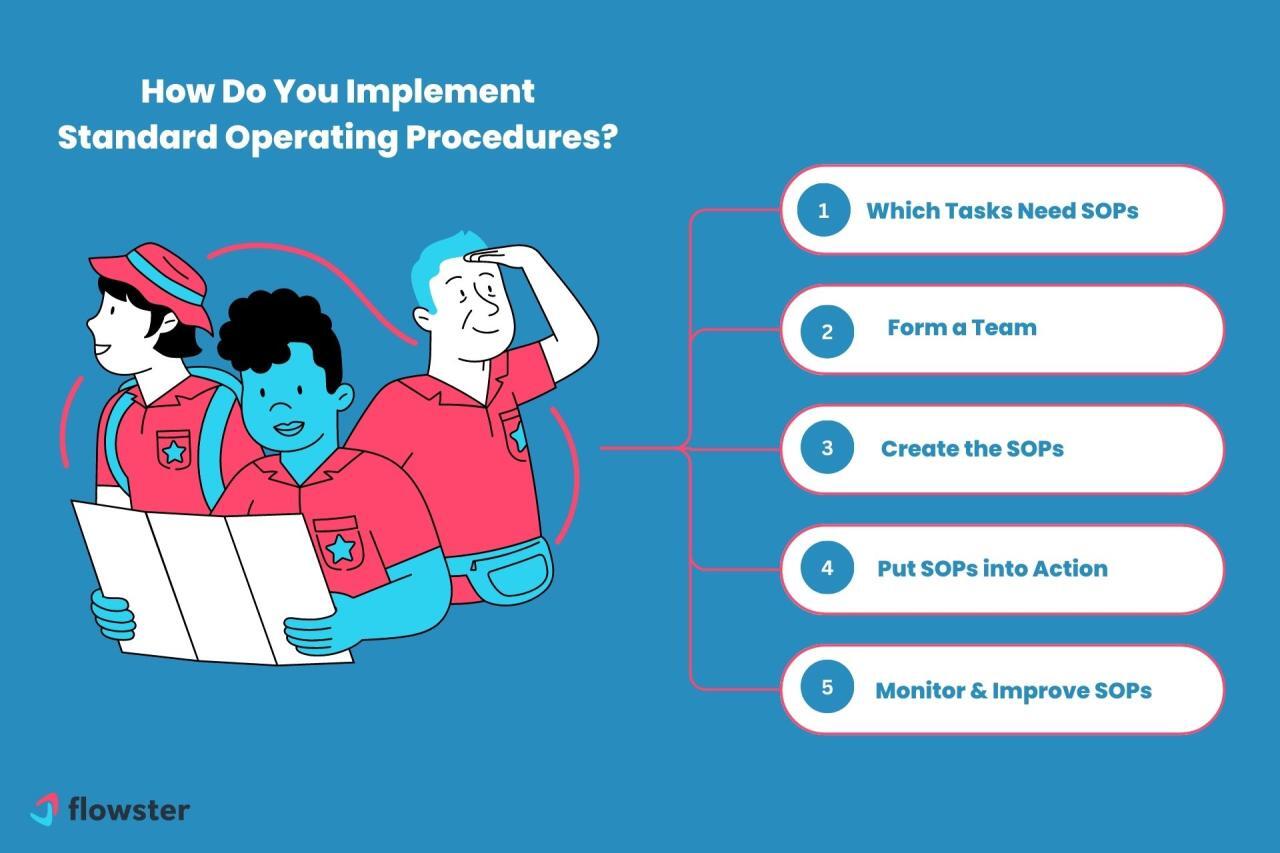
In summary, mastering the art of time blocking is a transformative journey that redefines how we approach our daily schedules. By implementing the strategies Artikeld and regularly reviewing our time allocation, we can adapt to the challenges that arise and enhance our overall efficiency. Embracing this method not only fosters improved productivity but also paves the way for achieving personal and professional goals, ultimately leading to a more fulfilling life.