Managing study time effectively in college is a crucial skill that can significantly influence academic success and overall well-being. As students navigate a diverse array of responsibilities, mastering time management becomes essential for achieving their educational goals. The ability to balance coursework, extracurricular activities, and personal commitments not only enhances academic performance but also fosters personal growth and resilience.
In this discussion, we will explore the various aspects of effective time management, including the identification of time-wasting distractions, the establishment of clear goals, the development of structured study schedules, and the utilization of effective study techniques. Furthermore, we will highlight the importance of leveraging campus resources and maintaining a healthy lifestyle to ensure optimal study efficiency.
Importance of Time Management in College
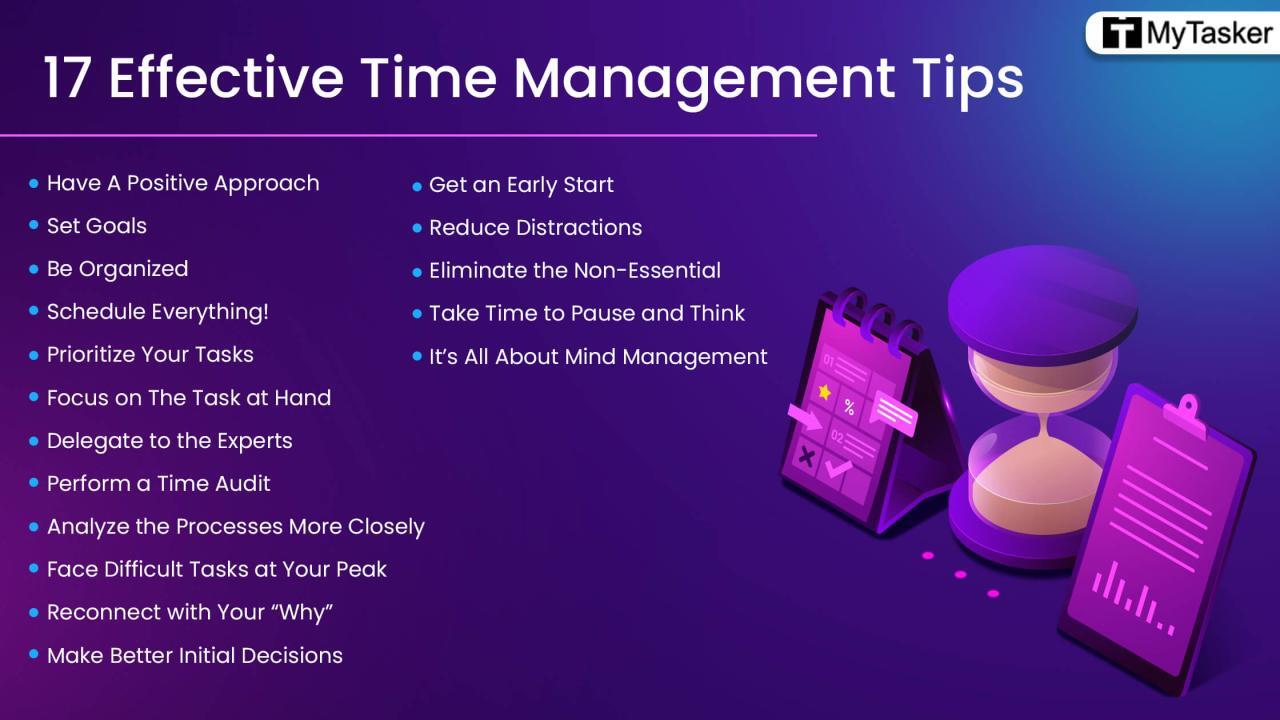
Effective time management is a crucial skill for college students, as it directly influences their academic performance and overall success. In a demanding educational environment, the ability to prioritize tasks, allocate appropriate time for studying, and adhere to schedules can make the difference between a successful academic experience and one fraught with stress and underachievement. Time management not only enhances productivity but also allows for a balanced lifestyle that includes social activities and personal development.The negative effects of poor time management can be profound.
Students who struggle to manage their time often find themselves overwhelmed, resulting in missed deadlines, subpar assignments, and increased anxiety. This can lead to a vicious cycle of stress and poor performance, further compounding the issue. Research indicates that students who engage in effective time management strategies are more likely to achieve higher academic results, maintain better health, and enjoy greater satisfaction with their college experience.
Correlation Between Time Management and Academic Success
Understanding the relationship between time management and academic performance is essential for students aiming to improve their GPA. Studies have shown that students who practice effective time management techniques typically achieve higher grades compared to those who do not. For instance, a study conducted by Britton and Tesser (1991) found that students who utilized structured time management strategies had GPAs that were, on average, 1.5 points higher than their peers without such strategies.
To further illustrate this correlation, consider the following statistics:
- According to a survey by the National Survey of Student Engagement, 60% of high-achieving students reported using a planner or digital calendar to organize their study schedules.
- A study from the Journal of Educational Psychology revealed that students who practiced time management were 30% more likely to stay on task during study sessions.
- Research from the American Psychological Association indicates that effective time management can lead to a 25% increase in academic performance across various disciplines.
These findings underscore the critical role that time management plays in achieving academic goals, demonstrating that students who proactively manage their study time are better equipped to handle their coursework and excel in their studies.
“Time management is not just about managing time; it’s about managing oneself.”
Effective time management strategies include setting specific goals, breaking tasks into manageable chunks, and utilizing tools such as calendars and to-do lists. By adopting these strategies, students can enhance their productivity and performance, ultimately leading to a more rewarding college experience.
Identifying Time Wasters

Effective study time management is crucial for academic success in college. One of the primary obstacles students face is time wasters, which can significantly hinder productivity and academic performance. Recognizing these distractions is the first step toward mitigating their impact on study efficiency.Many common distractions can detract from focused study sessions. Identifying these time wasters is essential for creating a productive study environment.
The following are prevalent distractions that students often encounter:
Common Distractions in Study Environments
Understanding the nature of distractions allows students to develop strategies to minimize their effects. Below are some typical time-wasting activities and suggestions for reducing their occurrence during study sessions:
- Smartphone Notifications: The constant barrage of social media updates and text messages can fragment attention and lead to procrastination.
“Each time a student checks their phone, it can take up to 25 minutes to regain full focus on their studies.”
To counter this, students can put their devices on ‘Do Not Disturb’ mode or use apps that block distracting sites during study time.
- Social Media Use: Frequent engagement with platforms such as Instagram or Twitter can waste a significant amount of time.
“Social media is designed to capture attention, often leading to prolonged usage beyond intended limits.”
Scheduling specific times for social media engagement can help maintain focus while allowing for necessary breaks.
- Television and Streaming Services: Watching shows can easily turn from a quick break into hours of distraction.
“Binge-watching can disrupt sleep patterns and reduce study time, impacting overall academic performance.”
Setting strict time limits for entertainment activities can assist in maintaining a balanced study schedule.
- Multitasking: While it may seem efficient, attempting to juggle multiple tasks can reduce overall productivity.
“Research indicates that multitasking can diminish overall performance by up to 40%.”
Focusing on one task at a time can lead to higher quality work and less wasted time.
- Unexpected Interruptions: Roommates, family, or pets can disrupt concentration.
“Creating a designated study space can help minimize interruptions and enhance focus.”
Informing others of study times and using noise-cancelling headphones can also help create a conducive study environment.
By recognizing these common distractions and implementing strategies to minimize their impact, students can significantly improve their time management skills and enhance their academic performance.
Setting Clear Goals

Establishing clear goals is a vital component of effective study time management in college. Goals provide direction and a sense of purpose, making it easier for students to stay focused and motivated. By setting specific objectives, students can better allocate their time and resources while enhancing their academic performance.To create an effective framework for setting goals, students can utilize the SMART criteria, which ensures that goals are Specific, Measurable, Achievable, Relevant, and Time-bound.
This systematic approach enables students to clarify their objectives and track their progress effectively.
SMART Goals Framework
The SMART framework serves as a guideline for crafting well-defined academic goals. Each element of SMART must be considered to ensure the goals are practical and attainable.
- Specific: Goals should be clear and specific, detailing what exactly is to be achieved. For example, rather than stating “I want to improve my grades,” a specific goal would be “I want to achieve a grade of at least 85% in my mathematics course.”
- Measurable: Establish criteria to measure progress. This could involve tracking grades on assignments or tests, like aiming to complete five chapters of reading by the end of the week.
- Achievable: Goals must be realistic and attainable based on students’ current abilities and resources. Setting an unachievable goal, such as aiming for a perfect score in every subject, can lead to frustration.
- Relevant: Goals should align with broader academic and personal objectives. For instance, if a student intends to apply for graduate school, a relevant goal would be to maintain a strong GPA.
- Time-bound: Deadlines create urgency and help prioritize tasks. Goals should include a timeline, such as “I will study for my final exam for two hours every day leading up to the test date.”
Prioritizing Tasks Based on Deadlines and Difficulty
Effective time management also involves recognizing which tasks to prioritize. Students can categorize their assignments based on urgency and complexity using a simple matrix.
- Urgent and Important: These tasks need immediate attention, such as upcoming exams or assignment deadlines.
- Important but Not Urgent: These tasks are significant for long-term goals, like projects or study sessions that can be scheduled for later.
- Urgent but Not Important: These tasks, such as minor assignments, can often be delegated or completed quickly.
- Not Urgent and Not Important: These activities can usually be eliminated or postponed, such as excessive social media use.
Breaking Larger Projects into Manageable Tasks
Large projects can seem overwhelming, but breaking them down into smaller, manageable tasks can reduce anxiety and enhance productivity. This technique not only simplifies the process but also enables students to enjoy a sense of accomplishment as they complete each individual task.To effectively break down projects, students can follow these steps:
- Define Overall Goals: Clearly Artikel the objective of the project along with its requirements.
- Identify Milestones: Establish major milestones that represent significant progress points within the project timeline.
- Create Actionable Steps: List specific tasks required to achieve each milestone. For example, for a research paper, tasks might include selecting a topic, conducting research, outlining, and writing.
- Allocate Time for Each Task: Assign a realistic timeframe to complete each task, ensuring that it aligns with overall deadlines.
By setting clear goals and breaking down projects into smaller tasks, students can manage their study time more effectively, leading to greater academic success.
Creating a Study Schedule
A well-structured study schedule is essential for college students to manage their time effectively and maintain a balanced academic life. By designing a weekly planner that incorporates class times, study sessions, and breaks, students can optimize their learning experiences and reduce stress levels. This systematic approach lays the foundation for achieving academic goals while ensuring personal commitments are met.Establishing a consistent study schedule fosters discipline and enhances retention of information.
Regular study times and locations can condition the mind, making it easier to enter a focused state. This aspect is particularly beneficial when paired with the understanding of one’s most productive hours. Below are key components to consider when creating a study schedule.
Designing a Weekly Study Planner
Creating a weekly study planner involves mapping out class times, designated study periods, and necessary breaks. This structured layout helps students visualize their commitments and allocate time efficiently. A sample planner might look like this:
| Day | Class Time | Study Session | Break |
|---|---|---|---|
| Monday | 9 AM – 11 AM | 1 PM – 3 PM | 3 PM – 3:30 PM |
| Tuesday | 10 AM – 12 PM | 2 PM – 4 PM | 4 PM – 4:30 PM |
| Wednesday | 9 AM – 11 AM | 1 PM – 3 PM | 3 PM – 3:30 PM |
| Thursday | 9 AM – 12 PM | 1 PM – 4 PM | 4 PM – 4:30 PM |
| Friday | 10 AM – 12 PM | 2 PM – 3 PM | 3 PM – 3:30 PM |
It is crucial to include time for revision and breaks to maintain mental clarity. Breaks should be strategically placed to recharge focus and help consolidate learning.
Importance of Consistency in Study Times and Locations
Consistency is vital in establishing effective study habits. Allocating specific times and locations for study sessions enables students to develop a routine, making it easier to transition into a study mindset. This regularity can enhance focus and productivity. For instance, choosing a quiet corner of the library or a well-lit study area in a dormitory can create an optimal environment for concentration.
Over time, associating these locations with study sessions can lead to improved cognitive function and retention.
Using Digital Tools for Scheduling
In the digital age, numerous tools and applications can assist in creating and managing study schedules. Utilizing technology simplifies the process and allows for easy adjustments. Some recommended tools include:
- Google Calendar: An excellent tool for scheduling classes, study sessions, and reminders. It allows integration with other apps and devices.
- Trello: A versatile project management app that can be adapted for organizing study tasks and deadlines visually.
- Notion: A customizable workspace that combines notes, tasks, and calendars for comprehensive study management.
- My Study Life: Specifically designed for students, this app helps organize classes, tasks, and exams in one place.
These digital tools not only help students stay organized but also provide flexibility in adapting schedules as needed. Moreover, they often include reminders and notifications to ensure that students remain accountable to their study commitments.
“A schedule is not just a list of tasks to be completed; it is a roadmap to academic success.”
Effective Study Techniques

Effective study techniques are essential for maximizing learning outcomes in a college setting. By applying various methods tailored to individual preferences, students can significantly enhance comprehension and retention of material. Different techniques cater to diverse learning styles, ensuring that each student can find the best approach for their academic success.One widely acknowledged method is the Pomodoro Technique, which involves studying for 25 minutes followed by a 5-minute break.
This technique helps maintain focus and prevents burnout. Active recall, another powerful strategy, encourages students to actively retrieve information from memory rather than passively reviewing notes. Spaced repetition complements this by spreading study sessions over time, enhancing long-term retention of information.
Comparison of Study Methods
Understanding the effectiveness of various study methods is crucial for selecting the best approach. Below is a comparison table that Artikels different study techniques and their effectiveness based on research findings.
| Study Method | Description | Effectiveness |
|---|---|---|
| Pomodoro Technique | Work in focused intervals (25 minutes) followed by short breaks (5 minutes). | Improves concentration and reduces mental fatigue. |
| Active Recall | Test yourself on the material instead of just rereading. | Significantly enhances memory retention and understanding. |
| Spaced Repetition | Review material at increasing intervals over time. | Maximizes long-term retention and combats forgetting. |
| Mind Mapping | Create visual representations of information to see connections. | Facilitates understanding and recall of complex subjects. |
| Interleaved Practice | Mix different subjects or topics during study sessions. | Improves problem-solving skills and adaptability. |
Tailoring study techniques to individual learning styles can enhance efficacy. For instance, visual learners may benefit more from mind mapping or diagrams, while auditory learners might prefer discussing material with peers or listening to recorded lectures. Kinesthetic learners often thrive through hands-on activities or teaching others.
“Effective study techniques not only improve retention but also foster a deeper understanding of the material.”
It is imperative for students to explore and experiment with various study methods to determine which combinations best suit their learning styles and academic goals. By doing so, they can create a personalized study routine that maximizes their educational experience.
Utilizing Campus Resources
Effective management of study time in college is greatly enhanced by the strategic use of academic resources available on campus. These resources not only support academic learning but also help students develop effective study habits and time management skills. By leveraging these opportunities, students can maximize their productivity and improve their academic performance.
Academic Resources Available on Campus
A variety of academic resources are designed to assist students in their studies. Understanding and utilizing these resources can lead to improved time management and better learning outcomes. Below is a list of essential campus resources:
- Tutoring Centers: These centers offer personalized assistance in various subjects, providing students with the opportunity to clarify concepts and enhance understanding.
- Libraries: Libraries are invaluable for accessing a wealth of academic materials, including books, journals, and online databases, which are crucial for research and study.
- Study Groups: Participating in or forming study groups allows students to collaborate with peers, share knowledge, and reinforce learning through discussion and explanation.
- Academic Advising Centers: Advisors help students plan their course schedules, set academic goals, and navigate academic challenges effectively.
- Workshops and Seminars: Many campuses offer workshops focused on study skills, time management, and examination strategies that can enhance a student’s ability to manage their workload.
Utilizing these resources effectively can significantly enhance a student’s ability to manage their time. For instance, attending tutoring sessions can clarify difficult subjects, making study sessions more productive. Moreover, utilizing library resources can streamline research processes, allowing students to allocate their time more efficiently.
Effective Use of Resources
Knowing how to effectively use campus resources is crucial for maximizing their benefits. Here are some strategies for making the most of these academic assets:
- Schedule Regular Visits: Plan regular visits to tutoring centers or libraries to establish a routine that supports consistent study habits.
- Engage Actively: Participate actively in study groups by contributing to discussions and providing explanations to fellow students, which reinforces your own learning.
- Set Specific Goals: Before utilizing a resource, define clear objectives for what you want to achieve during that session, whether it’s understanding a concept or completing an assignment.
- Seek Feedback: Use tutoring sessions as an opportunity to receive constructive feedback on your work, which can improve your understanding and performance.
- Utilize Technology: Many libraries have online databases and resources; familiarize yourself with these tools to save time during research.
Many students have shared their success stories regarding the use of campus resources. For example, one student reported that regular visits to the tutoring center significantly improved their grades in calculus, while another student attributed their successful transition to college-level writing to workshops conducted by the writing center. These testimonials highlight the importance of utilizing available resources and seeking help when needed, which ultimately contributes to better time management and academic success.
Maintaining a Healthy Lifestyle
A balanced lifestyle is crucial for optimizing study time and enhancing academic performance. The interplay between physical and mental health significantly influences one’s capacity to focus, retain information, and engage in effective learning. Establishing and maintaining healthy habits can lead to increased productivity and a more fulfilling college experience.Physical and mental health directly impacts study time efficacy. Insufficient sleep, poor nutrition, and lack of exercise can lead to decreased cognitive function, heightened stress levels, and lowered motivation.
Conversely, a well-rounded lifestyle promotes better concentration, improved mood, and higher energy levels, all of which are essential for effective studying.
Importance of Sleep, Nutrition, and Exercise
Adequate sleep, proper nutrition, and regular exercise are foundational elements of a healthy lifestyle that support academic success. Each aspect contributes uniquely to overall well-being and cognitive function.Sleep is vital for cognitive processes such as memory consolidation, attention, and problem-solving. Lack of sleep can impair these functions, making studying less effective. Research indicates that college students should aim for 7 to 9 hours of quality sleep each night to maximize their learning potential.Nutrition plays a crucial role in maintaining energy levels and cognitive clarity.
A balanced diet rich in fruits, vegetables, whole grains, and lean proteins fuels the brain, helping to sustain focus during study sessions. A diet high in sugars and saturated fats can lead to energy crashes and reduced concentration.Regular exercise is equally important, as it enhances mood, reduces stress, and improves overall health. Engaging in physical activity stimulates the release of endorphins, which can lead to a sense of well-being and increased stamina for studying.To effectively integrate wellness practices into a busy college schedule, the following strategies may be beneficial:
- Prioritize Sleep: Establish a consistent sleep schedule by going to bed and waking up at the same time each day, even on weekends, to regulate your body clock.
- Meal Prep: Plan and prepare healthy meals in advance to ensure access to nutritious food, even on hectic days. This approach can save time and reduce the temptation to opt for unhealthy snacks.
- Schedule Exercise: Block out specific times in your week dedicated to physical activity, whether it’s joining a fitness class, going for a run, or participating in recreational sports.
- Mindfulness Practices: Incorporate short mindfulness or meditation sessions into your day to reduce stress and improve focus. Even five minutes of deep breathing can help reset your mental state.
- Stay Hydrated: Keep a water bottle handy to ensure you’re drinking enough water throughout the day, as hydration is essential for maintaining energy levels and cognitive function.
Reflecting and Adjusting Strategies
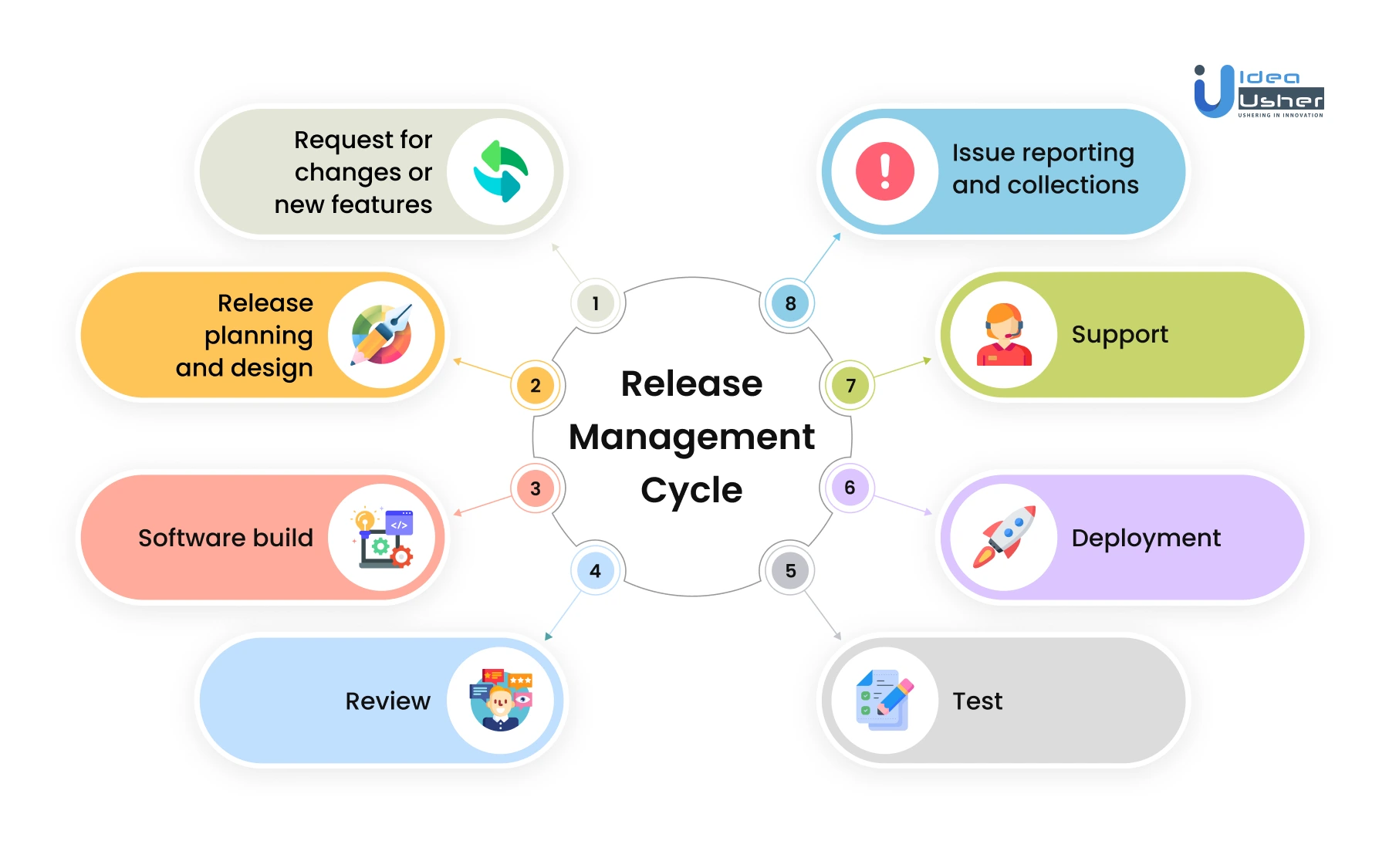
Regular reflection and adjustment of study strategies are essential for effective time management in college. As students progress through their academic journey, it is crucial to evaluate the efficacy of their time management skills and study habits. This ongoing process allows students to identify what is working well and what needs modification. Engaging in self-assessment promotes a proactive approach to learning, enabling students to adapt to changing circumstances and improve their overall productivity.Evaluating time management strategies involves systematically analyzing how time is allocated and the effectiveness of various study techniques.
Establishing a routine for reflection can help students monitor their progress and identify areas for improvement. This can include reviewing the outcomes of specific study sessions, assessing the completion of assignments, and noting the effectiveness of various study environments.
Identifying Ineffective Strategies
Recognizing when a time management strategy is not delivering the desired results is critical for academic success. Students should be mindful of indicators that suggest a need for change. These may include consistently falling behind on assignments, experiencing heightened stress levels, or feeling unprepared for exams. When such signs become apparent, a reassessment of current strategies is necessary.To facilitate this reassessment, students can implement the following methods:
- Maintain a reflective journal that records weekly study habits and outcomes. This log can highlight patterns over time, making it easier to identify ineffective strategies.
- Set specific benchmarks for academic performance. If certain goals are not met, it may be time to reevaluate the methods used to achieve them.
- Engage in self-questioning about personal study techniques, such as whether the environment is conducive to learning or if the study materials are effective.
- Seek feedback from academic advisors or professors who can provide insights into areas that may require adjustment.
Seeking Feedback on Study Effectiveness
Obtaining feedback from peers and instructors can provide valuable perspectives on study effectiveness. Collaboration and discussion with fellow students can reveal different techniques and approaches that may be more effective. Constructive feedback can enhance self-awareness regarding personal study habits and identify areas that need attention.Methods for seeking feedback include:
- Participating in study groups, where students can share their experiences and strategies, leading to collective improvement.
- Requesting informal evaluations from peers regarding group projects or presentations, which can offer insights into collaborative efforts.
- Utilizing office hours to discuss study strategies with instructors. Their expertise can help fine-tune approaches and provide tailored advice.
- Engaging in academic workshops offered by the college’s learning center, which often provide an opportunity for peer interaction and feedback.
Self-reflection and adaptation are ongoing processes that support student success. By continually assessing and adjusting their study strategies and time management techniques, students can cultivate a more effective and efficient approach to their academic responsibilities.
Outcome Summary
In conclusion, mastering the art of time management is a vital component of success in college. By implementing the strategies discussed, students can transform their study habits, eliminate distractions, and harness their full potential. As they reflect on their progress and adapt their approaches, students will find themselves better equipped to handle the demands of their academic journey, making their college experience both productive and fulfilling.