How to Manage Your Time During the Holiday Season is a crucial topic for those looking to navigate the bustling festivities with grace and efficiency. The holiday season, while filled with joy and celebration, often brings an array of commitments and tasks that can lead to stress and overwhelm. By adopting effective time management strategies, individuals can ensure they make the most of this special time while maintaining balance in their lives.
From prioritizing tasks to setting realistic goals, understanding the fundamentals of time management during this period is essential. With careful planning and preparation, one can create a harmonious blend of work and personal responsibilities, enabling a fulfilling and enjoyable holiday experience.
Time Management Fundamentals
The holiday season is often filled with festivities, family gatherings, and numerous obligations that can easily overwhelm even the most organized person. Effective time management during this period is essential to ensure that one can enjoy the season without becoming stressed. Understanding and applying fundamental time management principles can significantly enhance one’s ability to navigate the busy holiday period.
Prioritizing tasks and setting realistic goals is crucial when managing time effectively during the holidays. By distinguishing between urgent and important tasks, individuals can allocate their time more wisely. This involves assessing which tasks contribute most significantly to the overall holiday experience, whether it be preparing for gatherings, shopping for gifts, or engaging in personal relaxation. Recognizing that not all tasks carry equal weight allows for better focus on what truly matters.
Prioritizing Tasks and Setting Realistic Goals
Establishing priorities is key to managing time effectively, especially during the hectic holiday season. The following points illustrate how to prioritize tasks and set achievable goals:
- Identify high-impact tasks that require immediate attention, such as purchasing gifts or planning meals, and tackle them first.
- Create a balanced schedule that includes both social activities and time for personal rest, ensuring that obligations do not overshadow personal well-being.
- Set specific, measurable, attainable, relevant, and time-bound (SMART) goals for holiday activities to maintain focus and motivation.
Additionally, it is vital to recognize and eliminate common time-wasting activities that can derail productivity during this festive period. Being aware of these distractions enables individuals to make conscious choices about how they spend their time.
Common Time-Wasting Activities to Avoid
Understanding the activities that often lead to wasted time can aid in better time management. The following list details several common distractions to avoid during the holiday season:
- Procrastination on tasks that could be completed quickly, such as gift wrapping or sending holiday cards, can accumulate and lead to last-minute stress.
- Overcommitting to social events can lead to exhaustion; limit attendance to those that are truly important.
- Spending excessive amounts of time on social media, browsing for gift ideas, or comparing holiday plans with others can detract from actual preparation.
- Failing to set clear boundaries with family and friends regarding time spent on holiday preparations can lead to feeling overwhelmed.
Effective time management during the holidays allows individuals to focus on meaningful experiences rather than becoming mired in endless tasks.
Planning and Preparation
Effective planning and preparation are vital during the holiday season, as they enable individuals to manage their time efficiently while enjoying the festivities. By implementing strategic planning methods, one can alleviate stress and ensure that all significant tasks and events are attended to, leading to a more enjoyable holiday experience.A well-structured holiday calendar is indispensable in organizing events and tasks.
This calendar acts as a visual representation of one’s commitments, helping to balance personal time, family gatherings, and other responsibilities. The following steps Artikel how to create an effective holiday calendar and allocate time for major activities.
Creating a Holiday Calendar
Establishing a holiday calendar begins with listing all important dates and events. This process ensures that no commitments are overlooked and helps in visualizing the entire holiday period. The following steps can guide this process:
- Compile a list of all holiday-related events, including family gatherings, work parties, and community activities.
- Utilize a digital calendar or a physical planner to log these events, ensuring easy access and updates.
- Color-code events based on categories, such as family, friends, and work, to enhance clarity.
- Set reminders for each event, allowing for timely preparations, such as shopping or meal planning.
This organized approach to calendar management can significantly minimize last-minute rushes and enhance overall enjoyment.
Allocating Time for Major Holiday Activities
Identifying and allocating time specifically for major holiday activities is crucial for a seamless experience. This involves breaking down larger tasks into manageable components. The following methods can assist in this endeavor:
“Effective time allocation leads to reduced stress and more meaningful engagement with holiday activities.”
- Prioritize significant tasks, such as shopping for gifts or preparing holiday meals, and allocate specific days to complete them.
- Estimate the time required for each task, taking into account any potential delays or complications.
- Incorporate buffer times between activities to accommodate unexpected delays or needed breaks.
- Review and adjust the schedule regularly to remain flexible, as holiday plans can often change unexpectedly.
By strategically planning and preparing for the holiday season, individuals can create a manageable environment that allows for both productivity and enjoyment, affirming that the holidays can be a time of joy rather than stress.
Balancing Personal and Professional Responsibilities
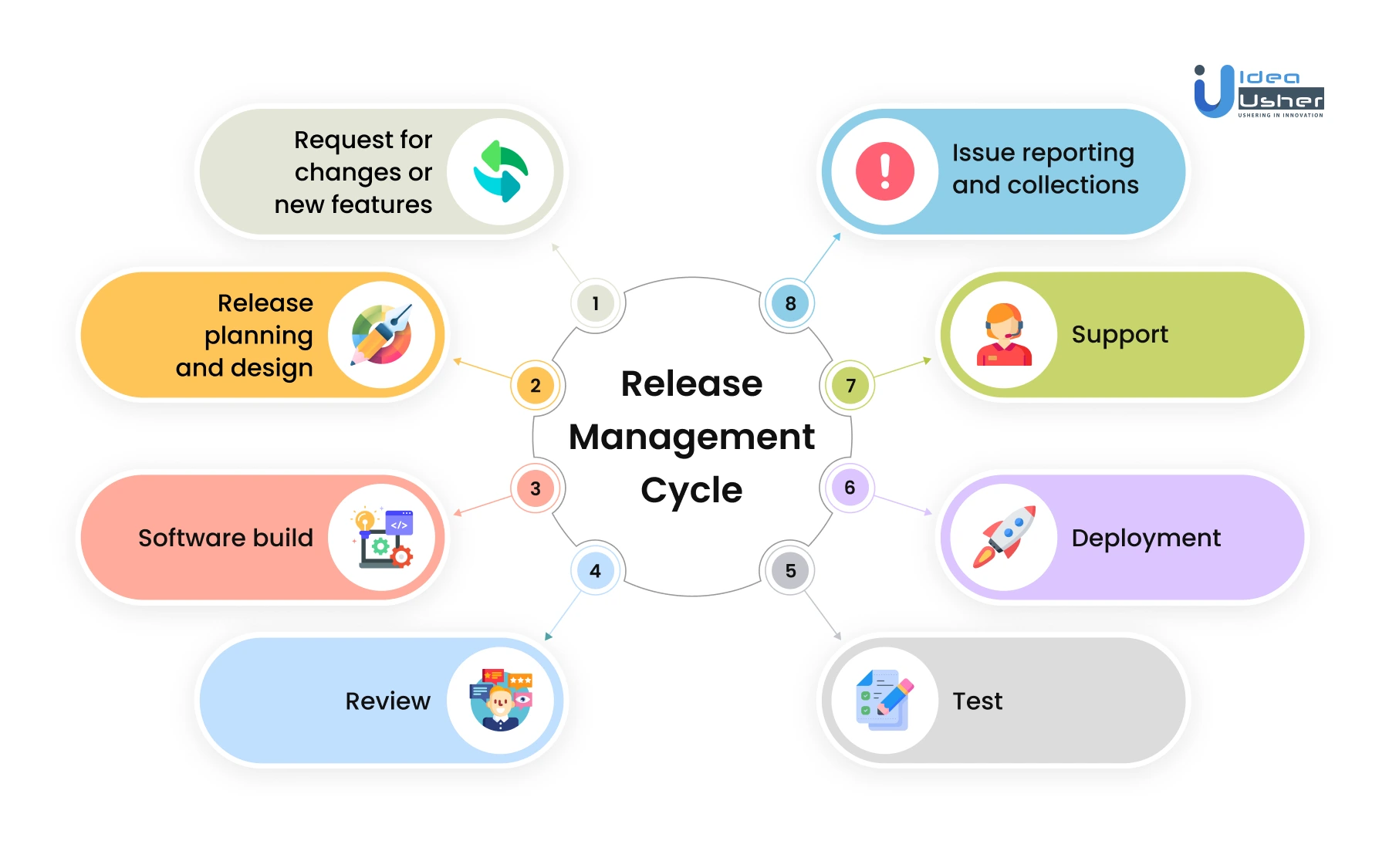
The holiday season often brings an array of commitments that can challenge one’s ability to maintain a balanced life. Managing work responsibilities while planning personal festivities requires a strategic approach. By implementing effective techniques, individuals can navigate their professional duties alongside their holiday plans, ensuring both spheres receive the attention they deserve.
Techniques for Managing Work Commitments Alongside Holiday Plans
To successfully balance work and holiday obligations, it is essential to adopt specific strategies that facilitate this dual focus. Prioritizing tasks and establishing a clear timeline for both work-related responsibilities and personal activities can significantly ease the pressure. The following techniques can assist in achieving a more harmonious balance:
- Set Clear Priorities: Identify crucial work tasks and personal commitments, and rank them based on urgency and importance. This structured approach aids in allocating appropriate time to each responsibility.
- Plan Ahead: Create a detailed calendar that incorporates both work deadlines and holiday events. This visual representation helps in avoiding last-minute conflicts and facilitates better time management.
- Utilize Technology: Leverage productivity tools and applications that can help track deadlines and remind you of important dates, ensuring that nothing falls through the cracks.
Communicating effectively with colleagues about your holiday schedule is essential in managing work commitments. It ensures that everyone is aware of your availability and can plan accordingly.
Strategies for Setting Boundaries to Protect Personal Time
Establishing boundaries between work and personal life is vital, especially during the holiday season. It enables individuals to enjoy their personal time without the intrusion of work-related stress. Implementing the following strategies can assist in this endeavor:
- Define Work Hours: Clearly Artikel your working hours and communicate them to your team. This helps set expectations regarding your availability and reinforces your personal time.
- Unplug from Work: Designate specific times to disconnect from work emails and calls, especially during social gatherings or family events. This practice fosters a more immersive holiday experience.
- Practice Saying No: Learn to decline additional work responsibilities or social engagements that may infringe on your personal time. Respecting your own limits is crucial for maintaining balance.
Importance of Communication with Colleagues About Holiday Schedules
Effective communication regarding holiday schedules is paramount in ensuring a smooth workflow during this festive period. Informing colleagues about your planned absences allows for better resource allocation and teamwork continuity. The following points highlight the significance of this communication:
- Promotes Team Collaboration: By being transparent about your time off, colleagues can adjust their workloads and collaborate effectively, thus minimizing disruptions.
- Avoids Misunderstandings: Clear communication helps prevent any potential miscommunication regarding deadlines and availability, fostering an environment of trust and respect.
- Encourages Support: When team members are aware of each other’s holiday schedules, they can offer assistance or cover during absences, ensuring that the workload is managed efficiently.
Effective time management during the holiday season hinges on the ability to balance personal and professional commitments through strategic planning and clear communication.
Setting Priorities
Establishing a clear set of priorities is essential for effective time management during the holiday season. With numerous tasks vying for attention, it becomes crucial to evaluate and rank these responsibilities to ensure that important activities are completed efficiently. By setting priorities, you can navigate the holiday whirlwind with ease and focus on what truly matters.One effective approach to managing tasks is to create a framework for evaluating and ranking holiday-related activities.
This framework helps distinguish between urgent and important tasks, ensuring that your time is allocated wisely. Understanding this distinction allows you to address pressing needs without losing sight of long-term goals.
Framework for Evaluating and Ranking Tasks
Developing a priority matrix can significantly aid in visualizing and organizing tasks. A priority matrix categorizes tasks based on their urgency and importance. Below are the steps for creating an effective priority matrix:
1. List All Tasks
Compile a comprehensive list of holiday-related tasks, including both personal and professional responsibilities.
2. Categorize Tasks
Divide tasks into four categories based on urgency and importance:
Important and Urgent
Tasks that require immediate attention and have significant consequences if not completed.
Important but Not Urgent
Tasks that are important for long-term success but do not require immediate action.
Urgent but Not Important
Tasks that demand immediate attention but do not contribute significantly to your goals.
Not Urgent and Not Important
Tasks that can be postponed or eliminated.
3. Visualize the Matrix
Create a simple two-by-two grid to visualize the categories. The horizontal axis represents urgency, while the vertical axis represents importance.
“The key is not to prioritize what’s on your schedule, but to schedule your priorities.” – Stephen Covey
By employing this priority matrix, you can easily identify which tasks to tackle first, helping streamline your holiday planning. This method allows a clear focus on high-impact tasks while preventing overwhelm by minimizing time spent on less critical activities.
Distinguishing Between Urgent and Important Tasks
Understanding the difference between urgent and important tasks is vital for effective time management. Urgent tasks are those that require immediate action, often driven by external pressures, while important tasks contribute to long-term objectives and values. To better manage your responsibilities, consider the following tips:
Identify Core Goals
Establish your essential objectives for the holiday season. This could include family gatherings, gift shopping, or completing work projects before the year-end.
Assess Deadlines
Determine which tasks have deadlines that cannot be missed. Urgent tasks typically fall within this category.
Reflect on Values
Prioritize tasks that resonate with your personal values and contribute to your well-being, even if they are not urgent.
Delegate When Possible
Recognize tasks that can be delegated to others, thereby freeing up time for more important responsibilities.By applying these principles, you can maintain greater control over your holiday activities and ensure that your time is spent on meaningful tasks that align with your priorities.
Utilizing Tools and Resources
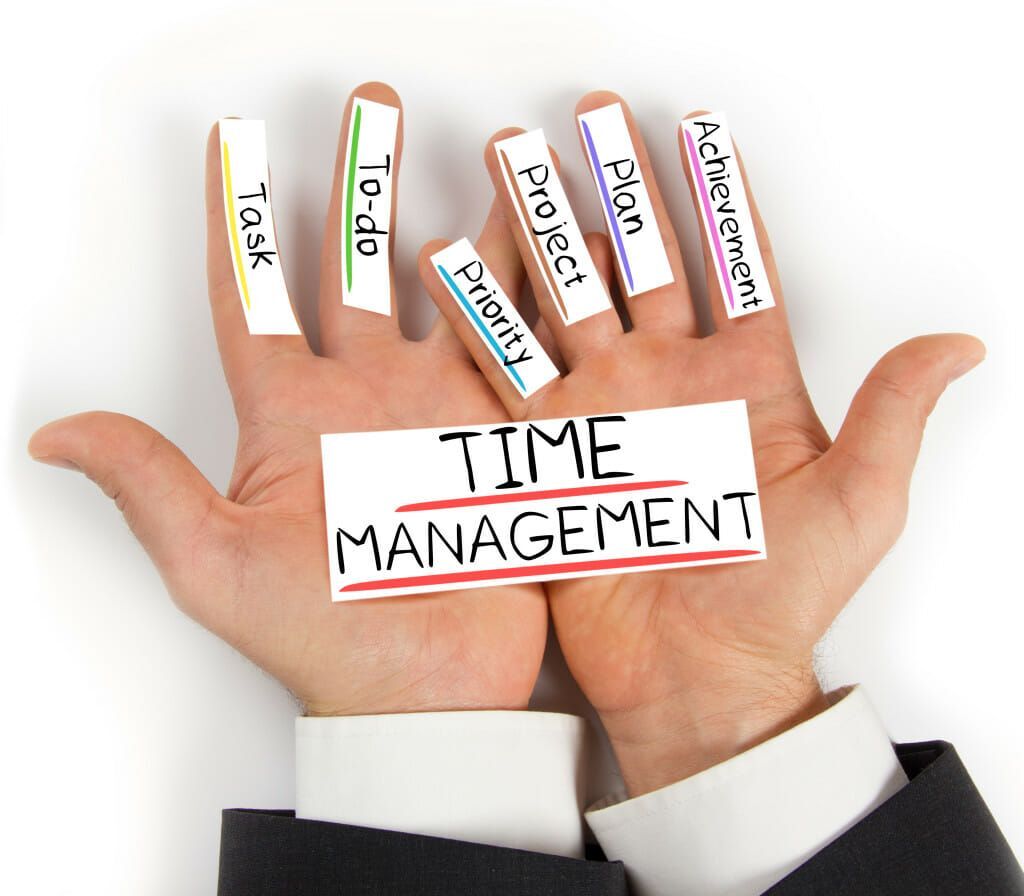
The effective management of time during the holiday season can significantly enhance the overall experience, allowing for a balance between personal and professional responsibilities. Utilizing the right tools and resources is essential for achieving this balance, as they can streamline planning, organization, and prioritization.The integration of digital tools and physical planners can provide comprehensive support in managing time. Digital applications offer features that can help keep track of tasks and events, while physical planners provide a tactile approach that many find beneficial.
Each method has its distinct advantages, which can cater to varying preferences and needs.
Digital Tools and Apps for Time Management
In today’s digital era, various applications can assist in organizing tasks and managing time effectively during the holiday season. These tools often come equipped with features such as reminders, shared calendars, and task lists that enhance collaboration and individual productivity. Here are some popular digital tools for time management:
- Todoist: A task management app that allows users to create tasks, set deadlines, and prioritize them efficiently.
- Google Calendar: A versatile calendar application that enables scheduling of events, setting reminders, and sharing calendars with others.
- Trello: A project management app that uses boards, lists, and cards to organize tasks visually, which can be particularly helpful for group projects.
- Evernote: A note-taking application that assists in organizing thoughts and ideas, making it easier to plan holiday activities or work responsibilities.
- Microsoft To Do: A simple to-do list app that integrates with Microsoft 365, perfect for managing tasks and deadlines across devices.
Benefits of Using a Physical Planner or Bullet Journal
While digital solutions are immensely beneficial, many individuals find that physical planners or bullet journals offer unique advantages. These tools encourage mindfulness and provide a sense of accomplishment through the act of writing. Below are some key benefits of utilizing a physical planner:
- Enhanced Focus: Writing tasks down can improve focus and retention, leading to better time management.
- Creativity: Bullet journals allow for personalization through creative layouts, which can inspire users to engage more with their planning process.
- No Distractions: Unlike digital devices, physical planners are free from notifications and distractions, allowing for a more concentrated planning session.
- Reflection: Many users appreciate the ability to visually track progress and reflect on past activities, which can enhance future planning.
Comparison of Time Management Tools
When selecting a time management tool, it is beneficial to understand the differences between various options available. The following table presents a comparison of digital tools and physical planners, highlighting their features, benefits, and ideal usage scenarios:
| Tool Type | Examples | Key Features | Best For |
|---|---|---|---|
| Digital Tools | Todoist, Google Calendar, Trello | Task reminders, collaboration features, integration with other apps | Tech-savvy individuals who prefer digital solutions |
| Physical Planners | Bullet journals, daily planners | Tactile planning, personalization, creative expression | Individuals seeking a distraction-free and mindful planning approach |
By utilizing both digital tools and physical planners, individuals can create a balanced approach to time management that suits their personal preferences and productivity styles.
Managing Stress and Overwhelm
The holiday season, while joyful and celebratory, often brings about an increase in stress and feelings of overwhelm. Recognizing the signs of holiday stress is crucial for maintaining well-being during this busy time. By employing effective coping techniques and practicing mindfulness, individuals can navigate the season with greater ease. This section discusses strategies for identifying stressors, mindfulness practices for enhancing focus, and the importance of setting aside dedicated time for self-care amidst the holiday bustle.
Recognizing Signs of Holiday Stress and Coping Techniques
Understanding the indicators of stress is essential for effective management. Common signs include irritability, fatigue, and difficulty concentrating. Recognizing these symptoms early allows for timely intervention. Coping techniques can include:
- Deep Breathing: Engaging in deep breathing exercises can help lower stress levels. Inhale deeply through the nose, hold for a few seconds, and exhale slowly through the mouth.
- Physical Activity: Regular exercise, such as walking or yoga, releases endorphins, which are natural stress relievers.
- Journaling: Writing down thoughts and feelings can provide clarity and help process emotions associated with holiday stress.
- Social Support: Connecting with friends or family can alleviate feelings of isolation and provide a sense of community.
Mindfulness Practices for Focus and Anxiety Reduction
Mindfulness practices cultivate awareness and presence, reducing anxiety and enhancing focus. Techniques include:
- Meditation: Spending a few minutes each day in meditation fosters a calm mind. Focus on your breath or use guided meditations available through various apps.
- Mindful Eating: During holiday meals, practice mindful eating by savoring flavors and textures, which can enhance enjoyment and reduce stress around food-related pressures.
- Gratitude Journaling: Maintaining a gratitude journal fosters a positive mindset. Write down three things you are grateful for each day to shift focus from stressors to positives.
- Nature Walks: Engaging with nature through walks can help recharge mental energy and provide a peaceful retreat from holiday chaos.
Creating Designated Self-Care Time in a Busy Schedule
Prioritizing self-care during the holiday season is vital for emotional and mental health. Here are steps to incorporate self-care into a packed schedule:
- Schedule Self-Care: Treat self-care like an important appointment. Block out specific times in your calendar for activities that recharge you.
- Set Boundaries: Learn to say no to additional commitments that may lead to overwhelm. Protect your time by prioritizing essential obligations.
- Incorporate Short Breaks: Integrate short breaks throughout the day, even if just for a few minutes, to step back and reset.
- Engage in Enjoyable Activities: Dedicate time to hobbies or activities that bring joy, such as reading, baking, or crafting.
Flexibility and Adaptability
In the hustle and bustle of the holiday season, the ability to remain flexible and adaptable can significantly influence your overall experience. Plans may not always unfold as anticipated, and the ability to adjust can alleviate stress and enhance enjoyment. Being prepared to pivot when necessary allows for better management of time and resources, ultimately leading to a more fulfilling holiday experience.The importance of flexibility during the holidays cannot be overstated.
With various commitments, including family gatherings, work obligations, and social events, unexpected changes often arise. For instance, an inclement weather forecast could alter travel plans, or a last-minute invitation might clash with previously scheduled family activities. In such instances, having a mindset geared towards adaptability can facilitate smoother transitions and reduce frustration.
Adjusting Plans for Unexpected Changes
When faced with unexpected changes, it is essential to have strategies in place to adjust your plans effectively. The following steps can guide you through the process of adaptation:
- Reassess Priorities: Begin by reviewing your current commitments. Determine which activities are essential and which can be postponed or delegated. This reassessment allows for a clearer focus on what is most important during the holiday season.
- Communicate Changes: If changes affect others, communicate them promptly. For example, if a gathering needs to be rescheduled due to unforeseen circumstances, inform attendees as soon as possible to allow them to adjust their plans accordingly.
- Embrace Alternatives: Have backup options prepared. If a planned event is canceled, consider alternative ways to celebrate, such as hosting a virtual gathering or organizing a small get-together with close friends or family.
- Stay Positive: Maintaining a positive attitude can transform unexpected changes into opportunities for creativity and new experiences. Instead of lamenting canceled plans, look for ways to enjoy the time you have available.
Flexibility not only involves adjusting plans but also encompasses maintaining a balance between personal and professional responsibilities. It is essential to remain open to changes while ensuring that key tasks and obligations are managed effectively. Utilizing tools such as calendars and task management applications can help keep track of shifting priorities while allowing for the necessary flexibility in your schedule.
In conclusion, being adaptable is a crucial skill during the holiday season. Embracing unexpected changes and adjusting plans accordingly can lead to more meaningful experiences and a greater sense of satisfaction. Remember that the holidays are about connection and joy, and cultivating a flexible mindset can help you navigate the complexities that may arise.
Reflecting and Adjusting
Reflecting on your time management practices during the holiday season is essential for continuous improvement. Taking the time to assess what strategies and approaches worked well, as well as identifying areas of difficulty, can greatly enhance your effectiveness for future holiday seasons. This reflection process not only fosters personal growth but also establishes a more structured framework for planning ahead.Evaluating time management effectiveness after the holidays allows one to understand the impact of their planning efforts.
It is crucial to recognize what aspects of your time management were productive and which ones fell short. This self-assessment can be conducted through various methods, such as journaling or feedback sessions with family members or colleagues who were part of your holiday planning.
Methods for Evaluation
In order to assess your time management effectiveness, consider utilizing the following structured approach:
1. Journaling
Maintain a holiday journal throughout the season, documenting daily successes and challenges. After the holidays, review these entries to identify patterns and insights.
2. Feedback from Others
Engage in conversations with family and friends to get their perspectives on how well the holiday planning and time management went. Be open to constructive criticism.
3. Goal Tracking
Compare the goals you set before the holiday season with the outcomes achieved. This comparison can illuminate discrepancies and reveal areas needing adjustment.
Setting New Goals
Based on the reflections from your evaluation, it is vital to set informed goals for the upcoming holiday season. This structured goal-setting process can be broken down as follows:
Identify Key Takeaways
From your evaluation, pinpoint the most significant insights that can inform your future planning. Focus on both the successes and the missteps.
SMART Goals
Create Specific, Measurable, Achievable, Relevant, and Time-bound goals. For instance, if you found that shopping took too long last year, a goal could be to complete all holiday shopping by a specific date.
Action Plan Development
Develop an action plan detailing the steps necessary to achieve these goals. Assign deadlines and accountability measures to ensure follow-through.
“Reflection is the key to learning from our experiences, guiding us toward more efficient practices in the future.”
This structured reflection and adjustment process will enable you to enter the next holiday season with increased confidence and improved time management skills. By applying the lessons learned from past experiences, you can create a more joyful and organized holiday environment for yourself and your loved ones.
Summary
In conclusion, mastering time management during the holiday season is not just about completing tasks but also about creating meaningful moments. By reflecting on past experiences and adjusting plans as necessary, individuals can cultivate a sense of accomplishment and joy. Embracing flexibility and utilizing effective tools will empower everyone to celebrate the holidays without the burden of stress, ensuring that the season remains bright and enjoyable.