In today’s increasingly digital world, mastering the art of remote work is essential for achieving both personal and professional success. Understanding How to Manage Your Time While Working Remotely can significantly enhance productivity while promoting a healthy work-life balance. This guide explores the key elements of effective time management, from creating a conducive workspace to implementing practical techniques that can help you stay organized and focused.
As remote work becomes a staple in many industries, it is crucial to recognize the common challenges faced by workers in this setting. This discussion will equip you with strategies to navigate distractions, prioritize tasks, and develop routines that foster efficiency, ultimately leading to a more fulfilling remote work experience.
Importance of Time Management While Working Remotely
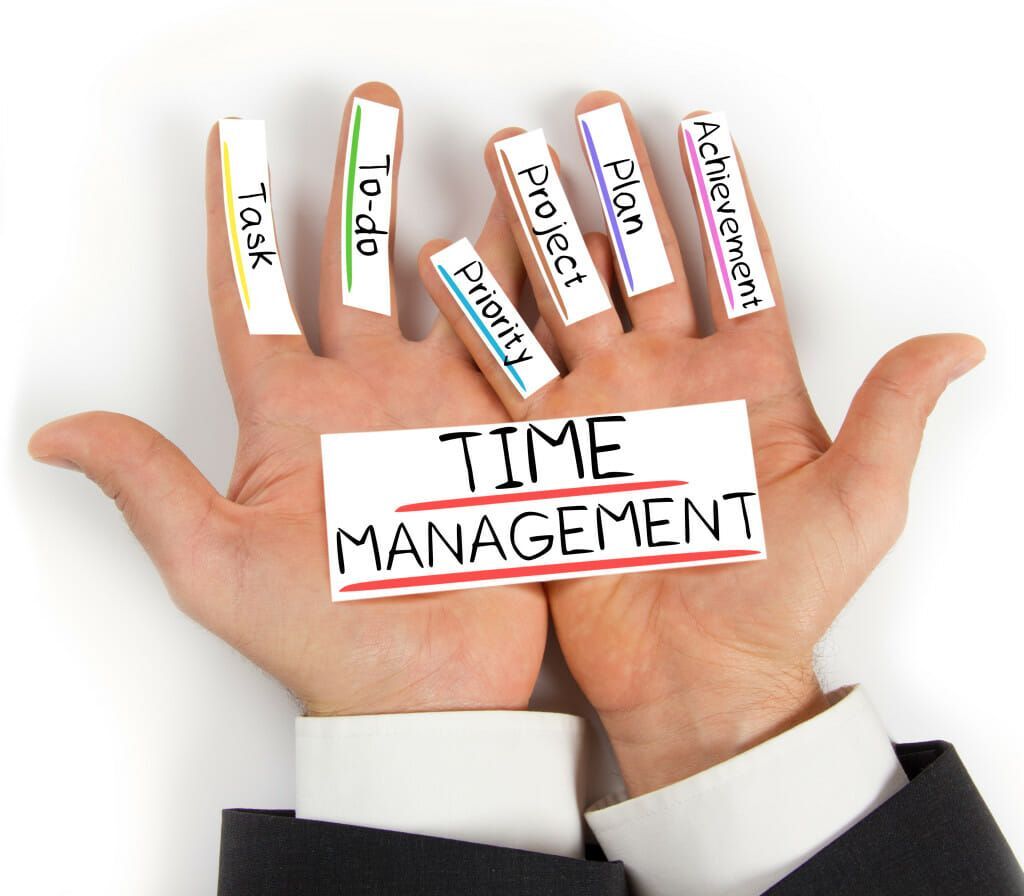
Effective time management is crucial in a remote work environment where distractions abound and the lines between personal and professional life can easily blur. The ability to organize tasks, prioritize responsibilities, and allocate time wisely not only enhances productivity but also fosters a healthy work-life balance. As remote workers navigate their daily tasks, mastering these time management skills becomes essential to achieving their professional objectives and maintaining overall well-being.In a remote setting, the potential for increased flexibility can lead to both opportunities and challenges.
Effective time management plays a pivotal role in maximizing productivity, as remote workers often face various hurdles that can disrupt their workflow. Understanding these challenges is key to developing strategies that promote efficiency and balance.
Impact of Time Management on Productivity and Work-Life Balance
The relationship between effective time management and productivity is well-established. When remote workers manage their time efficiently, they can accomplish more in less time, leading to higher output. This increased productivity positively impacts work-life balance, allowing individuals to dedicate time to personal interests and family commitments outside of work.Several factors contribute to the effectiveness of time management in a remote work environment:
- Establishing a Routine: Having a consistent daily schedule helps remote workers delineate work hours from personal time, creating a structured environment conducive to productivity.
- Setting Clear Goals: Defining specific, measurable goals enables workers to focus on priority tasks and minimize distractions, ultimately enhancing their efficiency.
- Utilizing Technology: Leveraging tools and applications designed for time tracking can help remote workers stay organized and accountable for their tasks.
- Taking Regular Breaks: Incorporating short breaks into the workday can reduce burnout and improve concentration, leading to better overall performance.
“Effective time management is not about getting more done in less time; it’s about getting the right things done.”
Common challenges that remote workers encounter in managing their time include distractions from household responsibilities, lack of a structured environment, and the temptation to work beyond designated hours. These factors can lead to decreased productivity and increased stress if not addressed effectively.By recognizing the importance of time management and implementing targeted strategies, remote workers can enhance their productivity while maintaining a healthy work-life balance, ultimately leading to greater job satisfaction and personal well-being.
Setting Up a Productive Remote Workspace
Creating a productive remote workspace is essential for maximizing efficiency and maintaining focus while working from home. A well-designed workspace can significantly reduce distractions, enhance comfort, and promote better work habits. This section Artikels the key elements to consider when setting up your remote work environment, along with practical tips for organizing it effectively.
Essential Elements for Creating a Distraction-Free Workspace
A distraction-free workspace is vital for maintaining concentration and productivity. A few essential elements include:
- Designated Area: Choose a specific area in your home dedicated solely to work. This physical separation helps signal to your brain that it is time to focus.
- Ergonomic Furniture: Invest in an ergonomic chair and desk that promote good posture and comfort, reducing the risk of physical strain during long working hours.
- Proper Lighting: Ensure your workspace is well-lit, utilizing natural light where possible. Task lighting can also be beneficial for reducing eye strain.
- Minimal Clutter: Keep your desk organized and free from unnecessary items. A clean workspace can reduce distractions and enhance mental clarity.
Tips on Organizing Your Workspace for Efficiency
The organization of your workspace can profoundly influence your productivity levels. Implementing the following tips can help streamline your work process:
- Organizational Tools: Utilize folders, trays, and desk organizers to categorize and store documents and tools. This not only saves time but also minimizes the chances of losing important materials.
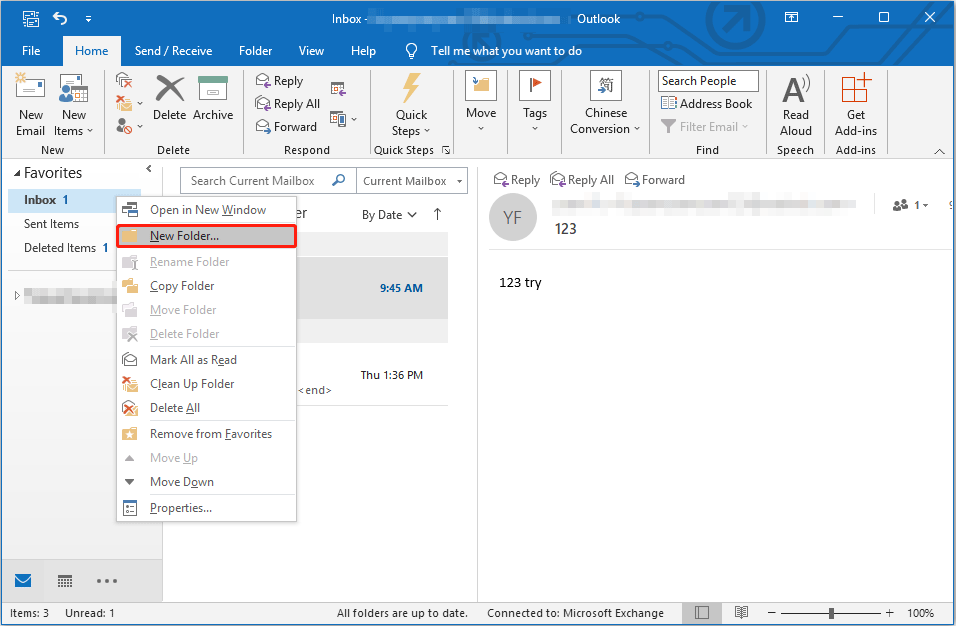
- Digital Organization: Keep your computer desktop uncluttered by organizing files into clearly labeled folders. Use productivity apps to manage tasks and deadlines.
- Personal Touch: Add personal items, such as photos or plants, to create a comfortable and inviting atmosphere. A pleasant environment can improve morale and motivation.
- Time Management Tools: Implement calendars and time-tracking apps to manage your schedule effectively. Tools like Trello or Asana can help you prioritize tasks and deadlines.
Examples of Tools that Enhance Productivity in a Remote Setting
Integrating technology into your remote workspace can significantly enhance your productivity. Consider the following tools that are widely recognized for their effectiveness:
- Zoom or Microsoft Teams: Essential for virtual meetings and collaboration with colleagues, allowing for seamless communication regardless of location.
- Slack: A messaging platform that facilitates real-time communication, helping teams to stay connected and organized while working remotely.
- Notion: A versatile tool that combines note-taking, task management, and project planning into one platform, making it easy to collaborate and stay on track.
- Focus@Will: An application that provides music and soundscapes designed to improve focus and productivity, tailored to individual preferences.
“A well-structured remote workspace fosters a focused mindset, making work more efficient and enjoyable.”
Establishing a Daily Routine
Creating a structured daily routine is paramount for anyone working remotely. A well-defined schedule not only enhances productivity but also fosters a sense of normalcy and balance amidst the distractions of a home environment. By establishing a routine, remote workers can better manage their time, reduce stress, and maintain a clear separation between work and personal life.A structured daily schedule brings numerous benefits.
Firstly, it helps in setting clear boundaries for work hours, making it easier to focus on tasks at hand. Secondly, it allows for better time allocation and prioritization of tasks, reducing procrastination. Lastly, having a routine can enhance motivation and ensure that daily goals are met, leading to increased job satisfaction and productivity.
Sample Daily Routine for Remote Workers
Implementing a sample daily routine can provide guidance for those seeking to optimize their time management while working from home. Below is an example of a typical day for remote workers:
| Time | Activity |
|---|---|
| 8:00 AM – 8:30 AM | Morning Coffee and Planning: Review daily goals and priorities. |
| 8:30 AM – 10:00 AM | Focused Work Session: Complete top priority tasks without interruptions. |
| 10:00 AM – 10:15 AM | Break: Stretch and step outside for fresh air. |
| 10:15 AM – 12:00 PM | Collaboration: Engage in meetings or collaborative projects with teammates. |
| 12:00 PM – 1:00 PM | Lunch Break: Take a proper break away from the workspace. |
| 1:00 PM – 3:00 PM | Focused Work Session: Work on less urgent but important tasks. |
| 3:00 PM – 3:15 PM | Break: Short break to recharge. |
| 3:15 PM – 5:00 PM | Wrap-up Tasks: Review progress, respond to emails, and finalize daily work. |
This structured routine serves as a framework that can be adjusted to fit individual preferences and obligations. It emphasizes the importance of balancing focused work sessions with breaks and collaboration.
Key Components of a Daily Work Routine
In crafting an effective daily routine, several key components should be considered to ensure a productive workday. These elements play a crucial role in time management and enhancing overall efficiency.To facilitate a comprehensive understanding, the following key components are essential:
- Set Consistent Start and End Times: Establishing regular work hours helps create a disciplined approach to the workday.
- Incorporate Breaks: Regular breaks are vital for maintaining focus and avoiding burnout; they contribute to improved concentration upon returning to tasks.
- Prioritize Tasks: Identifying and tackling high-priority tasks first can set a productive tone for the day.
- Limit Distractions: Creating an environment that minimizes distractions is essential for maintaining focus and efficiency.
- Allocate Time for Communication: Scheduling specific times for emails and meetings prevents interruptions during focused work periods.
Implementing these components into a daily routine not only allows for better time management but also significantly enhances the quality of work produced by remote workers. By following a structured daily routine, individuals can navigate the challenges of remote work more effectively, leading to a more fulfilling professional experience.
Utilizing Time Management Techniques
Effective time management is pivotal in enhancing productivity, especially when working remotely. Various techniques can help individuals optimize their schedules and maintain focus amid potential distractions. By understanding and implementing these techniques, remote workers can foster a structured work environment that promotes efficiency and reduces stress.One popular method for managing time effectively is the Pomodoro Technique, which involves breaking work into intervals, traditionally 25 minutes in length, followed by short breaks.
This technique encourages sustained concentration while providing necessary rest periods. Additionally, time blocking is another effective strategy where specific blocks of time are allocated for different tasks, allowing for a clear focus on one activity at a time.
Overview of Time Management Techniques
It is essential to consider the strengths and weaknesses of various time management techniques to determine which method best aligns with individual working styles. Below is a table comparing different methods, highlighting their pros and cons.
| Technique | Pros | Cons |
|---|---|---|
| Pomodoro Technique |
|
|
| Time Blocking |
|
|
| Getting Things Done (GTD) |
|
|
Utilizing these time management techniques can significantly improve productivity while working remotely. By selecting and adapting the most suitable method, individuals can cultivate a more organized and efficient work environment.
Tools and Applications for Time Management
In the realm of remote work, effective time management becomes essential for maintaining productivity and achieving work-life balance. Various tools and applications have emerged to assist individuals in tracking their time and managing tasks efficiently. By leveraging these resources, remote workers can enhance their focus, streamline their workflows, and optimize their daily routines.
Essential Apps and Tools for Time Tracking and Task Management
Numerous applications are available to support time management efforts. When selecting the right tools, it is important to consider features that enhance usability and functionality. Below is a selection of recommended applications for effective time tracking and task management:
- Trello: A versatile project management tool that allows users to organize tasks on boards, facilitating collaboration and visual tracking of project progress.
- Asana: A robust task management app that helps teams coordinate work, set deadlines, and monitor task completion status through intuitive dashboards.
- RescueTime: A time-tracking application that runs in the background, providing insights into how time is spent across applications and websites, helping users identify productivity patterns.
- Todoist: A task management tool that enables users to create to-do lists, set priorities, and organize tasks with deadlines, fostering better task organization.
- Focus@Will: A productivity music app designed to enhance concentration by providing scientifically optimized playlists tailored to focus.
Features to Look for in Time Management Software
When choosing time management software, it is vital to identify features that will best support productivity goals. The following characteristics are essential for effective time management applications:
- User-friendly interface: A simple and intuitive design ensures that users can navigate the application with ease, minimizing the learning curve.
- Time tracking capabilities: The ability to start and stop timers or log hours manually allows for accurate tracking of work hours spent on various tasks.
- Reporting and analytics: Detailed reports and analytics provide insights into productivity levels and time allocation, facilitating informed decision-making.
- Collaboration features: Tools that promote collaboration, such as shared task lists and project boards, enhance teamwork and communication among remote workers.
- Integration options: Compatibility with other applications (e.g., calendar apps, email clients) allows for seamless workflow management and reduces the need to switch between multiple platforms.
Integrating Tools into Daily Work Habits
Integrating time management tools into daily work habits is crucial for maximizing their effectiveness. Establishing a consistent routine around the use of these tools can significantly boost productivity. Here are strategies for effectively incorporating these applications into daily workflows:
- Daily planning sessions: Setting aside time each morning to review tasks and priorities in your chosen application can create a clear roadmap for the day.
- Regular time audits: Periodically reviewing time tracking data from apps like RescueTime can help identify areas for improvement and adjust work habits accordingly.
- Utilizing task reminders: Setting reminders for critical tasks within task management software can aid in maintaining focus and preventing important deadlines from being overlooked.
- Adopting time blocking techniques: Using calendar integrations to block out dedicated time for specific tasks can enhance focus and create a structured work environment.
- Engaging in team check-ins: Regularly utilizing collaboration features in tools like Asana and Trello to facilitate team updates fosters accountability and ensures alignment on project goals.
Prioritizing Tasks Effectively
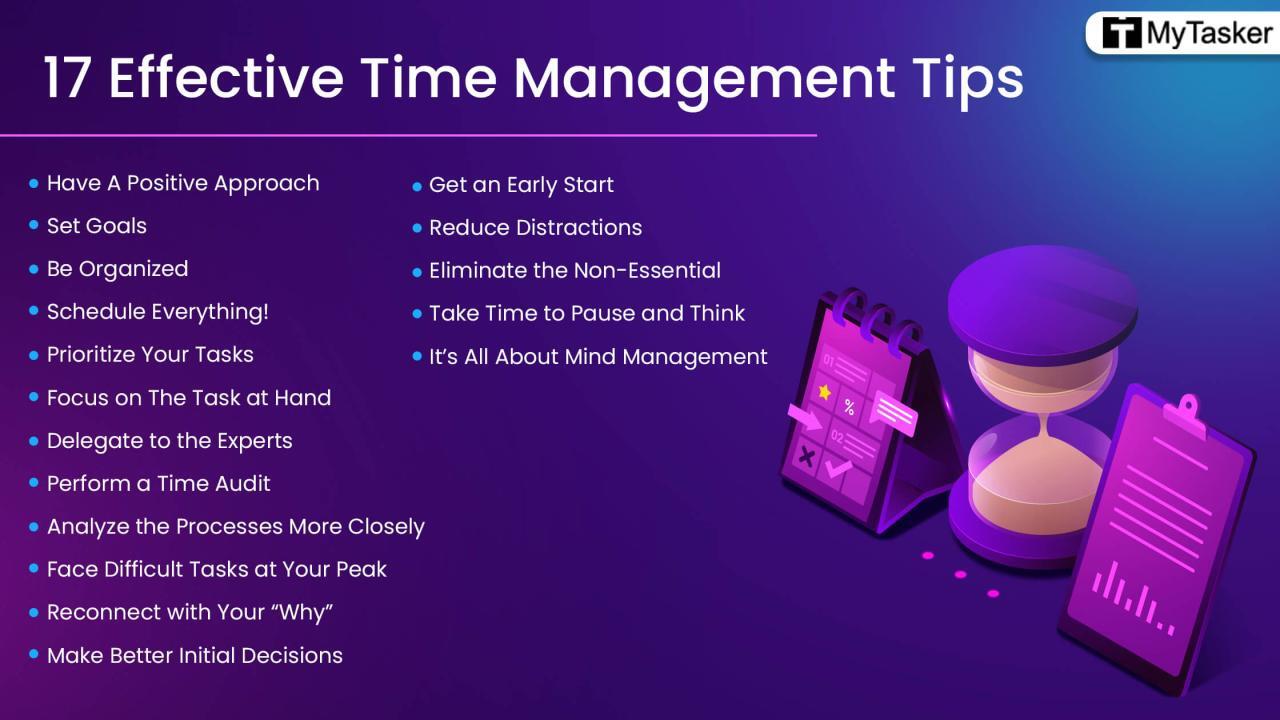
In the realm of remote work, effective task prioritization is crucial for maximizing productivity and ensuring that essential responsibilities are met promptly. With the absence of a traditional office environment, distractions can easily proliferate, making it imperative to establish a clear system for determining which tasks hold the greatest urgency and significance. Understanding the distinction between urgent and important tasks is essential in managing your time effectively.
Urgent tasks demand immediate attention and often arise from pressing deadlines, while important tasks contribute to long-term goals and overall success but may not require immediate action. A well-defined framework for prioritization can help streamline your workflow and focus your efforts on what truly matters.
Framework for Identifying Urgent vs. Important Tasks
The Eisenhower Matrix serves as an effective tool for classifying tasks based on their urgency and importance. This matrix divides tasks into four quadrants:
Quadrant 1
Urgent and Important (Do these tasks immediately)
Quadrant 2
Important but Not Urgent (Schedule these tasks)
Quadrant 3
Urgent but Not Important (Delegate these tasks if possible)
Quadrant 4
Neither Urgent nor Important (Eliminate or minimize these tasks)Utilizing this framework allows remote workers to visualize their responsibilities and prioritize them systematically.Prioritizing tasks efficiently involves a variety of strategies that can enhance productivity and minimize stress. The following list encapsulates valuable methods for effective task prioritization:
- Make a Daily Task List: Start each day by compiling a list of tasks, helping to clarify what needs to be accomplished.
- Use the ABCDE Method: Assign letters to tasks based on their priority level, with ‘A’ being the highest priority and ‘E’ the lowest.
- Set Clear Deadlines: Establish specific deadlines for each task to create a sense of urgency and accountability.
- Break Tasks into Smaller Steps: Divide larger tasks into manageable steps to avoid feeling overwhelmed and to track progress easily.
- Review and Adjust Priorities Regularly: Reflect on your priorities at the end of each week and adjust them as necessary to stay aligned with your goals.
- Limit the Number of Tasks per Day: Focus on a select number of high-priority tasks to maintain quality and avoid burnout.
- Utilize Visual Tools: Use digital tools or physical boards to map out tasks visually, which can aid in better organization and prioritization.
Managing Distractions While Working Remotely

In a remote work environment, distractions can significantly hinder productivity and focus. Understanding the common distractions and implementing effective strategies to manage them is essential for maintaining a high level of efficiency while working from home.Remote workers often face a myriad of distractions that can disrupt their workflow. These distractions can range from household chores and family members to digital interruptions such as notifications and social media.
The impact of these distractions can lead to decreased productivity, increased stress, and difficulty in completing tasks on time. Below are key distractions frequently encountered by remote workers and their effects.
Common Distractions in Remote Work Environments
Identifying distractions is the first step towards managing them effectively. Some of the most common distractions faced by remote workers include:
- Family and Household Responsibilities: Tasks such as cooking, cleaning, and childcare can easily divert attention away from work duties.
- Technology and Digital Interruptions: Notifications from emails, social media, and messaging apps can disrupt the focus and flow of work.
- Personal Habits: Activities like frequent breaks, snack runs, or television can lead to extended periods away from productive work.
- Environment: Noisy surroundings or unorganized workspaces can create challenges in concentrating on tasks.
Establishing techniques to minimize or eliminate these distractions is crucial for creating a conducive work environment.
Techniques to Minimize Distractions
Implementing effective strategies can help in reducing distractions significantly. Below are some practical techniques that remote workers can adopt to enhance their concentration:
- Create a Dedicated Workspace: Designate a specific area in your home solely for work. Ensure this space is free from distractions and equipped with all necessary tools.
- Establish Boundaries: Communicate your work hours to family and friends to minimize interruptions. Use signals, such as a closed door or a specific clothing item, to indicate when you are working.
- Utilize Focus Techniques: Techniques like the Pomodoro Technique can enhance focus by encouraging short, concentrated periods of work followed by brief breaks.
- Limit Digital Distractions: Turn off non-essential notifications on devices, and consider using apps that block distracting websites during work hours.
Setting boundaries with family and friends during work hours plays a vital role in maintaining focus and productivity.
Setting Boundaries with Family and Friends
One of the challenges of working remotely is the blurred lines between personal and professional time. To ensure a productive workday, it is essential to establish clear boundaries. This can involve:
- Communicating Work Hours: Clearly communicate your availability to family and friends, indicating when you are not to be disturbed.
- Using Visual Cues: Consider using visual indicators, such as a sign on your door, to signal when you are in work mode.
- Creating a Schedule: Share your work schedule with those at home, so they are aware of when you need to focus without interruptions.
By recognizing potential distractions and implementing strategies to manage them, remote workers can create a more productive work environment. Emphasizing the importance of boundaries and maintaining a structured routine will foster greater focus and efficiency in daily tasks.
Balancing Work and Personal Life
Maintaining a healthy work-life balance while working remotely is essential for overall well-being and productivity. The blurred lines between professional and personal spaces can often lead to stress and burnout if not appropriately managed. Implementing strategies to create boundaries and encourage downtime is vital for sustaining both mental and physical health.Creating a balance between work and personal life involves intentional strategies that help define the boundaries between the two.
Establishing clear work hours and personal time is critical in ensuring that neither aspect encroaches on the other. Here are several strategies for achieving this balance:
Setting Boundaries for Work and Personal Time
It is important to set clear boundaries to separate work from personal life. This can be achieved through several effective practices:
- Designate a Workspace: Establishing a specific area in your home dedicated to work helps reinforce the mental separation between work and personal life.
- Define Work Hours: Clearly Artikel your working hours and communicate these to colleagues and family members to foster a mutual understanding of your availability.
- Use Technology Wisely: Limit notifications from work-related applications outside of working hours to reduce the temptation to engage in work-related tasks.
- Plan Personal Activities: Schedule regular personal activities or leisure time in your calendar as you would for meetings to ensure you prioritize personal well-being.
Additionally, it is essential to recognize the importance of regular breaks throughout the workday. Frequent breaks not only enhance productivity but also contribute to mental clarity and focus. Here are some key considerations regarding breaks and downtime:
The Importance of Regular Breaks and Downtime
Incorporating regular breaks into your daily routine is crucial for maintaining productivity and overall health. Below are points highlighting the significance of taking breaks and allowing yourself time to recharge:
- Enhances Focus: Taking short breaks can improve concentration and allow for better retention of information.
- Reduces Stress: Stepping away from work tasks helps to alleviate stress and prevent burnout, leading to a healthier work experience.
- Encourages Creativity: Downtime can spark creativity and lead to new ideas, as it allows the mind to wander and make connections outside of work tasks.
- Promotes Physical Health: Regularly getting up to stretch or walk around combats the negative effects of prolonged sitting, contributing to better physical health.
Implementing these strategies, combined with a commitment to establishing boundaries, can promote a more balanced and fulfilling remote working experience. It is through these practices that individuals can create a sustainable work-life balance, ultimately leading to enhanced productivity and well-being.
Continuous Improvement in Time Management
Reflecting on and adjusting time management strategies is crucial for maintaining productivity in a remote work environment. As work dynamics evolve and personal circumstances change, the effectiveness of existing time management practices may fluctuate. Therefore, engaging in continuous improvement allows individuals to adapt to new challenges and optimize their workflows consistently.Assessing the effectiveness of current time management practices involves a systematic approach to evaluate what is working and what needs enhancement.
This can be achieved by tracking time spent on tasks, identifying bottlenecks, and obtaining feedback from peers or supervisors. Such assessments can provide insights that lead to informed adjustments in one’s approach to time management.
Methods for Assessing Time Management Effectiveness
To ensure that time management techniques remain relevant and effective, it is beneficial to employ various methods for assessment. These methods can help identify areas for improvement and facilitate better time utilization. Here are some reliable methods to consider:
- Time Tracking Tools: Utilizing software applications such as Toggl or Clockify can help individuals monitor how much time is spent on specific tasks. Analyzing this data allows for the identification of time-wasting activities.
- Weekly Reflections: Setting aside time each week to reflect on achievements and challenges can provide insights into what strategies worked well and what did not. This practice fosters a proactive mindset toward adjusting time management approaches.
- Goal Review Sessions: Regularly reviewing personal and professional goals helps maintain focus and ensure that time management practices align with larger objectives.
- Feedback Mechanisms: Seeking input from colleagues or mentors can uncover blind spots in one’s time management strategy. Constructive feedback can provide new perspectives and recommendations for improvement.
A structured framework for setting new time management goals periodically is essential for sustained progress. This framework encourages individuals to set realistic, measurable, and time-bound objectives that evolve with their personal and professional demands.
Framework for Setting Time Management Goals
Establishing a systematic approach to time management goal setting can significantly enhance productivity. Consider the following steps in creating an effective goal-setting framework:
- SMART Goals: Goals should be Specific, Measurable, Achievable, Relevant, and Time-bound. This ensures clarity and feasibility in achieving desired outcomes.
- Quarterly Reviews: Conducting goal assessments every three months allows for timely adjustments and realignment with changing circumstances.
- Focus on Continuous Learning: Incorporating opportunities for learning—such as attending workshops or webinars—can improve time management skills and introduce new techniques.
- Celebrate Milestones: Recognizing and celebrating the achievement of time management goals reinforces positive behavior and motivates continued efforts toward improvement.
By implementing these assessment methods and goal-setting frameworks, individuals can ensure that their time management practices remain effective and aligned with their evolving needs while working remotely.
Wrap-Up
In conclusion, effectively managing your time while working remotely is not merely about productivity; it is about cultivating a balanced lifestyle that allows you to thrive both professionally and personally. By implementing the strategies discussed, you can overcome challenges, enhance your focus, and create a structure that supports your goals. Embrace these techniques and watch as your remote work experience transforms into a rewarding journey of success and satisfaction.