How to Politely End a Conversation That’s Taking Too Long is an essential skill that many find challenging. In our fast-paced world, conversations can sometimes stretch beyond their intended duration, leading to discomfort for all parties involved. Understanding when and how to gracefully conclude a dialogue not only preserves relationships but also enhances communication efficiency.
This guide will explore the reasons behind lengthy conversations, the emotional toll they can take, and provide practical strategies for ending discussions courteously. By delving into various techniques, cultural nuances, and situational considerations, we aim to equip readers with the tools needed to navigate these potentially awkward moments with confidence and respect.
Understanding the Need to End a Conversation
In various social and professional settings, conversations can sometimes extend beyond their intended duration. Recognizing when to gracefully conclude a dialogue is essential for maintaining both personal well-being and mutual respect. This understanding allows individuals to manage their time efficiently while ensuring that ongoing discussions remain productive.Prolonged conversations can arise for numerous reasons, including a desire to connect, sharing information, or even minor miscommunication regarding the time each party has available.
It is crucial to recognize specific signs that indicate a conversation may be taking too long. These signs can range from body language cues to verbal indicators that suggest one or both parties are losing focus or interest.
Indicators of Prolonged Conversations
Several key indicators can signal that a conversation has exceeded its optimal length. Awareness of these signs can aid in determining when it is appropriate to conclude the discussion.
- Repetitive Information: When participants begin reiterating points that have already been made, it often indicates a lack of new insights and can lead to frustration.
- Body Language Signals: Non-verbal cues, such as yawning, looking around the room, or checking the time frequently, can suggest that one or both individuals are disengaged.
- Rambled Speech: If the conversation drifts off-topic or one party starts to speak at length without a clear relevance, it may be a sign to end the discussion.
- Time Constraints: An awareness of either party’s schedule can be a clear indicator. If a participant expresses concerns about time or is visibly distracted by upcoming commitments, it is an appropriate moment to wrap up.
The emotional impact of a prolonged conversation can be significant for both parties involved. Extended discussions may lead to frustration, feelings of obligation, or even anxiety, particularly if one person feels trapped in a conversation they wish to exit. On the other hand, it can also cause the speaker to feel undervalued if their points remain unacknowledged or if their conversational contributions are met with disinterest.
In managing conversation length, it is vital to balance the desire for connection with the need for efficiency. By recognizing the signs of a long-winded discussion and being attuned to the emotional undercurrents present, individuals can navigate social interactions more effectively and with greater respect for each other’s time.
Polite Strategies for Ending Conversations
Engaging in conversations is an essential part of communication, but there are times when discussions can extend beyond their intended duration. To navigate these situations gracefully, employing polite strategies is crucial. This section Artikels effective phrases and methods that can assist in concluding conversations without causing discomfort or offense.
Effective Phrases for Politely Indicating Closure
When the need arises to signal the desire to end a conversation, certain phrases can convey your intention while maintaining a friendly demeanor. Utilizing the right words can ensure that the other party feels respected. Here are some suggested phrases that can be effective:
-
“It has been a pleasure talking with you, but I must attend to something now.”
-
“Thank you for sharing your insights; I really appreciate it. I need to wrap things up on my end.”
-
“I’ve enjoyed our discussion, but I have another commitment shortly.”
-
“I’d love to continue this conversation another time; I have to take care of some matters now.”
Methods for Redirecting the Conversation to a Close
Ending a conversation respectfully may require subtle redirection. Employing strategies that guide the dialogue toward a natural conclusion can be beneficial. Here are some methods to consider:
- Summarize key points discussed, indicating an end to the conversation:
“To summarize, we have covered some essential aspects, and I appreciate your input.”
- Introduce a time constraint that encourages closure:
“I just received a notification that I need to prepare for a meeting soon.”
- Express gratitude for the conversation while indicating the need to depart:
“Thank you for your time. I really enjoyed our chat, but I must get going.”
- Suggest a follow-up opportunity, which allows for a natural conclusion:
“Let’s catch up again soon; I look forward to continuing this conversation later.”
The Importance of Body Language and Tone
Non-verbal communication plays a significant role in how your message is received. When ending a conversation, your body language and tone should align with your verbal cues to convey sincerity. Key elements to focus on include:
- Maintain eye contact to show respect and engagement even as you signal closure.
- Use a warm and friendly tone, which helps soften the transition from conversation to conclusion.
- Adopt an open posture, such as uncrossed arms, which communicates a willingness to engage while also signaling an intent to conclude.
- Utilize gentle gestures, such as nodding or leaning slightly back, to indicate that you are preparing to end the conversation without appearing dismissive.
Timing and Context Considerations
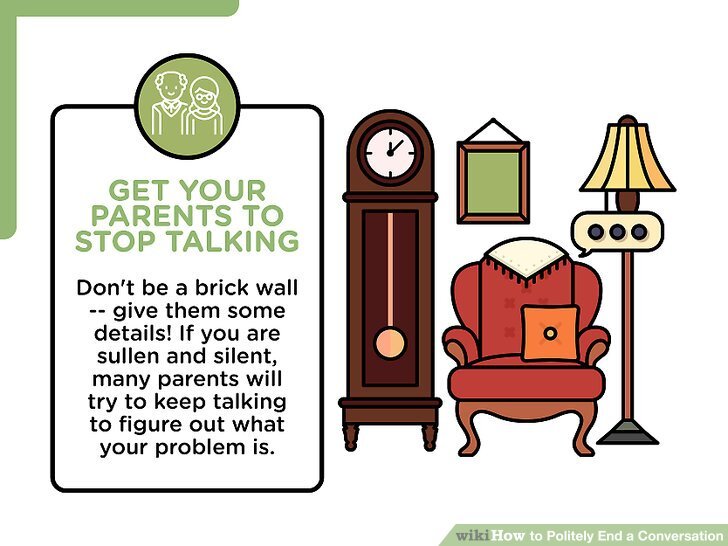
When navigating conversations, understanding the appropriate timing and context plays a crucial role in determining how to gracefully end discussions. The way in which a conversation is concluded can vary significantly based on social or professional situations, thereby influencing the choice of words and techniques used. Recognizing these nuances helps in maintaining cordial relationships while ensuring that one’s time and energy are respected.
Timing is a fundamental aspect of conversation dynamics, as it can dictate the appropriateness of ending a discussion. If a conversation has reached a natural conclusion or if either party appears distracted or disengaged, it may be the right moment to wrap things up. Additionally, being sensitive to the environment—such as a busy workplace compared to a relaxed social gathering—can affect how one should approach the ending.
The manner in which one chooses to conclude a conversation will differ based on the context, the relationship with the other person, and the urgency of one’s own commitments.
Impact of Social Context
In social settings, the approach to ending a conversation can be more casual, yet still requires a degree of politeness. Understanding the dynamics of social interactions is essential for navigating exits gracefully. Below are considerations that are typically relevant in social contexts:
- Body Language: Observing non-verbal cues from both oneself and the other person can indicate when a conversation has run its course.
- Group Dynamics: If in a larger group, it is often polite to acknowledge the presence of others before excusing oneself.
- Event Context: The nature of the gathering, such as a networking event versus a casual meetup, can dictate the level of formality in the exit.
Impact of Professional Context
In professional environments, the way conversations are concluded often requires a more structured approach. Recognizing the expectations of workplace interactions ensures that one’s exit is seen as respectful and considerate. Key factors to consider include:
- Workplace Hierarchy: Respect for roles and positions can influence how one chooses to end a conversation, particularly with superiors.
- Meeting Objectives: If a conversation is part of a meeting or collaborative effort, it is essential to summarize key points before concluding.
- Time Sensitivity: Being mindful of scheduled commitments or deadlines can necessitate a more direct approach in professional settings.
Effective conversation closure is not just about saying goodbye; it is about ensuring that all parties feel respected and valued.
Importance of Timing
Timing is pivotal in deciding when to end a conversation, as it can affect both the immediate outcome and the long-term relationship between the parties involved. Proper timing helps in avoiding abrupt interruptions, thereby fostering a respectful exchange. Some considerations related to timing include:
- Natural Pauses: Waiting for a lull in conversation can provide a seamless transition to ending the discussion.
- Prior Engagements: If one has commitments to attend to, it is prudent to mention them as a reason to conclude the conversation.
- Emotional State: Observing the emotional climate of the conversation is crucial, as concluding during heightened emotions may lead to misunderstandings.
By acknowledging these context-specific nuances and timing considerations, individuals can improve their ability to end conversations politely and effectively, thus maintaining their social and professional relationships.
Practicing Conversation-Ending Scenarios
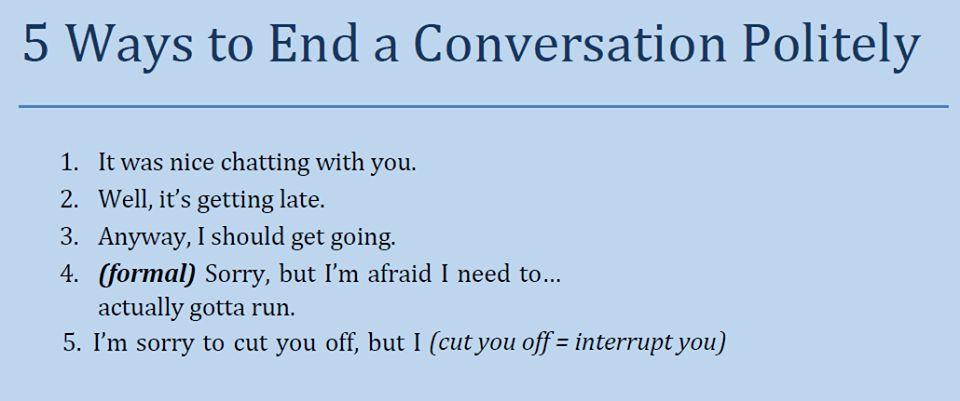
In order to master the art of politely ending conversations, it is essential to engage in practical scenarios that reflect real-life situations. By simulating various conversational contexts, individuals can develop the skills necessary to gracefully exit discussions that may be extending beyond their intended duration. This section will provide a foundation for understanding how to effectively conclude a conversation while maintaining respect and courtesy.Practicing conversation-ending techniques can significantly enhance one’s interpersonal skills.
Role-playing exercises allow participants to experience firsthand the dynamics of conversations and the nuances involved in concluding them effectively. Below are several scenarios that illustrate the necessity of ending conversations, along with appropriate responses to facilitate a smooth transition.
Scenario Examples for Ending Conversations
The following scenarios exemplify situations where it is necessary to end a conversation. Each scenario is paired with a response that reflects polite and respectful communication.
- Networking Event: During a professional networking event, you find yourself engaged in a lengthy conversation with an acquaintance.
“It has been wonderful connecting with you. I need to circulate and speak with a few other colleagues. Let’s catch up again soon!”
- Social Gathering: At a social gathering, you notice that the conversation is veering off-topic and taking too long.
“I’ve really enjoyed this chat, but I want to make sure I also spend time with others here. Let’s continue this discussion later!”
- Work Meeting: In a work meeting, discussions are dragging on without a clear resolution.
“I appreciate everyone’s input on this matter. To stay on schedule, let’s table this discussion and reconvene next week.”
Engaging in role-play exercises can also enhance conversational skills. Participants can take turns acting out different scenarios, allowing for interactive learning and immediate feedback. This practice not only reinforces the techniques but also builds confidence in handling similar situations in real life.
Analyzing Conversation Endings
An analysis of both successful and unsuccessful conversation endings can provide insight into effective techniques. Understanding the differences between these outcomes is crucial for improvement.When evaluating successful conversation endings, the following elements are typically present:
- Clarity: The intention to end the conversation is expressed clearly.
- Gratitude: Acknowledgment of the conversation and appreciation for the other person’s time is conveyed.
- Future Engagement: An invitation to continue the relationship or conversation at a later time is extended.
Conversely, unsuccessful conversation endings may lack these features. For example, abrupt or vague closures can leave the other person feeling disrespected or neglected. An example of an unsuccessful ending might be:
“I need to go now.”
This response fails to express appreciation or future interest, which can create a negative impression.Through the practice of these scenarios and the analysis of conversation endings, individuals can refine their techniques and enhance their ability to navigate social interactions with poise and tact. This preparation is invaluable in fostering effective communication skills in all types of settings.
Handling Pushback and Resistance
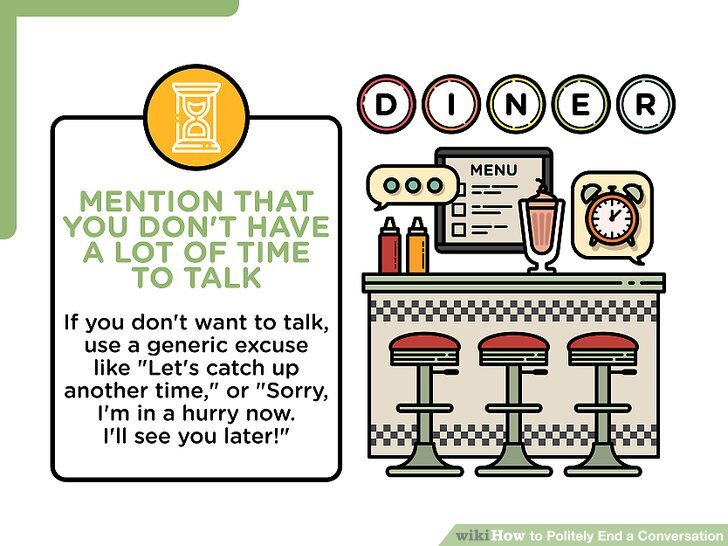
Engaging in conversations often requires a delicate balance, particularly when it becomes necessary to end a dialogue that is extending longer than intended. Pushback from the other party can complicate this process, making it essential to employ respectful yet resolute strategies to maintain the integrity of the interaction while successfully concluding it. Understanding the dynamics of resistance will empower individuals to navigate these situations with grace and confidence.When confronted with resistance to ending a conversation, it is important to reaffirm the need for closure without compromising respect for the other person’s feelings.
This can be achieved through a combination of empathetic communication and clear boundary setting. By focusing on the reasons for concluding the conversation, one can establish a rationale that the other party may find acceptable.
Strategies for Addressing Resistance
Individuals often exhibit resistance when they feel their concerns or thoughts are not fully acknowledged. In these situations, employing specific strategies can be instrumental in managing the conversation effectively. Below are key approaches to handle pushback while ensuring a respectful exchange:
- Acknowledge Their Perspective: Begin by validating the other person’s feelings. A simple statement like, “I understand that you have more to share,” can demonstrate empathy and appreciation for their input.
- Use Gentle Redirection: Politely redirect the conversation by expressing your own time constraints. For instance, stating, “I’m sorry to cut this short, but I have to attend to another matter,” can help signal the need to conclude without dismissing the other person.
- Establish a Clear Endpoint: Inform the other person that the conversation will need to end soon. This can be done with phrases like, “I have a hard stop in five minutes,” which sets a specific timeframe and encourages a natural conclusion.
- Offer a Follow-Up: If applicable, suggest a follow-up conversation or meeting. This can provide the other person with a sense of closure, knowing there will be an opportunity to continue the discussion later.
- Remain Firm Yet Polite: If the other party persists, politely insist on ending the conversation. Phrases such as, “I truly appreciate your insights, but I must conclude our discussion now,” reinforce your intention while maintaining courtesy.
“Respectful communication can turn a potentially awkward situation into a graceful exit.”
By applying these strategies thoughtfully, one can effectively manage pushback with respect and assertiveness, ensuring that conversations can be concluded amicably even in the face of resistance.
Cultural Considerations in Ending Conversations

Cultural differences significantly influence how conversations are initiated, maintained, and concluded. Understanding these variations is essential for ensuring effective communication across diverse backgrounds. The etiquette surrounding the ending of conversations can vary widely, affecting interpersonal dynamics and relationships.Cultural norms dictate not only the manner in which conversations are conducted but also how they are gracefully concluded. Recognizing these differences helps avoid misunderstandings and fosters respect among individuals from varying cultural backgrounds.
The following examples illustrate specific practices regarding the polite conclusion of conversations in different cultures.
Specific Practices from Various Cultures
The conclusion of conversations is often accompanied by established customs. These practices emphasize the importance of context and relationship dynamics.
- Japanese Culture: In Japan, conversations often conclude with expressions of gratitude, such as “Arigato gozaimasu” (thank you very much). Leaving a conversation on a positive note is highly valued, reflecting respect and appreciation for the interaction.
- French Culture: The French often conclude conversations with a polite “Au revoir” (goodbye) or “À bientôt” (see you soon), which signifies a desire to maintain the relationship. The formality utilized depends on the level of familiarity between the speakers.
- Indian Culture: In India, it is common to conclude conversations with an inquiry about the other person’s wellbeing or family, such as “Take care of yourself.” This serves to strengthen social bonds.
- Middle Eastern Culture: In many Middle Eastern cultures, conversation endings may include lengthy exchanges, with well-wishing phrases like “Ma’a salama” (with peace). This practice reflects the importance of maintaining personal connections.
- Western Cultures: In many Western settings, it is common to wrap up a conversation with a straightforward acknowledgment, such as “It was great talking to you,” followed by a simple goodbye. This approach may seem abrupt to individuals from cultures that prefer longer, more elaborate farewells.
Being culturally aware is crucial in cross-cultural dialogues. Understanding the nuances of how conversations are concluded aids in fostering a respectful and constructive communication environment. Misinterpretations in communication can lead to unintended offense or discomfort, underscoring the importance of sensitivity to cultural differences. By appreciating these variations, individuals can enhance their interpersonal skills and build meaningful relationships across cultural boundaries.
Reflecting on Personal Experiences
Engaging in conversations is an integral part of our social interactions, yet not all dialogues unfold as smoothly as desired. Lengthy discussions can sometimes lead to fatigue or a sense of obligation, prompting the need for an exit strategy. Reflecting on personal experiences can provide valuable insights into handling such situations effectively.Throughout my interactions, I have encountered various lengthy conversations that showcased both the art and the challenge of politeness in ending dialogues.
A particularly memorable experience involved a colleague who enjoyed sharing detailed narratives about their personal life. Initially, I found it engaging; however, as the hours passed, I realized I had pending tasks. This scenario taught me the importance of recognizing the signals of fatigue—not just within myself, but also in the other person, who may be unaware of the time passed.
Lessons Learned from Conversation Endings
The outcomes of lengthy conversations can range from enriching connections to awkwardly prolonged exchanges. My experiences have highlighted several key lessons that can enhance future conversation-ending strategies:
-
Clear expectations foster respectful dialogue.
Establishing the purpose of a conversation can create boundaries, making it easier to manage time effectively.
-
Active listening is essential.
Engaging deeply allows for a more natural transition out of conversations when the time arises, as it demonstrates respect and attentiveness.
-
Practicing assertiveness is beneficial.
Politely asserting that the conversation needs to conclude can prevent feelings of guilt or discomfort.
-
Timing matters significantly.
Assessing when to interject and gracefully exit is crucial; waiting for a natural pause can minimize abruptness.
-
Reflect on the outcome.
After a conversation ends, evaluating the experience can lead to improved strategies for the future, incorporating both positive and negative aspects.
Personal anecdotes reveal that while certain conversations may yield a sense of connection, they can unintentionally lead to frustration if not managed well. Sharing experiences with peers can encourage a communal understanding of effective conversational boundaries, thereby enhancing our collective ability to navigate social interactions in a polite and respectful manner.
Final Review
In conclusion, mastering the art of politely ending a conversation that’s taking too long is a valuable asset in both personal and professional settings. With the right strategies, individuals can ensure their messages are conveyed while also being considerate of others’ time and feelings. Embracing these techniques can lead to more meaningful interactions and a better understanding of effective communication.