How to Use a Bullet Journal for Time Management is an invaluable resource for those seeking to enhance their organizational skills and productivity. Originating from the innovative mind of Ryder Carroll, bullet journaling transcends the limitations of traditional planners by offering a customizable framework that encourages mindfulness and intentionality in daily tasks.
In this exploration, we will delve into the essential components of setting up a bullet journal, the myriad of time management techniques it supports, and the creative elements that make it an engaging tool for personal growth. Understanding how to harness the versatility of a bullet journal can significantly transform your approach to managing time and achieving goals.
Introduction to Bullet Journaling
Bullet journaling is a customizable organizational system that combines elements of a diary, planner, and to-do list, all within a single notebook. Developed by designer Ryder Carroll, the bullet journal method emerged as a practical solution for individuals seeking to streamline their thoughts and tasks. Its primary purpose is to help users track the past, organize the present, and plan for the future in a structured yet flexible manner.The benefits of utilizing a bullet journal for time management are numerous.
Not only does it enhance productivity by allowing users to prioritize tasks effectively, but it also encourages mindfulness and self-reflection. By engaging in the practice of bullet journaling, individuals can identify patterns in their time usage, which can lead to more efficient scheduling and better decision-making regarding how they allocate their time.
Versatility of Bullet Journals
One of the key advantages of bullet journals lies in their versatility, which distinguishes them from traditional planners. Unlike standard planners that come with predetermined layouts and fixed spaces, bullet journals allow for complete customization. Users can adapt their bullet journals to fit their unique needs and preferences.The following aspects highlight the versatility and effectiveness of bullet journals in managing time:
- Customizable Layouts: Users can create layouts that suit their specific workflows, such as daily, weekly, or monthly spreads, which can be modified at any time based on changing needs.
- Incorporation of Various Elements: Bullet journals can include sections for habit tracking, goal setting, and project planning, providing a comprehensive approach to time management.
- Creative Expression: The artistic possibilities of bullet journals allow users to incorporate doodles, colors, and designs, making the process enjoyable and personal.
- Adaptability: Whether it’s for professional use, academic planning, or personal projects, bullet journals can be tailored to accommodate all aspects of life.
- Reflection and Review: Bullet journals can serve as a space for regular reflections, helping users assess their progress and reassess priorities as needed.
The ability to adapt the bullet journal to an individual’s lifestyle means that it can grow and evolve alongside its user, providing invaluable support in achieving time management goals.
Setting Up Your Bullet Journal
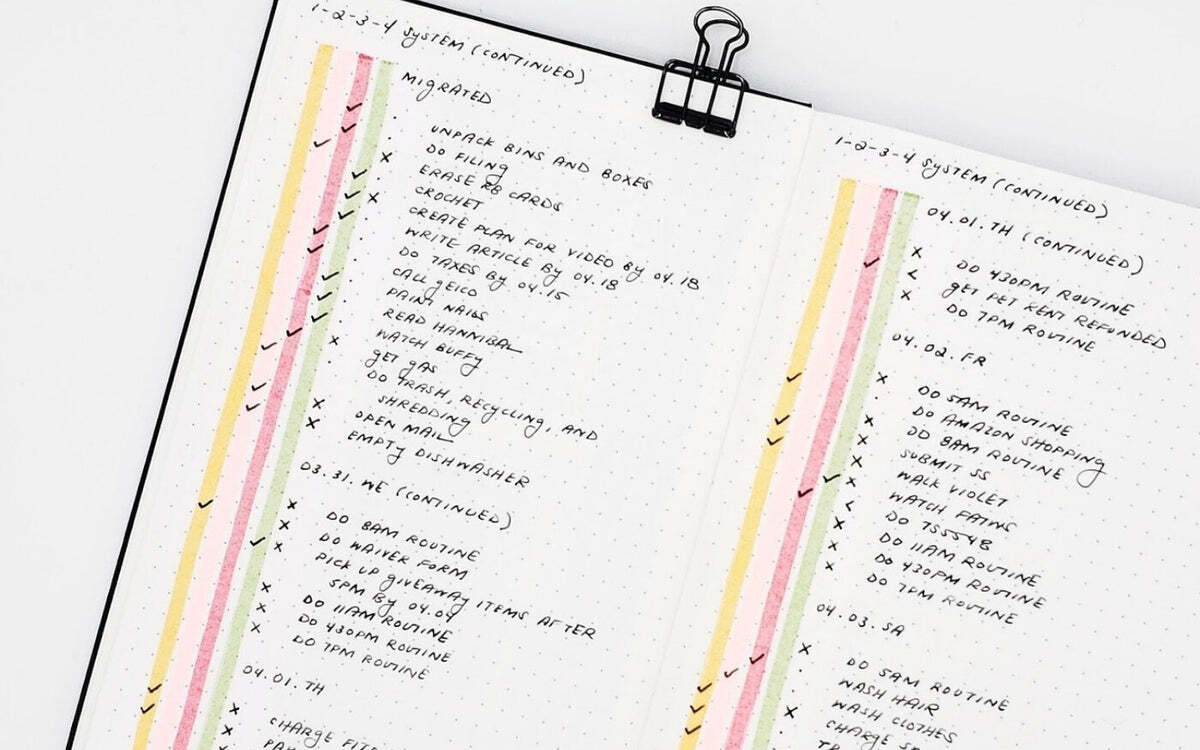
Establishing a bullet journal is an exciting venture that allows for personal organization tailored to individual needs. This section will guide you through the essential supplies required to get started, the process of creating an index for seamless navigation, and techniques for organizing monthly and daily layouts.
Essential Supplies for Bullet Journaling
To begin your bullet journaling journey, it is important to gather the appropriate supplies. The right materials can enhance your experience, making it both enjoyable and effective. Essential supplies include:
- Notebook: A blank or dotted notebook is ideal, as it provides flexibility for layouts and designs. Popular choices include Leuchtturm1917 and Moleskine.
- Writing Instruments: Pens, pencils, and highlighters in various colors help create visually engaging entries. Fine-tip pens are often preferred for detailed work.
- Ruler: A ruler aids in drawing straight lines and creating structured layouts.
- Stickers and Stamps: These can be used to add personality and flair to your journal, making it more enjoyable to use.
- Washi Tape: Decorative tape can be utilized for borders, highlighting important sections, or simply for aesthetic purposes.
Creating an Index for Easy Navigation
An index is a crucial component of a bullet journal, facilitating easy access to various sections and entries. To establish an effective index, follow these steps:
1. Reserve the First Few Pages
Dedicate the first two or three pages of your journal for the index.
2. Number Your Pages
As you create new entries, number the pages sequentially to ensure they correspond with your index.
3. Record Entries
As you fill in your journal, make a habit of adding headings and page numbers to the index. Include key topics, collections, or significant entries for quick reference.
4. Update Regularly
Continuously update your index as you add new content, ensuring it remains a helpful navigation tool.A well-structured index enables you to locate information quickly, enhancing the functionality of your bullet journal.
Organizing Monthly and Daily Layouts
Creating monthly and daily layouts is essential for effective time management within your bullet journal. Various designs can be tailored according to personal preferences and needs. Here are some popular layout concepts: Monthly Layout:A monthly layout typically provides an overview of the month at a glance. It can include:
- Calendar View: A grid format with dates and space for notes, appointments, or events.
- Monthly Goals: A dedicated section for specifying personal or professional goals for the month.
- Habit Tracker: A visual tracker that helps monitor habits you wish to develop or sustain throughout the month.
Daily Layout:Daily layouts offer a more detailed look at your day-to-day tasks. Examples include:
- Time Blocking: Dividing your day into time slots for focused activities.
- Task List: A simple list format where tasks can be checked off as completed.
- Gratitude Journal: A section to write down things you are grateful for each day, promoting a positive mindset.
Each layout should be customized to fit your unique style and requirements, enhancing both functionality and creativity within your bullet journal. For instance, a monthly layout might feature a vibrant color scheme with illustrations that inspire motivation, while daily layouts can incorporate daily reflections or motivational quotes to encourage productivity.
Time Management Techniques

Effective time management is essential for enhancing productivity and achieving personal and professional goals. A bullet journal serves as a versatile tool that can incorporate various time management techniques to streamline tasks and priorities. By utilizing these methods, individuals can optimize their schedules, minimize distractions, and maintain focus on their objectives.
Time Blocking and Task Prioritization
Time blocking and task prioritization are two prominent time management techniques that can be seamlessly integrated into a bullet journal. Understanding the differences between these methods can help individuals decide which approach best suits their working style and daily activities.
| Technique | Description | Advantages |
|---|---|---|
| Time Blocking | A method where specific blocks of time are scheduled for particular tasks or activities. |
|
| Task Prioritization | The process of ranking tasks based on their urgency and importance. |
|
Breaking Down Tasks into Manageable Chunks
To avoid feeling overwhelmed, it is beneficial to break larger tasks into smaller, more manageable chunks. This method not only makes daunting projects feel more attainable but also enhances motivation as individuals can celebrate small victories along the way. Here are effective methods for breaking down tasks:
- Define the Overall Goal: Clearly Artikel the end goal to maintain focus on the bigger picture.
- Identify Milestones: Break the project into milestones that represent significant progress points.
- List Actionable Steps: Determine the specific actions required to reach each milestone.
- Allocate Time Estimates: Assign realistic time frames for each action step to enhance accountability.
- Set Deadlines: Establish deadlines for each chunk to create a sense of urgency and keep productivity on track.
“Breaking tasks into smaller components not only makes them less intimidating but also fosters a sense of accomplishment with each completed step.”
Daily and Weekly Planning
Effective time management relies heavily on how well one plans their days and weeks. The use of a bullet journal can significantly enhance this process, allowing for a structured yet flexible approach to organizing tasks and priorities. This section will delve into the design of daily planning sections, the structuring of weekly overviews, as well as the incorporation of habit trackers to maximize productivity.
Designing a Daily Planning Section
A well-structured daily planning section is essential for maintaining focus and achieving set goals. This section typically includes designated areas for tasks, priorities, and reflections, each serving a pivotal role in effective time management.
- Tasks: Allocate a specific area for listing daily tasks. This could be a simple bullet point list that enables easy addition and removal of items throughout the day. Tasks should be actionable and clear, making it easier to visualize what needs to be accomplished.
- Priorities: Identify the top three tasks that are of utmost importance for the day. Highlighting these priorities ensures that time and energy are directed towards the most crucial activities, thereby increasing the likelihood of completion.
- Reflections: At the end of the day, dedicate space for reflections on what was accomplished and what could be improved. This practice not only aids in self-assessment but also fosters a growth mindset by encouraging continual improvement.
Structuring a Weekly Overview
A weekly overview serves as a roadmap for the days ahead, allowing for a comprehensive perspective on tasks and goals. Structuring this section effectively can lead to enhanced productivity and better time allocation.
- Weekly Goals: Start with a section to Artikel key goals for the week. These should be aligned with larger monthly objectives and can help maintain a sense of direction.
- Weekly Schedule: Create a grid or table that Artikels each day of the week, with designated time slots for tasks, meetings, and activities. This visual representation helps in balancing workloads and avoiding overcommitment.
- Review Section: Include a space for a weekly review at the end of the week. This allows for an evaluation of what was accomplished, what challenges were faced, and how to adjust plans for the upcoming week.
Examples of Habit Trackers
Habit trackers play a crucial role in time management by helping individuals monitor their progress towards personal and professional habits. These trackers can be laid out in various formats to suit individual preferences.
- Simple Grid Format: Create a grid with habits listed vertically and days of the month across the top. Mark each day a habit is completed with a symbol or color code, providing a visual representation of consistency and progress.
- Color-Coded Habit Tracker: Use different colors to represent different habits, making it easier to see at a glance which habits are being maintained and which may need more attention.
- Monthly Overview: Design a monthly habit tracker that summarizes performance across the entire month. This could include achievements, setbacks, and reflections on overall progress, enabling a more strategic approach to habit formation.
“Tracking habits not only reinforces positive behaviors but also highlights areas for improvement, ultimately leading to better time management and personal growth.”
Goal Setting and Tracking
In the context of time management, effective goal setting is crucial for ensuring that you remain focused and productive. A bullet journal provides a versatile framework for establishing and tracking goals that align with your personal and professional aspirations. By integrating the SMART criteria into your goal-setting practices, you can enhance clarity and accountability, ultimately leading to more successful outcomes.Setting SMART goals involves defining objectives that are Specific, Measurable, Achievable, Relevant, and Time-bound.
This structured approach not only simplifies the process of goal setting but also facilitates ongoing monitoring and adjustment as needed. The bullet journal serves as an ideal platform to document these goals clearly and visually, allowing for continuous engagement with your aspirations.
Setting SMART Goals within a Bullet Journal
Incorporating the SMART criteria into your bullet journal can significantly enhance your goal-setting process. Here are the steps for effectively utilizing this method:
- Specific: Clearly define what your goal is. Instead of stating, “I want to be healthy,” specify, “I want to exercise three times a week.”
- Measurable: Establish criteria for measuring progress. For example, “I will track my workouts in my bullet journal every week.”
- Achievable: Ensure the goal is realistic given your current resources and constraints. Setting a goal to run a marathon next month when you’ve never run before may not be achievable.
- Relevant: Align the goal with your broader life objectives. If your career goal is to be promoted, ensure that your personal goals support this aim.
- Time-bound: Set a deadline for the goal. For instance, “I will complete my first 5K run by the end of June.”
Tracking Progress Towards Goals
Tracking progress is an essential component of goal achievement, and a bullet journal can aid in this process through various methods. By regularly recording milestones, reflections, and adjustments, you can maintain motivation and stay on course. Some effective ways to track progress include:
- Monthly Review: Dedicate a page each month to review your goals, noting achievements and areas needing improvement.
- Habit Trackers: Use dedicated charts to monitor habits that contribute to your goals, such as exercising, reading, or networking.
- Progress Bars: Visually represent your progress towards each goal using bars or graphs to provide an immediate sense of achievement.
Short-term vs. Long-term Goal Tracking
Understanding the distinction between short-term and long-term goals is essential for effective planning and tracking. Below is a comparative table that Artikels the key differences in tracking methods for each type of goal:
| Tracking Method | Short-term Goals | Long-term Goals |
|---|---|---|
| Frequency of Review | Weekly or bi-weekly reviews to assess progress. | Monthly or quarterly reviews to evaluate overall progress and adjust strategies. |
| Metrics | Specific tasks completed or milestones achieved. | Milestones leading to the ultimate goal, overall progress percentage. |
| Tools | Habit trackers, daily logs, and weekly planners. | Vision boards, long-term strategies, and goal-setting pages. |
By employing these strategies within your bullet journal, you can create a comprehensive and adaptable system for goal setting and tracking that supports both your immediate and future ambitions.
Reflection and Adjustment

Reflecting on completed tasks and overall progress is a vital component of effective time management. It allows individuals to gain insights into their productivity patterns and identify areas that require improvement. By dedicating time to reflect, one can assess what strategies are working well and which need to be adjusted to enhance overall efficiency.Adjusting time management strategies based on reflections is crucial for continuous improvement.
After assessing what has been accomplished, it becomes clear which methods are yielding positive results and which are not. This informed approach facilitates the fine-tuning of techniques, ultimately leading to better outcomes.
Recording Insights and Lessons Learned
Maintaining an ongoing log of insights and lessons learned can considerably enhance a bullet journal’s efficacy in time management. This practice not only documents progress but also serves as a reference for future planning. Here are effective strategies for capturing reflections in your bullet journal:
- Weekly Review Section: Dedicate a specific page or section in your bullet journal for weekly reflections. At the end of each week, allocate time to jot down achievements, challenges faced, and strategies that worked.
- Highlight Key Takeaways: Use symbols or colors to emphasize significant insights that can guide future actions. For example, using a star symbol to highlight successful strategies will allow for quick reference later.
- Action Items for Improvement: Based on your reflections, list specific adjustments or new strategies to implement for the upcoming week. This could include modifying your daily schedule or adjusting priorities.
- Monthly Reflection Summary: At the end of each month, create a summary page that consolidates insights from your weekly reviews. This long-term perspective can reveal trends in productivity and highlight significant shifts in your time management approach.
“Reflection is the lamp that illuminates our path to improvement.”
By systematically incorporating these practices into your bullet journal, you ensure that reflections not only serve as a record but also as a catalyst for ongoing growth and adjustment in your time management endeavors.
Creative Elements

Incorporating creative elements into your bullet journal can significantly enhance your engagement with the system while making the planning process a more enjoyable and fulfilling experience. Creativity not only adds personal flair to your journal but also improves your motivation and helps you visualize your goals and tasks more effectively.Engaging with your bullet journal through creativity can be achieved by utilizing various artistic techniques, including doodles, colors, and typography.
These elements not only beautify your journal but also serve practical purposes by organizing content and making critical information stand out. A well-designed layout can stimulate a positive mindset, encouraging regular interaction with your planning tools.
Doodles and Visual Art
Integrating doodles and visual art into your bullet journal can transform mundane task lists into vibrant, engaging pages. Doodles do not need to be intricate; simple shapes or symbols related to your tasks can make your journal more lively and personal. For instance, drawing tiny icons next to each task can help differentiate between various categories—like a book for reading tasks or a dumbbell for fitness goals.
Consider the following examples of themed spreads that can inspire creativity:
- Seasonal Themes: Create spreads that reflect the current season, such as autumn leaves for October or snowflakes for December. These can include doodles and color palettes that match the theme.
- Habit Trackers: Design a habit tracker that features doodles corresponding to the habits you are tracking, such as water droplets for hydration or a sun for outdoor activities.
- Mind Maps: Use mind maps to visually explore ideas or projects, incorporating colorful drawings and bubbles that represent different facets of the topic.
Color Palettes and Typography
The use of colors in your bullet journal can influence mood and motivation. Choosing a specific color palette for each month or theme creates a sense of cohesion across your pages. For example, using calm blues and greens could promote tranquility, while bright yellows and oranges could energize and invigorate.Typography also plays a crucial role in enhancing the visual appeal of your journal.
Experimenting with different lettering styles can add personality to your entries. You might use block letters for titles, cursive for quotes, or even experiment with brush lettering for a more artistic touch. Here are some effective typography styles you can incorporate:
- Brush Lettering: This style can be used for headings, giving a sophisticated look to your journal.
- Handwritten Fonts: Using a consistent handwritten style for notes can create a personal touch.
- Bullet Points and Lists: Employing different bullet styles (like stars, hearts, or checkmarks) for lists can add a playful aspect to your organization.
“Creativity is intelligence having fun.”
Albert Einstein
Using thematic spreads combined with doodles, colors, and typography not only beautifies your bullet journal but also enhances your organizational skills, making the experience of tracking your tasks and goals more engaging and motivating.
Digital vs. Traditional Bullet Journaling

The choice between digital and traditional bullet journaling often comes down to personal preference and lifestyle. Each method presents distinct advantages and disadvantages that may complement different working styles and time management needs. Understanding these differences can help individuals select the approach that best fits their organizational habits and goals.Traditional bullet journaling utilizes pen and paper, providing a tactile experience that many find satisfying.
The physical act of writing can enhance memory retention and encourage creativity. However, it may lack the convenience of digital tools, such as easy editing and accessibility across devices. Conversely, digital bullet journaling offers flexibility and integration with a variety of applications and tools, enabling users to stay organized in a fast-paced digital world. Yet, it may not provide the same sensory satisfaction that traditional journaling does.
Advantages and Disadvantages of Each Method
Both digital and traditional bullet journaling come with unique strengths and weaknesses. Understanding these can guide users in making informed choices.
- Traditional Bullet Journaling:
- Advantages:
- Enhances memory retention through the act of writing.
- Encourages creativity with customizable layouts and artistic expression.
- No technological distractions, allowing for focused reflection.
- Disadvantages:
- Inflexible; mistakes require crossing out or starting over.
- Physical journals can be lost or damaged easily.
- Not easily shareable or accessible on multiple devices.
- Advantages:
- Digital Bullet Journaling:
- Advantages:
- Easy to edit and reorganize as needed.
- Can be accessed on multiple devices, providing convenience.
- Integrates with productivity apps for enhanced time management.
- Disadvantages:
- May lead to digital distractions, detracting from focus.
- Lacks the tactile experience of writing by hand.
- Potential for data loss if not regularly backed up.
- Advantages:
Tools and Apps for Enhanced Time Management
For individuals who prefer digital bullet journaling, various tools and applications can significantly enhance time management capabilities. These tools not only streamline the organization process but also integrate functionalities that facilitate better planning and tracking.
- Notion: A versatile workspace that combines notes, tasks, databases, and calendars into one platform, allowing for comprehensive project management.
- Trello: A task management application that employs boards, lists, and cards, making it easy to visualize tasks and timelines.
- Evernote: A note-taking application that allows for the organization of notes, images, and documents in a coherent structure, suitable for brainstorming and project planning.
- Microsoft OneNote: A digital notebook that provides a flexible structure for organizing notes, making it easy to categorize and search for content.
Features of Popular Digital Bullet Journal Applications
The following table highlights some key features of selected digital bullet journal applications, allowing users to compare functionalities effectively.
| Application | Key Features | Platforms |
|---|---|---|
| Notion | Custom templates, databases, collaboration tools, and embedding options. | Web, iOS, Android, Windows, Mac |
| Trello | Kanban boards, checklist features, due dates, and integration with other apps. | Web, iOS, Android, Windows, Mac |
| Evernote | Rich text editing, web clipping, tagging, and document scanning. | Web, iOS, Android, Windows, Mac |
| Microsoft OneNote | Sectioned notebooks, drawing tools, multimedia support, and cloud syncing. | Web, iOS, Android, Windows, Mac |
Closure
In conclusion, utilizing a bullet journal for time management not only streamlines your tasks but also fosters a deeper connection with your personal and professional aspirations. By adapting various techniques, customizing layouts, and reflecting on your progress, you can cultivate an efficient system that promotes creativity and productivity. Embrace the journey of bullet journaling and witness how it can revolutionize the way you organize your life.