How to Use the Eisenhower Matrix to Prioritize Tasks provides a strategic approach to task management that can revolutionize how we approach our daily responsibilities. Designed by former U.S. President Dwight D. Eisenhower, this matrix aids individuals in distinguishing between what is urgent and what is truly important. By categorizing tasks into four distinct quadrants, users can enhance their productivity and time management skills, ensuring that they focus on what matters most.
Understanding the intricacies of the Eisenhower Matrix empowers individuals to make informed decisions about their workload. By analyzing tasks through its framework, one can effectively prioritize commitments, leading to improved efficiency and reduced stress levels. This methodology not only facilitates better organization but also encourages a proactive mindset in tackling daily challenges.
Introduction to the Eisenhower Matrix
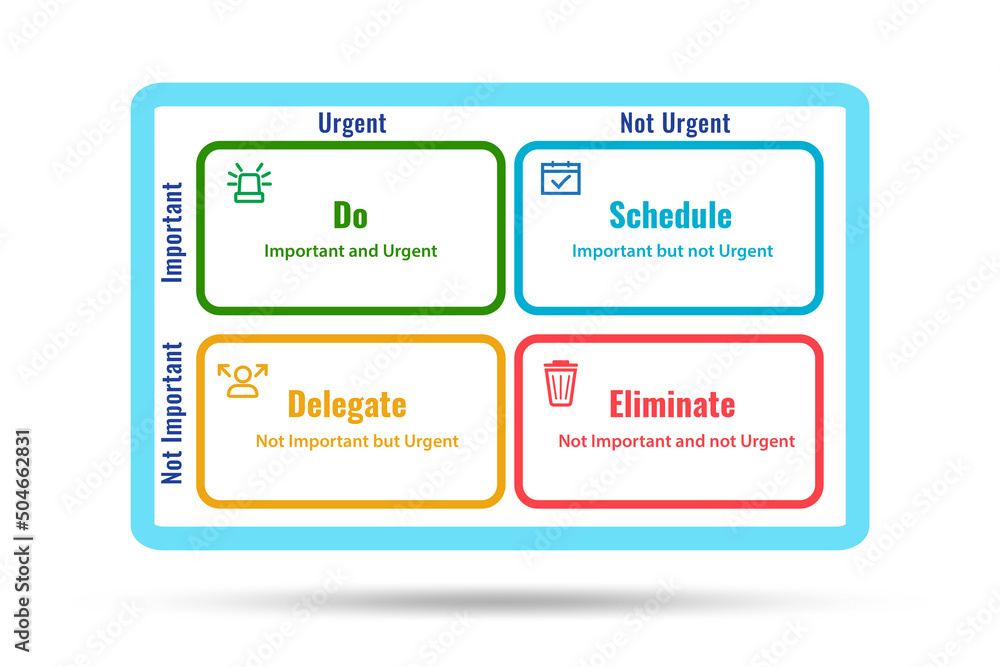
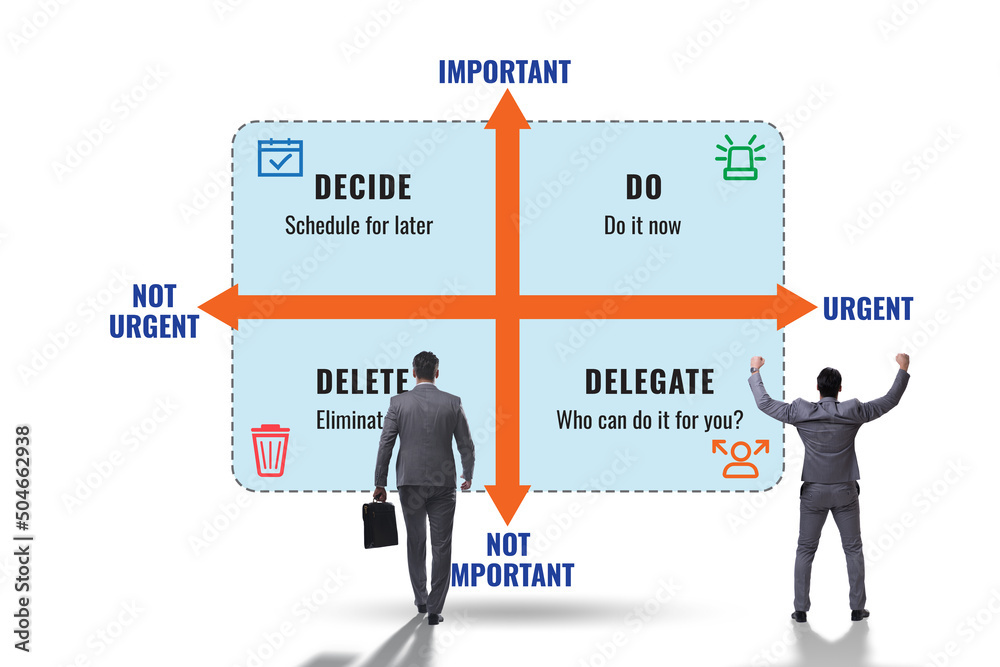
The Eisenhower Matrix is a powerful tool for task management that aids individuals in distinguishing between what is urgent and what is important. Named after Dwight D. Eisenhower, the 34th President of the United States, this matrix serves to enhance productivity by providing a clear framework for prioritizing tasks based on their urgency and significance. By categorizing tasks, users can make informed decisions about where to allocate their time and resources.The matrix is divided into four distinct quadrants, each representing a different combination of urgency and importance.
This division allows users to categorize their tasks effectively. The quadrants are as follows:
Understanding the Four Quadrants
Each quadrant of the Eisenhower Matrix serves a specific purpose in task prioritization, helping individuals streamline their focus:
- Quadrant I: Urgent and Important
-This quadrant contains tasks that require immediate attention and are critical to achieving key objectives. Examples include project deadlines or a crisis that must be addressed promptly. - Quadrant II: Important but Not Urgent
-Tasks in this quadrant are vital for long-term success but do not require immediate action. These might include planning, relationship building, or personal development activities. - Quadrant III: Urgent but Not Important
-Here, tasks may seem pressing but do not significantly contribute to overall goals. Examples include interruptions or some meetings that distract from more important work. - Quadrant IV: Not Urgent and Not Important
-This quadrant is reserved for tasks that provide little to no value and can often be eliminated or delegated. Activities such as excessive social media browsing or trivial tasks fall here.
The concept of the Eisenhower Matrix is rooted in Dwight D. Eisenhower’s own experiences as a leader. He famously stated, “What is important is seldom urgent, and what is urgent is seldom important.” This principle guided his decision-making process, especially when managing time in high-pressure situations. The matrix was popularized by Stephen Covey in his book “The 7 Habits of Highly Effective People,” where it was presented as an essential framework for effective personal and professional growth.
The Eisenhower Matrix continues to be a valuable tool for individuals seeking to enhance their time management skills and overall productivity.
Understanding the Four Quadrants
The Eisenhower Matrix divides tasks into four distinct quadrants based on their urgency and importance. This method enables individuals to prioritize their work efficiently, ensuring that critical tasks receive the attention they deserve while minimizing time spent on less vital activities. A clear understanding of each quadrant helps in refining one’s focus, streamlining workflows, and enhancing overall productivity.The four quadrants are categorized as follows: Important and Urgent, Important but Not Urgent, Urgent but Not Important, and Not Urgent and Not Important.
Each category helps distinguish the varying levels of priority and the nature of tasks that one encounters in daily life.
Quadrant Descriptions and Examples
Understanding the nature of tasks within each quadrant allows for better prioritization. Below is a detailed overview, including examples of tasks that typically fit into each category.
| Quadrant | Description | Examples of Tasks |
|---|---|---|
| Important and Urgent | Tasks that require immediate attention and are critical to your goals. | Meeting deadlines, handling emergencies, urgent client requests |
| Important but Not Urgent | Tasks that are essential but do not require immediate action. | Strategic planning, personal development, relationship building |
| Urgent but Not Important | Tasks that demand immediate attention but do not contribute significantly to your long-term goals. | Interruptions, some emails, minor issues |
| Not Urgent and Not Important | Tasks that are trivial and can be eliminated or postponed. | Social media browsing, unnecessary meetings, trivial tasks |
Prioritization changes considerably based on the quadrant into which a task falls. Tasks in the Important and Urgent quadrant should be addressed immediately, as they are crucial to success and have pressing deadlines. In contrast, Important but Not Urgent tasks should be scheduled to ensure progress on long-term goals. Urgent but Not Important tasks often require delegation or quick resolution without significant investment.
Finally, Not Urgent and Not Important tasks should generally be minimized or removed from one’s to-do list, allowing for a more focused approach to what truly matters.
Steps to Implement the Eisenhower Matrix
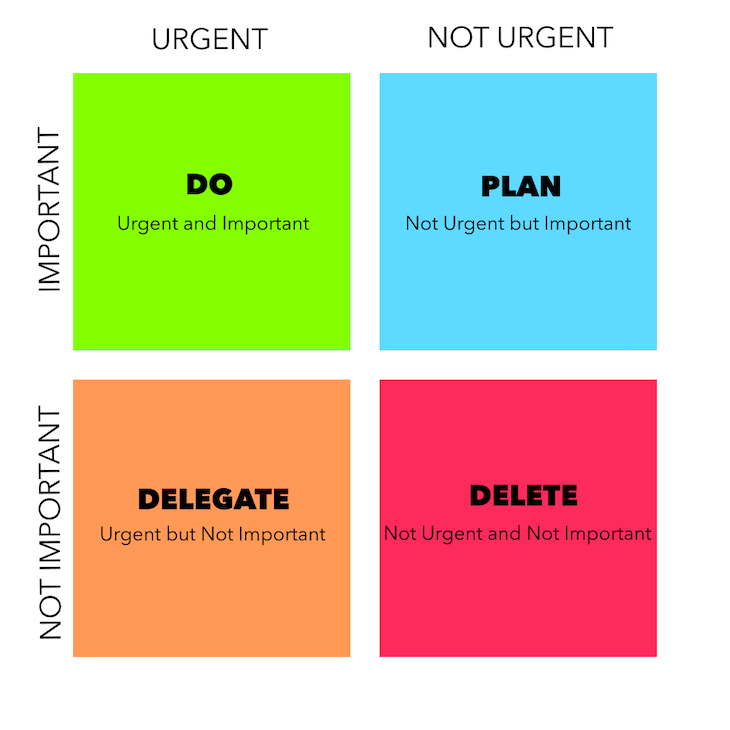
To effectively utilize the Eisenhower Matrix for prioritizing tasks, it is essential to understand the practical steps involved in creating and maintaining this organizational tool. Implementing the matrix can greatly enhance productivity and ensure that you focus on what truly matters. Creating your own Eisenhower Matrix starts with a clear understanding of your tasks and how they fit into the four quadrants of the matrix: urgent and important, important but not urgent, urgent but not important, and neither urgent nor important.
This strategic approach will enable you to visualize your workload and make informed decisions about where to direct your efforts.
Creating Your Eisenhower Matrix
Begin by designing your matrix on a piece of paper, a digital tool, or a whiteboard. Divide your workspace into four quadrants, labeling them accordingly:
- Quadrant I: Urgent and Important
- Quadrant II: Important but Not Urgent
- Quadrant III: Urgent but Not Important
- Quadrant IV: Neither Urgent nor Important
Each quadrant represents different types of tasks which will guide your planning process.
Categorizing Tasks into Quadrants
The next step is to list all your current tasks and categorize them into the respective quadrants. It is crucial to be honest about the urgency and importance of each task to ensure that your prioritization is effective. When categorizing tasks, consider the following guidelines:
- For tasks in Quadrant I, focus on deadlines and immediate consequences—these should be your top priority.
- For Quadrant II, identify tasks that contribute to long-term goals, planning, and personal development; allocate time for these to prevent them from becoming urgent.
- In Quadrant III, evaluate tasks that demand quick attention but do not significantly contribute to your goals; delegate these tasks if possible.
- Quadrant IV tasks are often distractions; minimize or eliminate these from your schedule.
By categorizing your tasks in this manner, you can gain clarity on what needs your immediate focus.
Tips for Optimizing Daily Planning
To maximize your use of the Eisenhower Matrix in daily planning, consider implementing the following strategies:
- Review your matrix daily, adjusting tasks as new responsibilities arise and priorities shift.
- Set specific time blocks for Quadrant II tasks, ensuring that important but non-urgent tasks receive adequate attention.
- Use reminders and alerts for tasks in Quadrant I to keep them at the forefront of your daily activities.
- Regularly evaluate tasks in Quadrant III and IV to determine if they need to be addressed or removed from your list entirely.
Maintaining this disciplined approach will help you cultivate a productive routine that aligns with your goals.
Benefits of Using the Eisenhower Matrix
The Eisenhower Matrix offers a systematic approach to task prioritization, helping individuals and teams distinguish between what is urgent and what is important. By effectively utilizing this framework, users can experience significant improvements in their time management and overall productivity. Understanding the benefits associated with this method is essential for anyone looking to enhance their efficiency in both professional and personal contexts.One of the primary advantages of the Eisenhower Matrix is its ability to clarify priorities.
By categorizing tasks into four distinct quadrants, individuals can quickly identify which tasks deserve immediate attention and which can be scheduled for later, delegated, or even eliminated. This clarity helps in reducing stress and overwhelm, leading to a more focused approach to work.
Improvement in Time Management and Productivity
Implementing the Eisenhower Matrix can lead to remarkable enhancements in time management and productivity. By prioritizing tasks effectively, individuals can allocate their time and resources more wisely. Here are key benefits associated with this strategic approach:
- Enhanced Focus: By concentrating on urgent and important tasks, individuals are less likely to be distracted by less critical activities.
- Reduced Procrastination: The framework encourages immediate action on high-priority tasks, mitigating the tendency to delay important responsibilities.
- Better Delegation: The matrix identifies tasks that can be delegated, allowing individuals to focus on their core responsibilities while empowering others.
- Long-term Planning: By distinguishing between urgent and important tasks, users can plan their days, weeks, or months more effectively, ensuring they are working toward their long-term goals.
Real-life scenarios demonstrate the effectiveness of the Eisenhower Matrix in improving productivity. For instance, a project manager faced with multiple deadlines utilized the matrix to categorize tasks related to project deliverables. By focusing on urgent and important tasks, she was able to complete critical components ahead of schedule, thereby reducing last-minute stress and improving team morale. Similarly, an entrepreneur applied the Eisenhower Matrix to streamline decision-making processes.
By identifying which tasks required immediate attention and which could be postponed, he effectively allocated time to strategic planning and business development, resulting in a more structured growth trajectory for his company.
“Prioritizing tasks using the Eisenhower Matrix not only helps in managing time effectively but also fosters a culture of productivity and accountability.”
Challenges and Common Mistakes
The Eisenhower Matrix serves as a valuable tool for prioritizing tasks effectively; however, many individuals encounter challenges and make common mistakes that can hinder its effectiveness. Recognizing and addressing these pitfalls is essential for maintaining a productive workflow and ensuring that the matrix serves its intended purpose.One significant challenge is the tendency to misclassify tasks within the quadrants. Often, people confuse urgency with importance, leading to an imbalance in their prioritization.
For example, a task that appears urgent may not necessarily contribute to long-term goals, while a seemingly less urgent task might hold greater importance. This misclassification can result in wasted time and effort on tasks that do not yield significant returns.
Common Pitfalls in Using the Eisenhower Matrix
Identifying common mistakes can help users navigate the prioritization process more effectively. The following points highlight frequent pitfalls encountered by individuals:
- Neglecting to revisit and revise the matrix regularly: Many users create their matrix and fail to update it as tasks evolve or new priorities emerge. A static approach can lead to outdated prioritization.
- Overloading the urgent and important quadrant: A common mistake is placing too many tasks in this quadrant, creating a false sense of urgency and resulting in stress and burnout.
- Failing to delegate tasks appropriately: Not recognizing which tasks can be delegated can lead to an overwhelming workload, making it challenging to focus on what truly matters.
- Ignoring the importance of breaks and downtime: Users often prioritize tasks to the detriment of their well-being, neglecting to include time for rest and recovery in their schedule.
To overcome these challenges, it is essential to implement strategies that promote effective prioritization. Here are some practical solutions that can enhance the utilization of the Eisenhower Matrix:
- Schedule regular reviews of the matrix: Set aside time daily or weekly to reassess tasks, ensuring that the matrix reflects current priorities and commitments.
- Limit the number of tasks in each quadrant: Focus on a manageable number of tasks to prevent overwhelm and maintain clarity in decision-making.
- Encourage team collaboration: Foster an environment where delegation is welcomed, allowing team members to take on tasks that others may be struggling to manage.
- Incorporate time for breaks: Create a balanced schedule that includes downtime, which can improve overall productivity and prevent burnout.
By addressing these common pitfalls and employing effective strategies, individuals can maximize the benefits of the Eisenhower Matrix and enhance their task prioritization efforts, leading to a more productive and fulfilling work experience.
Comparing the Eisenhower Matrix with Other Task Management Tools
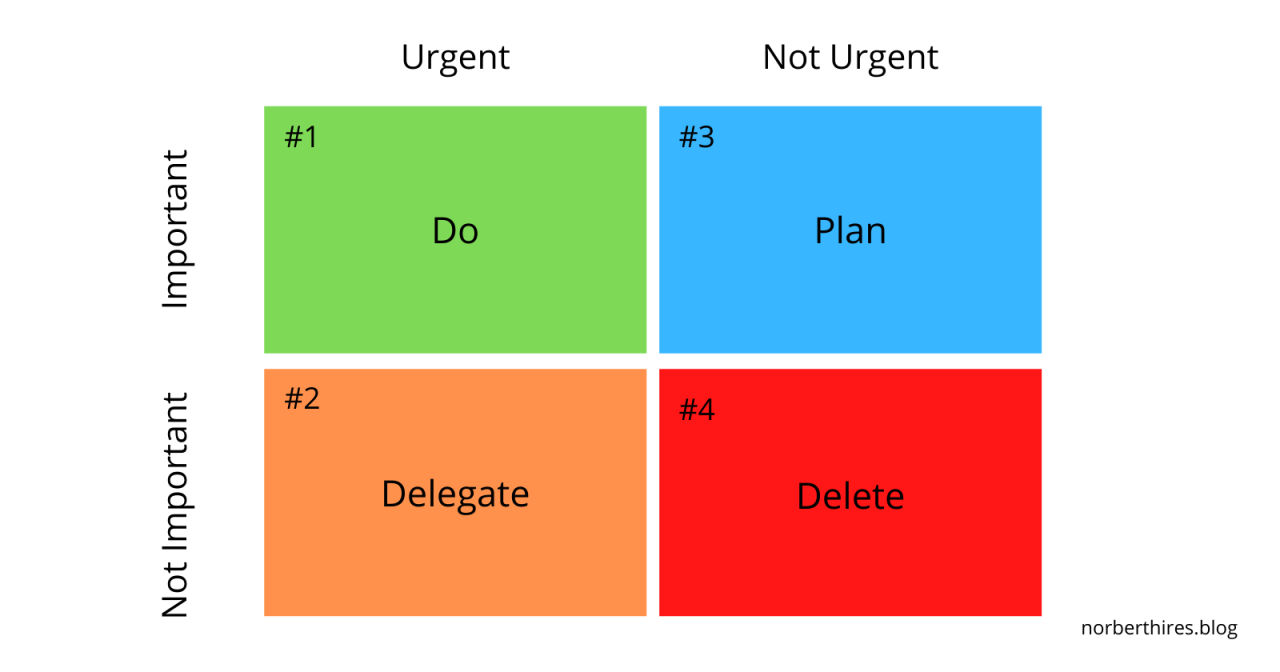
The Eisenhower Matrix is a prominent task management tool that enables individuals to categorize tasks based on urgency and importance. While it is highly effective, it is essential to compare it with other task management techniques to understand its unique advantages and limitations. This comparison will illuminate the contexts in which the Eisenhower Matrix excels or falls short relative to alternative methods.The Eisenhower Matrix primarily focuses on prioritization, dividing tasks into four quadrants based on their urgency and importance.
However, other task management tools utilize different approaches, such as lists, digital applications, and techniques rooted in Agile methodologies. Below, a comparison table illustrates the key features and characteristics of several task management methods, highlighting their strengths and weaknesses.
Comparison of Task Management Methods
The following table summarizes the essential features of various task management methods, providing a clear perspective on how they differ from the Eisenhower Matrix.
| Method | Focus | Structure | Best Use Cases |
|---|---|---|---|
| Eisenhower Matrix | Prioritization | Four Quadrants | Time-sensitive tasks, decision-making |
| To-Do Lists | Task Tracking | Linear List | Daily task management, straightforward tasks |
| Kanban | Workflow Visualization | Board with Columns | Project management, continuous workflow |
| Getting Things Done (GTD) | Task Organization | Complex System with Contexts | Comprehensive task management, varied priorities |
| Pomodoro Technique | Time Management | Timed Intervals | Focus-intensive work, time-bound tasks |
In specific situations, one task management method may be more advantageous than the others. For instance, the Eisenhower Matrix is ideal for individuals who often face competing priorities and need to make quick decisions regarding what tasks to focus on. Conversely, To-Do Lists might be more suitable for someone who prefers a straightforward approach to manage daily tasks without the complexity of categorization.Kanban is highly effective in environments that require visual workflow management, such as software development or manufacturing, where tasks continuously flow through different stages of production.
The GTD method is beneficial for those who have multifaceted roles and need to maintain an organized overview of various contexts and tasks. Lastly, the Pomodoro Technique aids users in boosting focus and productivity by breaking work into manageable intervals, ideal for those who struggle with prolonged concentration.This comparative analysis underscores that while the Eisenhower Matrix offers a solid framework for prioritization, selecting the right task management method ultimately depends on individual preferences, the nature of the work at hand, and specific situational demands.
Each method has its unique strengths, making it crucial for users to assess their needs and the tasks they face.
Case Studies and Real-World Applications
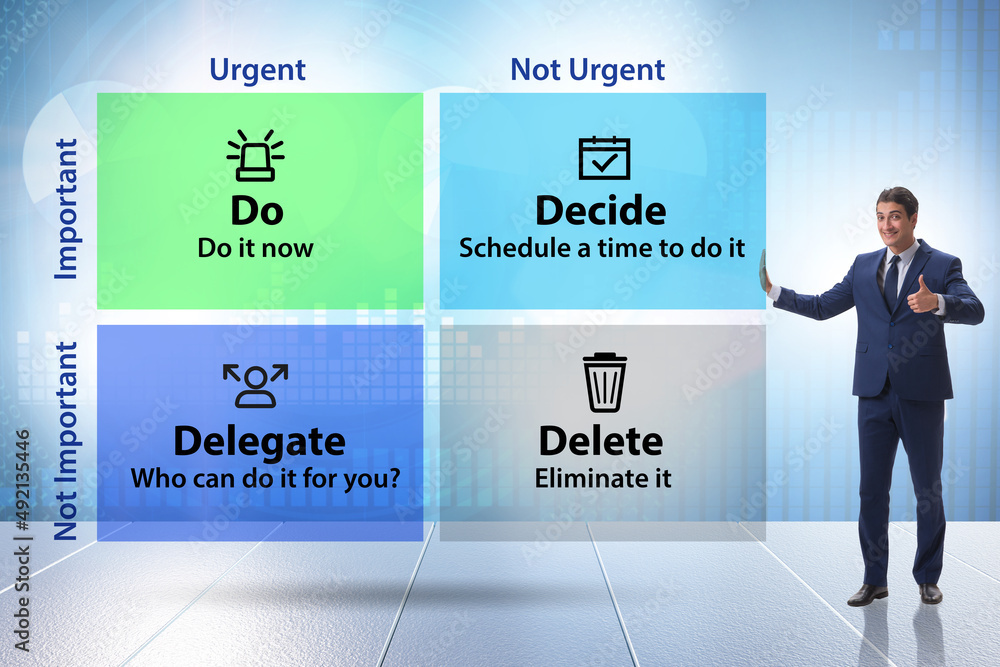
The Eisenhower Matrix has been successfully implemented by various individuals and organizations, demonstrating its versatility and effectiveness in different contexts. This section will highlight specific examples that illustrate the impact of the matrix on productivity and project outcomes.
Implementation by a Tech Startup
A tech startup, aiming to streamline its project management processes, adopted the Eisenhower Matrix to enhance team productivity. Facing tight deadlines and competing priorities, the team categorized tasks based on urgency and importance. The process revealed that many tasks, initially perceived as urgent, were actually not critical to the company’s strategic objectives. By focusing on high-impact activities, such as product development and customer engagement, the team improved its delivery timelines.The matrix facilitated clearer communication among team members regarding priorities, leading to a noticeable increase in project outcomes.
The startup reported a 30% improvement in on-time project deliverables within three months of implementation, illustrating the matrix’s effectiveness in a fast-paced environment.
Application in Personal Productivity
An individual working in a corporate setting utilized the Eisenhower Matrix to manage daily tasks and personal commitments. Initially overwhelmed by a growing to-do list, this person began categorizing tasks into the four quadrants of the matrix.By identifying tasks that were both urgent and important, such as preparing for a crucial presentation, they prioritized effectively and allocated time accordingly. Lesser important tasks, like checking emails or scheduling meetings, were delegated or postponed.
As a result, this individual experienced a significant reduction in stress levels and an increase in overall productivity. The practice of using the Eisenhower Matrix allowed for better work-life balance, ultimately enhancing job satisfaction and performance.
Non-Profit Organization’s Strategic Planning
A non-profit organization focused on community development adopted the Eisenhower Matrix during its strategic planning sessions. The organization faced challenges in managing multiple projects with limited resources.By employing the matrix, the leadership team identified priority areas that directly aligned with their mission, such as community outreach initiatives and fundraising efforts. They categorized tasks to distinguish between activities that required immediate attention and those that could be planned for future execution.This structured approach not only optimized resource allocation but also fostered a culture of accountability within the organization.
As a result, the non-profit reported an increase in project effectiveness and community impact, successfully launching two major initiatives within the fiscal year.
Educational Institution’s Curriculum Management
An educational institution implemented the Eisenhower Matrix to manage curriculum development and faculty responsibilities. Faculty members were trained to categorize their tasks effectively, distinguishing between urgent grading deadlines and long-term curriculum planning.This methodology empowered educators to prioritize tasks more strategically, reducing last-minute rushes and enhancing the quality of educational materials. As faculty members began to focus on important tasks, such as curriculum innovation and student engagement strategies, student performance improved significantly.The institution noted a 15% increase in student satisfaction ratings over the academic year, attributing this success to the focused efforts of the faculty, which were facilitated by the Eisenhower Matrix.
The Eisenhower Matrix provides clarity in decision-making, enabling individuals and organizations to focus on what truly matters.
Advanced Techniques for Maximizing the Matrix
Integrating the Eisenhower Matrix with other productivity systems can enhance its effectiveness, allowing for a more comprehensive approach to task management. As individuals and organizations strive for greater efficiency, refining task definitions and prioritization becomes essential. This section will explore advanced techniques that can maximize the utility of the Eisenhower Matrix, including integration strategies and a curated list of complementary tools.
Integration with Other Productivity Systems
Incorporating the Eisenhower Matrix with other productivity methodologies amplifies its impact. Agile frameworks, for instance, can provide flexibility and speed in task execution, while GTD (Getting Things Done) emphasizes capturing and processing tasks, aligning perfectly with the matrix’s focus on prioritization. The integration allows for a dynamic workflow where tasks can be continuously evaluated and adjusted based on changing priorities.
Refining Task Definitions and Prioritization
Over time, the clarity of task definitions can diminish due to evolving circumstances or shifting goals. Regularly revisiting and refining task descriptions helps maintain focus and ensures that tasks remain relevant. Strategies for this refinement include:
- Conducting periodic reviews of tasks to assess their alignment with long-term goals.
- Breaking down larger tasks into smaller, manageable components for better prioritization.
- Utilizing feedback from team members to gain diverse perspectives on task importance.
- Employing metrics or KPIs to measure the impact of completed tasks on overall objectives.
Complementary Apps and Tools
Utilizing various applications can enhance the functionality of the Eisenhower Matrix. These tools can provide additional layers of organization, tracking, and analysis. The following list includes several notable applications that complement the Eisenhower Matrix:
- Trello: A visual project management tool that allows for easy organization of tasks in a board format, making it simple to categorize them into the four quadrants.
- Todoist: A task management application that includes priority levels, helping users to sort tasks in accordance with the Eisenhower Matrix.
- Asana: This tool provides project tracking and team collaboration features, enabling the application of the matrix within team settings.
- Notion: A versatile workspace that combines notes, tasks, and databases, allowing users to create a custom Eisenhower Matrix layout.
- Microsoft To Do: An intuitive task manager that integrates well with other Microsoft products, helping users prioritize tasks effectively.
Incorporating these advanced techniques not only enhances the functionality of the Eisenhower Matrix but also fosters a more organized and productive work environment.
Concluding Remarks
In conclusion, mastering How to Use the Eisenhower Matrix to Prioritize Tasks can significantly impact both personal and professional productivity. By implementing this powerful tool, individuals can avoid common pitfalls and focus on high-impact tasks that drive results. Ultimately, the Eisenhower Matrix not only simplifies task management but also fosters a deeper understanding of our priorities, ensuring that we allocate our time effectively and purposefully.