Delving into How to Use the Pomodoro Technique for Intense Focus, this introduction explores the origins and fundamental principles of this highly effective time management method. Developed by Francesco Cirillo in the late 1980s, the Pomodoro Technique is designed to enhance productivity through structured intervals of focused work followed by short breaks. This approach not only aids in improving concentration but also fosters a healthier work-life balance, making it a practical solution for anyone looking to sharpen their focus and boost their efficiency.
In this overview, we will discuss the essential elements of the Pomodoro Technique, from setting up your workspace to overcoming distractions. By understanding the core components of this technique, readers will be equipped to implement it effectively in their daily routines, ultimately leading to enhanced focus and productivity.
Introduction to the Pomodoro Technique

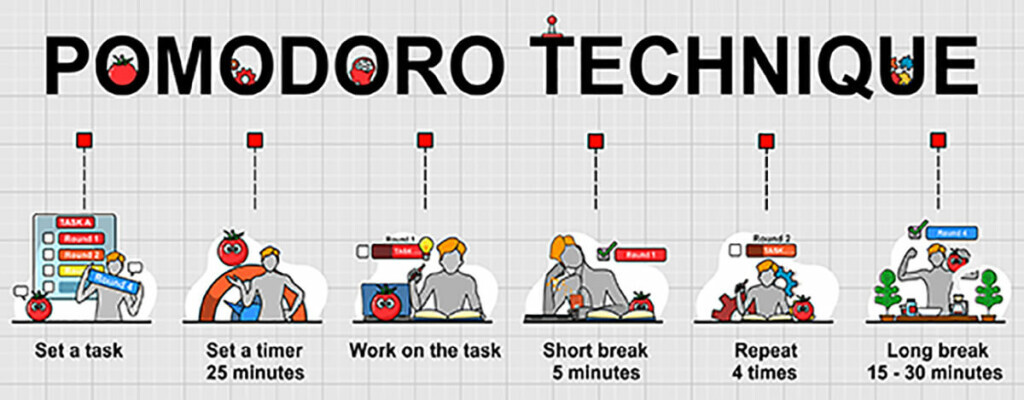
The Pomodoro Technique is a time management method developed by Francesco Cirillo in the late 1980s. Named after the Italian word for “tomato,” which is represented by the tomato-shaped kitchen timer Cirillo used during his university days, this technique has gained immense popularity among students, professionals, and anyone seeking to enhance their focus and productivity.The core of the Pomodoro Technique revolves around the use of timed intervals, traditionally set at 25 minutes, known as “Pomodoros,” followed by short breaks.
After completing four Pomodoros, a longer break of 15-30 minutes is taken. This structured approach not only helps individuals manage their time more effectively but also encourages sustained concentration while reducing mental fatigue.
Principles and Structure of the Technique
Understanding the fundamental principles of the Pomodoro Technique is essential for its successful implementation. The following points Artikel its structure and usage:
- Time Blocks: Work is divided into intervals, typically 25 minutes long, during which focused work is performed. This interval is designed to maximize concentration and minimize distractions.
- Short Breaks: After each Pomodoro, a 5-minute break is taken to recharge mentally. This break serves as a reward for completing a focused work session.
- Long Breaks: After four Pomodoros, a longer break of 15-30 minutes is encouraged. This extended rest allows for deeper relaxation and recuperation.
- Tracking Progress: Keeping a record of completed Pomodoros helps users monitor their productivity and identify areas for improvement.
The benefits of utilizing the Pomodoro Technique are substantial. Users often experience enhanced focus and concentration, improved time management skills, and a reduction in feelings of overwhelm. By breaking tasks into manageable segments, individuals can tackle larger projects without the anxiety that often accompanies them, resulting in a more satisfying work experience. Additionally, the regular breaks contribute to sustained energy levels and mental clarity throughout the day.
The Pomodoro Technique effectively transforms work into a series of manageable intervals, fostering productivity and focus through structured time management.
Setting Up the Pomodoro Technique

To effectively implement the Pomodoro Technique, it is essential to establish a solid foundation. This involves gathering the necessary materials, creating an optimal workspace, and developing a structured schedule that integrates Pomodoro sessions seamlessly into daily tasks. By adhering to these guidelines, individuals can maximize their productivity and focus.
Materials Needed for the Pomodoro Technique
Having the right materials is crucial for successfully utilizing the Pomodoro Technique. The following items can enhance the effectiveness of this time management strategy:
- Timer: A reliable timer is the cornerstone of the Pomodoro Technique. Whether it is a traditional kitchen timer, a smartphone app, or an online timer, having a device that can count down 25 minutes is essential.
- Notebook or Digital Tool: Keep a notebook or use a digital tool to jot down tasks, track completed Pomodoros, and note any distractions that arise during sessions. This will help in assessing productivity patterns.
- Writing Instruments: If using a notebook, ensure you have pens or pencils ready. For digital note-taking, a charged device is necessary.
- Comfortable Seating: Invest in a comfortable chair to support prolonged focus during intense work sessions.
- Noise-Canceling Headphones: If distractions are prevalent in your environment, consider using noise-canceling headphones to create a more focused atmosphere.
Organizing a Conducive Workspace
A well-organized workspace plays a vital role in facilitating concentration and productivity. The following tips can help create an environment that is conducive to the Pomodoro Technique:
- Declutter Your Space: Ensure that your workspace is free from unnecessary clutter. A tidy environment helps minimize distractions and can enhance focus.
- Good Lighting: Proper lighting is essential to avoid eye strain and maintain energy levels. Natural light is preferred, but adjustable desk lamps can also provide adequate illumination.
- Personal Touches: Including minimal personal items, such as a plant or a motivational quote, can create a pleasant ambiance without overwhelming the workspace.
- Tech Setup: Ensure that your computer and other devices are functioning properly and that software needed for work is readily accessible. Disable notifications to limit distractions during Pomodoro sessions.
Creating a Pomodoro Schedule
Integrating Pomodoro sessions into your daily routine requires careful scheduling. An effective schedule will not only optimize productivity but also allow for necessary breaks and reflections.
- Identify Tasks: Begin by listing tasks that need to be accomplished. Break larger tasks into smaller, manageable pieces that can be completed within individual Pomodoro sessions.
- Allocate Time Blocks: Assign specific time blocks for each Pomodoro session. Typically, a session lasts for 25 minutes, followed by a 5-minute break. After completing four Pomodoros, take a longer break of 15 to 30 minutes.
- Prioritize Tasks: Determine the priority of tasks based on deadlines and importance. Start with high-priority tasks during your most productive hours.
- Review and Adjust: At the end of each day or week, assess your productivity and make any necessary adjustments to your schedule. This could include changing the length of sessions or the tasks you focus on.
“Effective time management involves not just doing more, but doing the right tasks efficiently.”
Implementing the Pomodoro Technique
Implementing the Pomodoro Technique involves setting a structured approach to work, enabling enhanced focus and productivity. This method encourages short bursts of concentrated effort followed by brief breaks, which can significantly increase mental agility and task completion rates.
Setting a Timer for Pomodoro Sessions
To effectively utilize the Pomodoro Technique, the first step is to set a timer for your Pomodoro sessions. Typically, a session lasts for 25 minutes, followed by a 5-minute break. This cycle is referred to as a “Pomodoro.” Here’s a structured process to set your timer accurately:
1. Choose a Reliable Timer
Select a timer that works best for you. This could be a traditional kitchen timer, a smartphone app, or an online timer specifically designed for the Pomodoro Technique.
2. Set the Duration
Set the timer for 25 minutes. Many apps allow you to customize this duration, but beginners may benefit from sticking to the traditional 25 minutes to assess their focus levels.
3. Initiate the Session
Once your timer is set, commence your work on the chosen task. Avoid distractions during this period.
4. Listen for the Timer
When the timer signals the end of the Pomodoro session, stop your work immediately, regardless of your progress on the task.
5. Take a Scheduled Break
After the session, take a 5-minute break to rejuvenate your mind before starting the next Pomodoro.
Choosing Tasks for Each Pomodoro Session
Selecting the right tasks to focus on during your Pomodoro sessions is crucial for maximizing productivity. Consider the following steps to effectively choose tasks:
Prioritize Your Tasks
List out tasks based on urgency and importance. The Eisenhower Matrix is a useful tool to categorize tasks into four quadrants: urgent and important, important but not urgent, urgent but not important, and neither urgent nor important.
Break Down Larger Tasks
Large projects can feel overwhelming and might lead to procrastination. It is beneficial to divide them into smaller, manageable tasks that can be completed within one or two Pomodoros.
Be Realistic
Assess your capabilities and availability. Choose tasks that can realistically be completed in a single Pomodoro session to prevent frustration and maintain motivation.
Flexibility
Sometimes, tasks may take longer than expected. Be open to adjusting your task list based on real-time progress and feedback from earlier Pomodoros.
Strategies for Maintaining Focus During Each Pomodoro Session
Maintaining focus during each Pomodoro session is essential for achieving the desired productivity levels. Implementing the following strategies can enhance your focus:
Eliminate Distractions
Before starting your Pomodoro, create an environment conducive to concentration. This may involve turning off notifications on your devices and informing others that you will be unavailable for the duration of the session.
Use Tools to Aid Concentration
Tools such as website blockers can be helpful in preventing access to distracting sites. Productivity apps can also assist in keeping you on track.
Minimize Multitasking
Focus on one task at a time. Multitasking can dilute your attention and lead to a decrease in overall productivity.
Practice Mindfulness
Engage in mindfulness techniques or brief breathing exercises before starting a Pomodoro to clear your mind and enhance your focus.
Adjust as Necessary
If you find a particular task difficult to concentrate on, consider switching to another task for that session, provided it aligns with your overall goals.
Managing Breaks Effectively
The Pomodoro Technique emphasizes the significance of incorporating breaks within the workflow to enhance overall productivity and mental clarity. Breaks serve as essential intervals that allow the brain to rest, recharge, and process information, ultimately fostering a more effective working environment. Understanding how to manage these breaks effectively is crucial to making the most of this time management method.The structure of breaks in the Pomodoro Technique is designed to create a balance between focused work and necessary rest.
Typically, after each 25-minute Pomodoro session, a short break of 5 minutes is taken, allowing for a brief mental reset. After completing four Pomodoros, a longer break of 15 to 30 minutes is encouraged. This schedule helps to prevent cognitive fatigue and maintain high levels of focus throughout the day.
Break Schedule and Its Purpose
Establishing a well-defined break schedule is paramount for maximizing productivity. Below is a structured Artikel of the recommended break intervals:
- Short Breaks: After each 25-minute focused work session (Pomodoro), take a 5-minute break.
- Long Breaks: After completing four Pomodoros, take a longer break of 15 to 30 minutes.
The purpose of these breaks is twofold: short breaks help maintain concentration and sustain energy levels during work sessions, while long breaks provide a more substantial respite that can rejuvenate mental faculties and prevent burnout.
Activities for Effective Breaks
Engaging in specific activities during breaks can significantly enhance their effectiveness and help recharge the mind. It is essential to choose activities that promote relaxation and invigorate the body. Consider the following activities:
- Physical Movement: Stretching, walking, or light exercise can help release tension and improve blood circulation.
- Meditation or Deep Breathing: These practices can help clear the mind, reduce stress, and improve focus when returning to work.
- Hydration and Nutrition: Drinking water or enjoying a healthy snack can replenish energy levels and keep the body functioning optimally.
- Mindful Breaks: Simply stepping away from screens and allowing thoughts to roam freely can lead to creative insights and problem-solving solutions.
Utilizing these activities during break times will ensure that each break is purposeful, aiding in cognitive recovery and preparing the individual for the next focused work session. Incorporating effective breaks into the Pomodoro Technique not only enhances overall productivity but also contributes to long-term focus and well-being.
Overcoming Distractions
In today’s fast-paced world, distractions can significantly hinder our ability to focus, particularly during dedicated work intervals like those used in the Pomodoro Technique. Recognizing these distractions and implementing strategies to minimize their impact is crucial for maintaining intense focus and productivity. By understanding common sources of interruptions and developing effective countermeasures, individuals can enhance their effectiveness during Pomodoro sessions.Identifying common distractions is the first step towards overcoming them.
Common distractions include notifications from electronic devices, environmental noise, and even internal factors such as wandering thoughts. Each of these can disrupt the flow of concentration, leading to inefficiencies and diminished work quality. Addressing these distractions proactively is vital for maintaining focus during Pomodoro intervals.
Strategies to Minimize Distractions
To create an effective working environment, it is essential to adopt strategies that can help mitigate distractions. The following list Artikels practical methods for minimizing interruptions during Pomodoro sessions, thereby fostering a conducive atmosphere for focused work:
- Turn Off Notifications: Disable notifications on your devices to prevent disruptions from emails, social media, and messaging apps.
- Designate a Quiet Workspace: Choose a specific area that is free from noise and interruptions, ideally with minimal foot traffic and background activity.
- Use Noise-Cancelling Headphones: These can help block out environmental noise, allowing for better concentration on the tasks at hand.
- Establish Clear Boundaries: Inform colleagues or family members of your Pomodoro schedule to reduce potential interruptions during your focus periods.
- Limit Multitasking: Focus on one task at a time to reduce cognitive load and improve overall efficiency.
In addition to minimizing distractions, it is essential to develop techniques for managing interruptions that may arise during Pomodoro sessions. Even with the best intentions, unexpected events can occur, and having a plan in place can help maintain focus.
Techniques for Managing Interruptions
When interruptions happen, maintaining adherence to the Pomodoro Technique requires thoughtful strategies. The following techniques can help you effectively deal with interruptions while staying true to your focus plan:
- Use a “Do Not Disturb” Sign: When engaged in a Pomodoro session, hang a sign indicating your unavailability to minimize casual interruptions.
- Quickly Address Urgent Issues: If an interruption is unavoidable, take a brief moment to assess its urgency and determine if it requires immediate attention or can wait until after your Pomodoro session.
- Keep a Notepad Nearby: Jot down any distracting thoughts or tasks that come to mind during your focus session. This allows you to address them later without losing your current momentum.
- Schedule Breaks for Communication: Set specific times during your breaks to check messages or return calls. This helps manage communications while preserving focus during work intervals.
- Practice Mindfulness Techniques: Incorporating mindfulness practices can improve your ability to stay present, allowing you to quickly refocus after an interruption.
Adapting the Pomodoro Technique

The Pomodoro Technique, while effective, can benefit from adaptations to fit various work environments and individual preferences. By modifying this time management method, users can enhance their focus and productivity across different settings. Understanding how to tailor the technique allows individuals to find a version that resonates with their unique work habits and challenges.Different work environments may require distinct approaches to the Pomodoro Technique.
For instance, those working in collaborative spaces may find it beneficial to adjust the length of work sessions or breaks. A more flexible structure can accommodate team dynamics while still maintaining the core principles of the technique.
Modifications for Work Environments
Adapting the Pomodoro Technique according to the work environment is vital for maintaining productivity. Here are several modifications that can be made based on different settings:
- Open Office Spaces: In environments with frequent interruptions, consider shorter Pomodoros of 20-25 minutes, followed by 3-5 minute breaks. This allows for quick resets and decreases the chance of losing focus due to external distractions.
- Remote Work: For those working from home, a longer Pomodoro session of up to 40 minutes may be more effective, coupled with 10-minute breaks. This structure can facilitate deeper focus, especially in quieter settings.
- Team Collaboration: When working in teams, synchronize Pomodoro sessions with team members to foster a shared focus period. This can be complemented with a 5-minute group check-in after every session to enhance communication and collaboration.
Variations of the Pomodoro Technique
Personal preferences play a significant role in productivity. Different variations of the Pomodoro Technique can help individuals tailor their approach. Below are a few popular adaptations:
- Customizable Lengths: Instead of adhering to the standard 25-minute work period, some may prefer a 50/10 split, working for 50 minutes followed by a 10-minute break. This variation is ideal for tasks that require sustained concentration.
- The 52/17 Rule: Research indicates that 52 minutes of focused work followed by a 17-minute break can maximize productivity. This rhythm aligns with the natural attention span and is worth exploring for enhanced efficiency.
- Flexible Breaks: Some may find it beneficial to have longer breaks of 15-20 minutes after completing two or three Pomodoros, allowing for deeper relaxation and recovery before the next work cycle.
Integrating with Other Productivity Methods
Combining the Pomodoro Technique with other productivity methodologies can yield excellent results. Here are some strategies for integration:
- Getting Things Done (GTD): Use the Pomodoro Technique to execute tasks identified in your GTD list. Allocate Pomodoros to specific tasks each week, which can enhance focus and ensure timely progress.
- The Eisenhower Matrix: Prioritize tasks using the Eisenhower Matrix and allocate Pomodoros based on urgency and importance. This helps to ensure that time is spent efficiently on what truly matters.
- Time Blocking: Time blocking involves scheduling specific blocks of time for different tasks. Integrate Pomodoros within these blocks to create a structured, focused work period that enhances overall productivity.
“The Pomodoro Technique can be customized to fit various unique working styles, enhancing focus and efficiency across different environments.”
Tracking Progress and Results
Monitoring productivity levels is essential for evaluating the effectiveness of the Pomodoro Technique. By tracking your progress, you can identify patterns, assess your focus during work sessions, and make informed adjustments to improve your productivity. This process involves documenting the time spent on tasks, the number of pomodoros completed, and the breaks taken.A well-structured method for tracking productivity can enhance both accountability and motivation.
Consider maintaining a productivity journal or utilizing digital tools specifically designed for this purpose. This journal should include details such as the tasks worked on, the number of pomodoros dedicated to each task, and your reflections on how you felt during each session.
Recording Productivity Levels
Establish a systematic approach to document your productivity through the following steps:
- Daily Log: Create a daily log dedicated to tracking your pomodoros. Record the date, tasks, number of pomodoros completed, and any interruptions experienced. This log serves as a reference to evaluate your focus over time.
- Time Tracking Tools: Utilize digital tools or apps that facilitate time tracking. Applications like Toggl or Clockify can help in easily recording and analyzing your pomodoro sessions and productivity levels.
- Weekly Review: Conduct a weekly review of your recorded data. Evaluate which tasks required more pomodoros and identify any consistent distractions that hindered your focus.
Implementing a reflective framework allows you to analyze the effectiveness of the Pomodoro Technique. This involves assessing your productivity data and adjusting your approach based on your findings.
Reflecting on Effectiveness
Engage in a structured reflection process to gauge how well the technique works for you:
- Analyze Patterns: Look for recurring patterns in your productivity logs. Identify tasks that consistently exceed your estimated pomodoros, and consider if your time estimations need adjustment.
- Assess Break Quality: Reflect on the effectiveness of your breaks. Are you returning to work feeling refreshed? If not, consider altering the duration or type of break taken.
- Evaluate Emotional State: Pay attention to how you feel during and after each pomodoro session. Note if you experience fatigue or heightened focus, and adjust your workload accordingly.
Adjusting the Pomodoro Technique is crucial for personal optimization. Your unique working style and productivity levels dictate necessary modifications.
Adjusting Based on Findings
Tailor the Pomodoro Technique to suit your needs by considering the following adjustments:
- Customize Pomodoro Length: If you find that 25 minutes is too long or too short, experiment with different lengths. Adjusting the duration to 30 or even 20 minutes may yield better focus.
- Modify Break Frequency: Depending on your concentration stamina, you might benefit from shorter, more frequent breaks or longer, less frequent ones.
- Adapt Task Types: Identify which tasks align best with your productivity peaks. Consider scheduling more demanding tasks during times when you feel most focused and energized.
Through diligent tracking and reflection, you can optimize your use of the Pomodoro Technique, enhancing your ability to maintain intense focus and achieve your productivity goals.
Advanced Techniques and Tools
The Pomodoro Technique can be significantly enhanced through the integration of advanced tools and applications designed to optimize the experience. Utilizing specialized software not only streamlines the process but also adds a layer of efficiency that can lead to improved productivity. This section explores various tools that complement the Pomodoro Technique, along with insights into combining it with other time management strategies and its applicability in team settings.
Advanced Tools and Apps for Pomodoro Technique
Numerous applications are available that can enhance the Pomodoro experience, giving users the ability to customize their workflow, track productivity, and minimize distractions. Choosing the right tools can greatly impact how effectively one implements the technique. Below are some recommended applications:
- Focus@Will: This app combines music with the Pomodoro Technique, offering tailored playlists designed to enhance concentration and reduce distractions during work sessions.
- Tomato Timer: A simple yet effective web application that allows users to set specific Pomodoro intervals and break times. Its minimalist design aids in reducing cognitive load.
- Forest: An innovative app that encourages focus by allowing users to grow virtual trees, which thrive during uninterrupted work sessions, adding a gamified element to productivity.
- Trello: When combined with the Pomodoro Technique, Trello can help manage tasks visually. Users can allocate Pomodoro sessions to specific cards, fostering a structured approach to project completion.
Combining Pomodoro Technique with Time Management Tools
Integrating the Pomodoro Technique with comprehensive time management tools can lead to enhanced productivity and better task organization. Time management frameworks such as Getting Things Done (GTD) or the Eisenhower Matrix can be harmonized with the Pomodoro Technique for improved results. This synergy allows individuals to prioritize tasks while maintaining focus during work intervals.For example, using a time management tool, one can categorize tasks according to urgency and importance, then allocate specific Pomodoro sessions to tackle these tasks efficiently.
This practice not only boosts accountability but also helps in visualizing the workload, leading to more structured completion of projects.
Using the Pomodoro Technique in Team Settings
The Pomodoro Technique is not limited to individual productivity; it can also be effectively utilized in team environments and collaborative projects. By adopting a synchronized Pomodoro approach, team members can align their focus periods and break times, fostering a culture of collaboration and shared commitment to productivity.In a team setting, the Pomodoro Technique can be implemented as follows:
- Establish common Pomodoro sessions where all team members work simultaneously on collaborative tasks, enhancing synergy and communication.
- Utilize tools like Slack or Microsoft Teams to communicate during Pomodoro sessions, ensuring that team members can support each other while minimizing interruptions.
- Encourage team debriefs during breaks to discuss progress, share insights, and adjust strategies, thereby enhancing team cohesion and motivation.
Utilizing the Pomodoro Technique in this manner can lead to increased focus and productivity, ultimately benefiting the overall team dynamics and project outcomes.
End of Discussion

In conclusion, mastering the Pomodoro Technique can transform the way you approach work by instilling a rhythm of intense focus followed by restorative breaks. By effectively managing your time and minimizing distractions, you can unlock a new level of productivity while still maintaining your well-being. As you embark on this journey of improved focus, remember to adapt the technique to fit your unique work style and environment, ensuring the best possible outcomes for your productivity goals.