How to Use Time Tracking Software to Improve Your Workflow is an essential guide that explores the pivotal role of time tracking tools in enhancing productivity. These software solutions not only help individuals and teams manage their time more effectively but also provide insightful data that can lead to significant improvements in workflow efficiency.
By implementing time tracking software, users can gain a clear overview of how their time is allocated across various tasks and projects, which in turn aids in making informed decisions about resource management and prioritization. This overview leads to better-organized work processes, increased accountability, and ultimately, a more streamlined workflow.
Introduction to Time Tracking Software
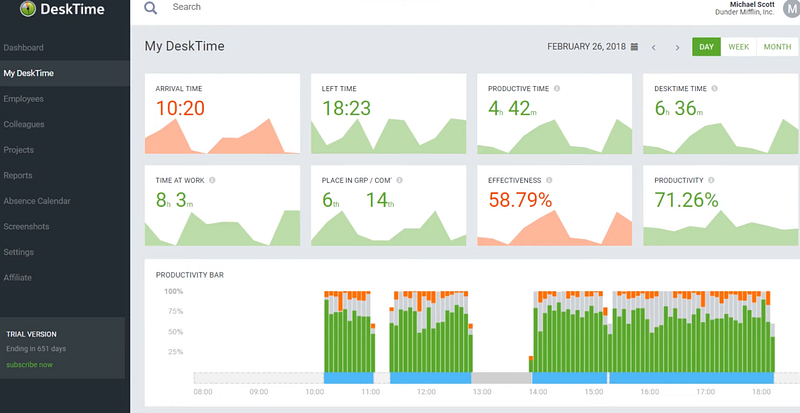
Time tracking software serves as a vital tool in enhancing workflow efficiency by allowing individuals and teams to monitor how their time is spent on various tasks and projects. By accurately recording time, users can gain insights into their productivity patterns, identify areas for improvement, and make data-driven decisions to optimize their work processes. The implementation of such software not only aids in personal accountability but also facilitates better resource management in team settings.Typically, time tracking software encompasses a variety of features designed to streamline the tracking process.
These features may include automated time capture, detailed reporting, project and task management capabilities, integrations with other productivity tools, and user-friendly interfaces. Each of these elements contributes to a comprehensive understanding of time utilization and helps users to allocate their efforts more effectively.
Key Features of Time Tracking Software
Understanding the features of time tracking software is essential for leveraging its full potential. The following key functionalities highlight the importance of these tools in enhancing productivity:
- Automated Time Tracking: This feature records time spent on tasks automatically, minimizing the need for manual entries and ensuring accuracy.
- Reporting and Analytics: Comprehensive reports provide insights into time use, helping users identify trends and optimize their schedules.
- Task and Project Management: Integration with project management tools allows for better organization and prioritization of tasks, ensuring that deadlines are met.
- Team Collaboration: Most time tracking software supports collaborative features that enable teams to share progress and communicate effectively, fostering a collaborative work environment.
- Mobile Accessibility: Many solutions offer mobile applications, allowing users to track their time on the go, which is crucial for remote workers and those who frequently travel.
Implementing time tracking software significantly boosts both personal and team productivity. The advantages of adopting such systems can be summarized as follows:
“Time tracking not only helps individuals to manage their time efficiently but also enhances the overall productivity of teams by providing transparency and accountability.”
The process of tracking time can uncover hidden inefficiencies, allowing for strategic adjustments in workflow. For example, a study found that organizations utilizing time tracking reported a 20% increase in overall productivity, primarily by reallocating time from underperforming activities to high-impact tasks. Furthermore, the data collected can be instrumental in setting realistic deadlines, improving project planning, and ensuring that team members are not overburdened, thus leading to higher job satisfaction and better work quality.
Selecting the Right Time Tracking Tool
Choosing the appropriate time tracking software is pivotal for enhancing productivity and optimizing workflow. With a myriad of options available, it is essential to identify which tool best aligns with your specific needs. This selection process can significantly impact how effectively you manage time, resources, and overall project efficiency.To ensure that you select the most suitable time tracking software, consider the following key criteria that will help guide your decision:
Criteria for Choosing Time Tracking Software
Identifying critical criteria will aid in narrowing down your options. Below are important factors to consider:
- Usability: The software should be intuitive and user-friendly, enabling seamless adoption by all team members.
- Features: Evaluate the specific features required, such as reporting, invoicing, integrations, and mobile access.
- Pricing: Compare pricing models (subscription vs. one-time payment) and ensure the software fits within your budget.
- Customer Support: Reliable customer support options are essential for troubleshooting and ensuring smooth operation.
- Compatibility: Ensure compatibility with existing tools and systems to facilitate smooth integration.
Comparison of Popular Time Tracking Tools
A few popular time tracking tools each offer unique features, usability, and pricing structures. Below is a comparative overview:
| Tool | Usability | Key Features | Pricing |
|---|---|---|---|
| Toggl | User-friendly interface with mobile app | One-click time tracking, detailed reporting | Free tier available; paid plans start at $10/month |
| Harvest | Simple and straightforward | Invoicing, project tracking, expense tracking | Free for one user; $12/month for additional users |
| Clockify | Easy to navigate | Unlimited tracking, reporting, and team management | Free tier available; paid plans start at $9.99/month |
Checklist for Evaluating Time Tracking Options
Using a checklist can simplify the evaluation process and ensure that you do not overlook critical aspects. Below is a suggested checklist to assist with your assessment:
- Is the software easy to use and navigate?
- Does it provide the necessary features to meet my needs?
- What are the pricing options, and do they fit within my budget?
- Is there reliable customer support available if needed?
- Can it integrate with other tools I currently use?
Setting Up Time Tracking Software
Implementing time tracking software effectively can significantly enhance productivity and streamline workflows. By following the correct procedures for installation, configuration, and integration, organizations can maximize the benefits of these tools. A structured approach ensures that both the software and its features are utilized to their full potential, leading to improved time management and accountability across teams.
Installation and Configuration Steps
Proper installation and configuration are vital for time tracking software to function seamlessly within your operational structure. The following steps Artikel the necessary actions to set up your software effectively:
- Download and Install: Begin by downloading the software from the official website. Follow the installation prompts specific to your operating system (Windows, macOS, or Linux). Ensure you meet the system requirements before proceeding.
- Initial Configuration: After installation, launch the application. Go through the initial setup wizard, which typically includes selecting your timezone, currency settings, and any necessary integrations with other platforms.
- Customization: Customize the software settings according to your organization’s needs. This may involve setting up specific categories for tracking, such as project names or task descriptions, and enabling notifications for reminders.
- Testing: Conduct a test run to ensure all functionalities are operational. Test time logging for different tasks and verify that data is being recorded accurately.
Integrating Time Tracking Software with Other Productivity Tools
Integration with existing productivity tools can enhance efficiency and data sharing across platforms. This step is crucial to ensure that time tracking aligns with project management and team communication systems. Here are key considerations for successful integration:
Integration simplifies workflows by allowing data to flow seamlessly between applications.
When selecting integrations, consider the following:
- Identify Compatible Tools: Review the software’s documentation to determine which platforms it integrates with, such as project management tools (e.g., Trello, Asana) or communication apps (e.g., Slack, Microsoft Teams).
- API Access: If your organization uses bespoke systems, ensure that the time tracking software provides API access to facilitate custom integrations, enabling tailored solutions that fit your specific workflow.
- Verify Data Sync: After setting up integrations, conduct thorough checks to ensure that data synchronizes correctly. This step is essential to maintain accuracy in tracking and reporting.
- Training and Updates: Offer training sessions for users on the new integrations. Regularly update both the time tracking software and integrated applications to maintain compatibility and leverage new features.
User Accounts and Permissions Setup
Establishing user accounts and permissions is essential to safeguard sensitive data while ensuring team members have the necessary access to perform their tasks efficiently. An organized structure for user management enhances accountability and oversight. Follow these guidelines to set up user accounts and permissions effectively:
Clear role definitions within your team are crucial for maintaining productivity and accountability.
Consider the following when setting up user accounts:
- Define Roles: Clearly define roles within your organization (e.g., admin, manager, employee) to determine access levels. This ensures that sensitive data is protected while still allowing users to access necessary functions.
- Create User Accounts: For each team member, create a user account within the software. Utilize a bulk upload option if available, which can save time for larger teams.
- Assign Permissions: Based on predefined roles, assign appropriate permissions for each user account. For instance, admins may have full access, while employees may have limited access only to their own time entries.
- Regular Review: Schedule regular reviews of user accounts and permissions to ensure they remain relevant as team members join, leave, or change roles within the organization.
Best Practices for Time Tracking
Implementing effective time tracking practices is essential for enhancing productivity and ensuring accurate task management. By adhering to best practices, individuals and teams can optimize their workflows, reduce wasted time, and enhance overall project efficiency. The following points Artikel strategies to make time tracking a seamless part of the workday.
Consistent Time Tracking Throughout the Workday
Establishing a consistent routine for tracking time can significantly impact productivity levels. Here are some methods to ensure that time tracking becomes a regular habit:
- Set Regular Intervals: Allocate specific times during the day to log your hours, such as at the beginning or end of each work session. This creates a structured routine.
- Utilize Reminders: Use calendar notifications or reminders in your time tracking software to prompt you to record your time at intervals throughout the day.
- Keep It Simple: Choose a time tracking tool that is user-friendly and quick to access. This reduces the likelihood of forgetting to track your time.
Categorizing Tasks for Enhanced Tracking Accuracy
Accurate categorization of tasks is crucial for identifying how time is spent and for ensuring that insights gathered from time tracking are actionable. To improve tracking accuracy, consider the following categorization strategies:
- Define Task Categories: Clearly define categories relevant to your work. Common categories include meetings, project work, administrative tasks, and breaks.
- Use Tags and Labels: Leverage tags or labels within your time tracking software to add specificity to tasks, helping to differentiate between similar projects or tasks.
- Regularly Review Categories: Periodically reassess your task categories to ensure they reflect your current workload and priorities, making adjustments as necessary.
Setting Realistic Time Estimates for Tasks
Establishing realistic time estimates for tasks is fundamental to effective time management. This practice not only aids in planning but also helps in achieving deadlines without unnecessary stress. To create accurate time estimates, apply these techniques:
- Analyze Past Performance: Review previous projects to determine how long similar tasks took. Historical data can provide a reliable basis for future estimates.
- Break Down Tasks: Divide larger tasks into smaller, manageable parts. Estimating time for each part can lead to more accurate overall time predictions.
- Use the Pomodoro Technique: This method encourages working in focused intervals (typically 25 minutes) followed by short breaks. This can help gauge how much can realistically be accomplished in a set timeframe.
Analyzing Time Tracking Data
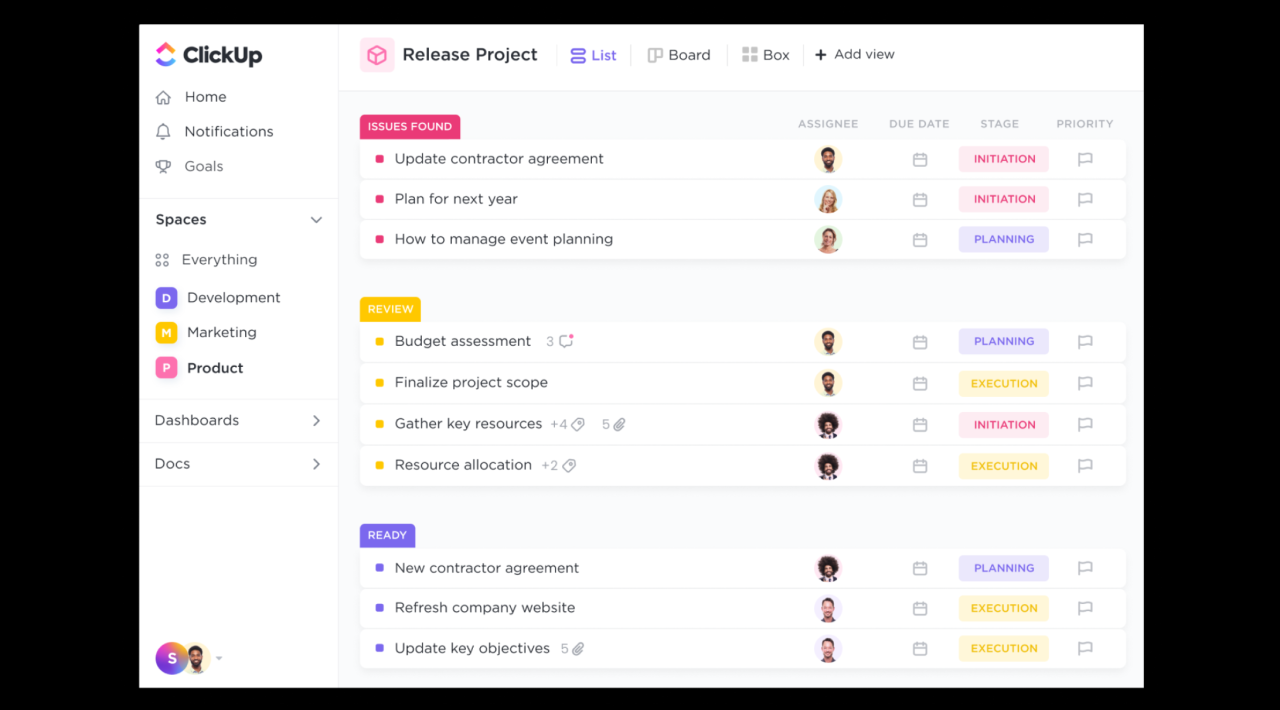
Time tracking software not only helps in measuring the duration spent on various tasks but also provides invaluable insights that can be analyzed to enhance overall productivity. By interpreting the data generated through time tracking, organizations can identify bottlenecks, optimize workflows, and improve resource allocation. This segment focuses on how to effectively analyze time tracking data, identify key metrics, and present insights in a structured manner to stakeholders.
Interpreting Time Tracking Data
Interpreting time tracking data involves transforming raw numbers into actionable insights. Key steps to analyze this data include reviewing logged hours, examining task performance, and identifying trends over time.
- Total Hours Worked: This metric provides a baseline understanding of employee engagement and workload. An elevated number of hours may indicate overwork, while low figures may suggest underutilization.
- Task Breakdown: Assessing how much time is spent on specific tasks or projects can reveal areas where efficiency can be improved. This helps in determining if tasks are aligned with productivity goals.
- Time Spent by Project or Client: Analyzing time by project or client allows for better financial forecasting and resource allocation, enabling management to make informed decisions regarding future projects.
- Billable vs. Non-billable Hours: Understanding the ratio of billable to non-billable hours is crucial for assessing profitability. High non-billable hours could indicate inefficiencies that need addressing.
Key Metrics for Workflow Improvement
Focusing on specific metrics can significantly impact workflow improvements. Identifying key performance indicators (KPIs) allows teams to gain insights into areas needing enhancement.
- Utilization Rate: The percentage of total hours worked that are billable. This metric helps evaluate employee performance and workload balance.
- Time Per Task: Analyzing the average time taken to complete specific tasks helps identify tasks that consume excessive time, possibly indicating the need for process re-evaluation.
- Overtime Analysis: Monitoring overtime hours can reveal workflow inefficiencies or staff shortages. Frequent overtime may signal the need for additional resources or staff training.
- Productivity Trends: Analyzing productivity trends over weeks or months assists in recognizing patterns, whether improvements are being made or if new challenges are emerging.
Template for Reporting Time Tracking Insights
Effectively communicating time tracking insights to stakeholders is essential for informed decision-making. A structured report can facilitate understanding and actionability.
| Report Section | Description |
|---|---|
| Executive Summary | A brief overview of the findings, highlighting key insights and recommendations. |
| Total Hours Overview | Summary of total hours worked, broken down into billable and non-billable hours. |
| Task Performance Analysis | Detailed analysis of time spent on each task, including average time per task and identification of high-impact tasks. |
| Utilization Rates | Insights into employee utilization rates and identification of any discrepancies. |
| Recommendations | Actionable recommendations based on the analysis, aimed at improving workflows and resource allocation. |
Utilizing this template ensures that insights derived from time tracking data are conveyed clearly and effectively, facilitating strategic discussions among stakeholders.
Leveraging Time Tracking for Team Collaboration
Effective team collaboration is essential for achieving project goals and maintaining productivity. Utilizing time tracking software can significantly enhance team accountability and cooperation, providing clear insights into how time is spent across various tasks. This shared understanding fosters a culture of responsibility and empowers team members to manage their time more effectively while working towards common objectives.
Strategies for Enhancing Team Accountability
To enhance accountability within teams, it is important to establish clear expectations and utilize time tracking data as a foundation for evaluating performance. Here are some effective strategies:
- Establish clear roles and responsibilities: Define the specific tasks and deadlines for each team member, ensuring that everyone understands their contributions to the project.
- Set measurable goals: Utilize time tracking data to set realistic and measurable goals for individual team members, encouraging them to take ownership of their work.
- Share time tracking reports: Regularly review time tracking reports as a team to assess progress and identify bottlenecks, promoting open discussions about workload and time management.
Facilitating Discussions Around Time Management in Team Meetings
Integrating time tracking data into team meetings can lead to productive discussions about time management and project timelines. It is essential to create an environment where team members feel comfortable discussing their time allocation and challenges. Consider the following methods:
- Incorporate time tracking insights into meeting agendas: Use reports from the time tracking software to highlight areas of concern, such as tasks that took longer than expected.
- Encourage peer feedback: Allow team members to share their experiences and insights regarding time management, fostering a collaborative atmosphere where everyone can learn from each other.
- Identify training opportunities: Use data to pinpoint skills gaps or training needs within the team, enabling targeted professional development.
Examples of Collaborative Projects Benefiting from Time Tracking Data
There are numerous examples of collaborative projects that have thrived due to effective time tracking. For instance, a marketing agency implemented time tracking software to monitor the time spent on various campaigns. By analyzing the data, they identified that certain campaigns required more resources than initially estimated, leading to better resource allocation in future projects. Similarly, a software development team used time tracking to understand the time distribution among different phases of development, which helped them streamline their processes and improve overall productivity.
Overcoming Common Challenges
Implementing time tracking software can present various challenges, particularly when integrating it into existing workflows and team cultures. Recognizing these obstacles is the first step towards successful implementation and maximizing the benefits of the software. Resistance to time tracking from team members often stems from concerns about privacy, fear of micromanagement, or simply a reluctance to change established habits. Addressing these concerns openly and constructively is crucial for fostering a culture of trust and collaboration.
Identifying Common Obstacles
Several common obstacles can hinder the successful adoption of time tracking software. Understanding these challenges can help in formulating effective strategies to address them. Key obstacles include:
- Privacy Concerns: Employees may feel that their work hours are being monitored too closely, leading to anxiety about being judged or micromanaged.
- Resistance to Change: Team members may be accustomed to existing methods of tracking their work and may resist adopting new tools, perceiving them as unnecessary or cumbersome.
- Technical Difficulties: Users may face challenges with the software itself, such as usability issues or integration problems with existing systems.
- Perceived Complexity: If the software appears complicated, team members may become discouraged from using it consistently.
Solutions for Resistance to Time Tracking
To overcome resistance to time tracking, it is essential to implement strategies that address concerns and promote acceptance. Some effective solutions include:
- Open Communication: Encourage discussions about the purpose of time tracking, emphasizing how it benefits both the organization and the individual, such as by identifying time wastage and improving productivity.
- Involve Team Members: Include team members in the selection and implementation process of the software to ensure their input is valued and their concerns are addressed.
- Training and Support: Provide comprehensive training sessions that demonstrate the features and benefits of the software, along with ongoing support to help users navigate any challenges they may encounter.
- Highlight Success Stories: Share examples from within the organization or case studies where time tracking has led to improved efficiency, morale, and overall project success.
Best Practices for Maintaining Engagement
To keep team members engaged with time tracking tools, certain best practices can be implemented to create buy-in and encourage ongoing usage:
- Simplify the Process: Choose user-friendly software that minimizes the time and effort required to log hours, making it a seamless part of the daily routine.
- Gamification: Introduce gamification elements, such as rewards or recognition for consistent usage, to make time tracking more engaging and less of a chore.
- Regular Check-Ins: Schedule periodic reviews to discuss how time tracking is impacting workflows, encouraging feedback and adjustments to improve the process.
- Link to Performance Reviews: Encourage team members to understand how time tracking data can support their performance evaluations and career development, aligning individual goals with organizational objectives.
Future of Time Tracking Software

The future of time tracking software is poised for significant transformation, shaped by advancements in technology and evolving workplace dynamics. As organizations increasingly recognize the importance of optimizing productivity and managing workflows effectively, the role of time tracking tools will expand, integrating sophisticated features that address modern challenges and enhance operational efficiency.Emerging trends in time tracking technology are increasingly focused on seamless integration, user experience, and data analytics.
The introduction of mobile applications allows users to track time on-the-go, fostering flexibility and accessibility. Additionally, the rise of cloud-based solutions enhances collaboration among remote teams, making it easier to share and analyze time-related data from any location.
Advancements in AI and Automation
Artificial Intelligence (AI) and automation are set to revolutionize time tracking software, introducing capabilities that streamline processes and provide deeper insights into productivity patterns. These advancements can significantly reduce the administrative burden associated with manual time entry and reporting, allowing teams to focus more on their core tasks. Key implications of AI and automation in time tracking include:
- Automated Time Entry: AI can learn user habits and automatically log hours based on app usage and project engagement, minimizing the need for manual input.
- Predictive Analytics: Machine learning algorithms can analyze historical data to forecast future workload trends, assisting managers in resource allocation and project planning.
- Smart Reporting: Automated reporting features can generate insights on productivity and project efficiency, enabling teams to make data-driven decisions quickly.
The integration of these technologies will create a more intuitive user experience, where time tracking becomes a seamless aspect of daily work rather than a cumbersome task.
Vision for the Evolution of Workflow Management
The integration of time tracking tools into workflow management is set to evolve dramatically, creating a more cohesive environment where time management and productivity are interlinked. As businesses increasingly adopt a holistic approach to workflow management, time tracking software will play a pivotal role in facilitating collaboration and communication among team members.The envisioned evolution encompasses several critical aspects:
- Enhanced Collaboration: Future time tracking tools will support real-time collaboration, enabling team members to see project timelines, deadlines, and contributions, fostering a sense of accountability.
- Customizable Dashboards: Users will benefit from personalized interfaces that display relevant metrics, making it easier to monitor progress and adjust priorities dynamically.
- Integration with Other Tools: Time tracking software will increasingly integrate with project management, communication, and HR tools, creating a unified ecosystem that enhances productivity and simplifies workflow management.
As these features become standard, organizations will be better equipped to respond to changing demands, streamline operations, and enhance overall efficiency. The future of time tracking software promises not just to improve time management but to redefine the paradigms of productivity and collaboration in the workplace.
Final Summary
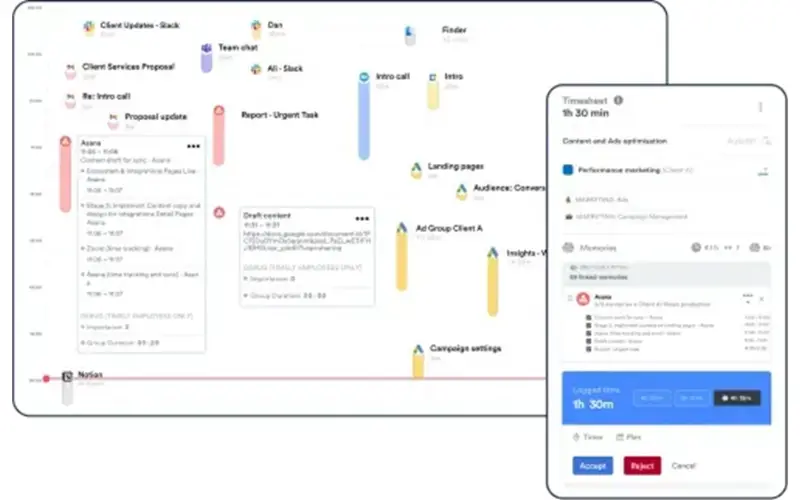
In summary, utilizing time tracking software is a transformative approach to improving workflow and productivity. By understanding the metrics provided by these tools, teams can identify areas for improvement, encourage accountability, and foster a culture of efficient time management. As we look to the future, embracing the advancements in time tracking technology will undoubtedly play a crucial role in evolving our work environments.